
Selling a condemned house in Texas can seem like navigating a maze of bureaucracy uncovering repair costs and deciphering the language of the real estate world. It’s a process that can be overwhelming for experienced homeowners. But don’t worry this guide is here to help you find your way shedding light on the path to a stress sale even if your property is condemned. We’ll cover topics such as understanding the condemnation process and interacting with government and authorities, potential issues like code violations and structural damage, and how to negotiate with different types of buyers including real estate investors and cash buyers. Whether you’re dealing with mold problems facing foreclosure or liens or simply want to sell your house as is, this detailed guide will assist you in navigating the real estate market effectively and selling your condemned property efficiently.
What Does Condemned House Mean
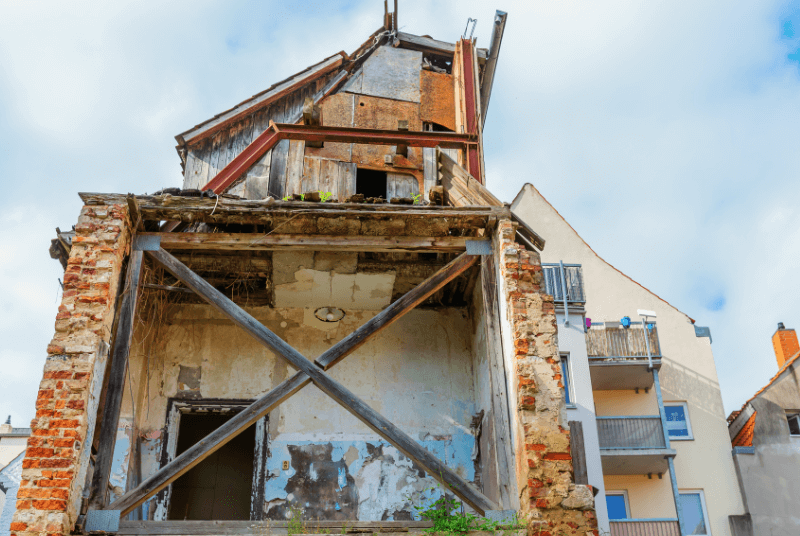
A condemned house is a property that has been deemed unsuitable for use or living by the government authority. Typically this designation results from violations of building codes or significant structural damage that renders the property unsafe. Common reasons for a house being condemned include black mold infestations, dangerous electrical systems, or extensive disrepair caused by neglect.
Local authorities have the ability to use the act of eminent domain to make homeowners leave if urgent repairs are not made. It’s important to note that a condemned home is different from a fixer-upper which may need renovations but is still safe for living. Dealing with a condemned property presents challenges that homeowners must grasp and manage effectively.
How Is A House Condemned?
A house is deemed condemned by the government when it’s determined unfit for living. The process of condemnation typically starts with an investigation triggered by a complaint or during a check by officials. These authorities can condemn properties that violate building codes, pose safety risks, or have issues. Examples of problems that can lead to condemnation include black mold infestations, dangerous electrical wiring, or structural deterioration due to neglect or natural disasters. Once identified homeowners are usually given a deadline to address the violations. If the necessary repairs are not completed within this period the local government can issue a condemnation order mandating evacuation. This order often prohibits reentry until the issues are fixed.
Once a property is deemed unfit, for habitation homeowners may face increased repair expenses and more involvement with government agencies adding stress to the situation.
What Happens To A Condemned House
When a house is condemned the outcome can vary based on the homeowner’s actions and local government decisions.
If homeowners can cover the needed repairs and ensure they comply with building codes the condemned status of the house may be lifted, allowing it to be lived in again. This process typically involves inspections by authorities to address any safety or health concerns.
In cases where repairs are unaffordable, the local government might take possession of the property through domain. They could then sell it at auction, demolish the structure, or repurpose the land for use.
Alternatively, a condemned house might attract interest from real estate investors or companies specializing in purchasing properties. These buyers often make cash offers for the property, in its state taking on any required repairs or demolition work.
A foreclosure could be an outcome if the homeowner can’t keep up with mortgage payments due to the strain of repairs. In such a scenario the mortgage lenders might take possession of the house.
It’s important to bear in mind that selling a condemned house quickly can alleviate stress for the homeowner. It could lead to a sale price below market value. Homeowners should weigh these factors carefully. Seek advice from a real estate investor or agent before reaching a decision.
Can You Live In A Condemned House
Typically living in a condemned house is prohibited by law. When a property is condemned it’s usually because of safety and health issues, like damage, infestations, or toxic mold that render the dwelling uninhabitable. In instances, local government bodies often issue a condemnation notice requiring evacuation of the premises. The property must then remain unoccupied until all necessary repairs are completed and approved by authorities.
If the homeowner disregards this directive and continues residing in the condemned property they could face penalties including fines or even incarceration based on local regulations.
It’s worth mentioning that most utility companies won’t provide services to a condemned property leaving it without utilities, like electricity, gas, or water. This underscores the fact that living in a condemned home is not against the law but it poses potential risks.
To sum up, despite any value a homeowner may have for their property residing in a condemned house is not a safe choice. Instead, property owners should focus on resolving the condemnation status either by making improvements or exploring options like selling the house ‘as is’ to cash buyers or real estate investors.
Can You Sell A Condemned House?
Absolutely! Selling a condemned house is indeed possible. Even if a property has been condemned, homeowners still retain their ownership rights. However, selling such a property involves complexities compared to a real estate transaction. It’s important to note that only a specific group of buyers typically show interest in purchasing properties.
Potential buyers often include real estate investors or renovators seeking properties at discounted rates that they can revamp and resell for profit. Another group comprises cash buyers who can facilitate sales without the complications of financing or closing processes.
A homeowner might also think about selling the property “ass ” where the buyer agrees to handle the repairs. In these situations, the selling price is usually lower than the market value taking into account the costs of fixing code violations or structural issues that caused the property to be condemned.
It’s important to understand that local government agencies and building codes play a role in this process. Homeowners typically require approval from authorities or a government agency to sell a condemned property ensuring that future renovations can be safely carried out by the owner.
Despite the difficulties involved selling a condemned house can offer homeowners a way to navigate through hurdles and prevent foreclosure. The key to navigating this process lies in comprehending laws exploring available options and seeking expert advice from an experienced cash homebuyer or real estate agent.
Can You Fix A Condemned House
Certainly, it is possible to repair a condemned house depending on the severity of violations and the financial resources of the homeowner. The initial step involves understanding why the house was condemned in the place. Common reasons may include damage, pest infestations, or hazards, like black mold.
Once homeowners have identified the issues they need to reach out to authorities for guidance on the repairs needed to address the condemnation notice. This could involve tasks like strengthening the structure, fixing plumbing or electrical systems, or dealing with pest infestations or hazardous materials. All repairs must comply with building codes. Usually requires inspection and approval from a government agency.
The expenses associated with these repairs can be significant so homeowners should carefully assess their situation. Weigh the potential benefits. Seeking advice from a real estate expert or agent may help in estimating the renovation market value of the property.
For those homeowners carrying out the required repairs it is possible to transform a condemned property into a residence or an asset ready for sale. However, this endeavor demands investments of time, money, and patience. Alternatively for those who’re unable or unwilling to oversee this process selling the property as ‘s to real estate investors, house flippers or cash buyers remains a feasible choice.
It’s important to recognize that there is no answer, on whether fixing a condemned house is the right decision.
Every situation is different. The choice should depend on factors such as repair costs, potential selling price, and the homeowner’s circumstances and objectives.

Tips For Selling A Condemned House
Navigating the process of selling a condemned property can be difficult. Not impossible. By employing strategies and insights homeowners can transform what seems like a scenario into a beneficial one. In the sections, we will discuss tips that can assist in this process alleviate complications, and potentially secure a reasonable financial offer. Whether your aim is to avoid foreclosure, clear liens, or transition to a residence these approaches can be advantageous. Let’s uncover ways to effectively manage the condemnation process reduce stress and ultimately sell your condemned property as swiftly as possible.
Make Major Repairs
If your financial circumstances permit undertaking repairs on your condemned property can significantly enhance its market value making it more attractive to buyers. Structural issues like foundation problems, roof damage, and severe plumbing or electrical issues are often the reasons, for a property being condemned. Addressing these concerns has the potential to lift this designation.
Moreover, it’s important to tackle any health risks, like mold or pest issues to ensure the home is suitable for living. However, it’s good to note that such renovations can be expensive and time-consuming. Before you begin it’s smart to seek advice from authorities or a reliable real estate expert to grasp the building regulations and prevent any violations of codes.
Additionally, keep in mind that lenders may be hesitant to finance properties requiring repairs so opting for cash buyers or house flippers could be the route for a sale. If the repair expenses surpass the profit selling the home as ‘s might be a more practical choice. Whether you opt for repairs or selling as-is, being aware of your property’s issues and potential solutions can facilitate a sales process.
Redecorate Your House
Revamping your home could also be a strategy to enhance its attractiveness to buyers. A fresh paint job, updated fixtures or simply decluttering can breathe life into your property and make it more appealing, to prospective buyers. Nonetheless, it’s crucial to steer off personal or extravagant decor selections as they may not resonate with everyone.
When redecorating, opt, for colors. Designs that have broad appeal to attract a diverse group of potential buyers. The key is to highlight the features of your home and create a space that prospective buyers can easily see themselves living in. This approach can showcase your home in the light potentially boosting its market value. However, it’s crucial to weigh the costs and practicality of redecorating especially if you’re dealing with a property that needs repairs or renovations.
Sell To Cash Home Buyers
Consider selling your home to cash buyers if it’s been condemned. These investors are interested in buying properties “as ‘s” meaning they’re willing to tackle any issues, pest problems, or other concerns that led to the property’s condemnation. They take on the responsibility of fixing up the property and addressing any building code violations, with authorities.
One major benefit of selling to cash buyers is the turnaround time. Traditional home sales can drag on for months particularly when dealing with a condemned property—adding layers of complexity to a situation.
Cash purchasers however have the advantage of being able to finalize the transaction within days. This can be crucial if you are in need of selling your home fast in Arlington or if you are facing difficulties with mortgage payments and the looming threat of foreclosure.
It is important to consider that although cash buyers may offer less than the market value you will typically avoid expenses such as closing costs, realtor fees, and the time and effort involved in renovations. When determining if this approach is suitable for your situation it is essential to take these factors into account.Before accepting a cash offer make sure to conduct research. Seek out buyers that are often promoted as ‘We Buy Houses in Fort Worth‘ companies and have reviews along with a history of fair transactions. By doing so you can minimize stress when navigating the sale of your property.
Conclusion
Selling a property may appear overwhelming and intricate due to procedures and potential challenges. Nevertheless, there are solutions to assist homeowners in managing this tough scenario. Choosing a cash home buyer, like Southern Hills Home Buyers is one option that can offer a hassle-free resolution.
This particular route usually avoids a lot of the inconveniences linked with home sales like interacting with real estate agents, managing renovations, and going through the lengthy process of finding potential buyers. Although the selling price might be lower, the time and stress saved often make up for it for homeowners. It’s important to keep in mind that each situation is unique and the choice should be based on your circumstances and requirements. By conducting research and considering all possibilities you can effectively maneuver through the challenges of selling a condemned property.