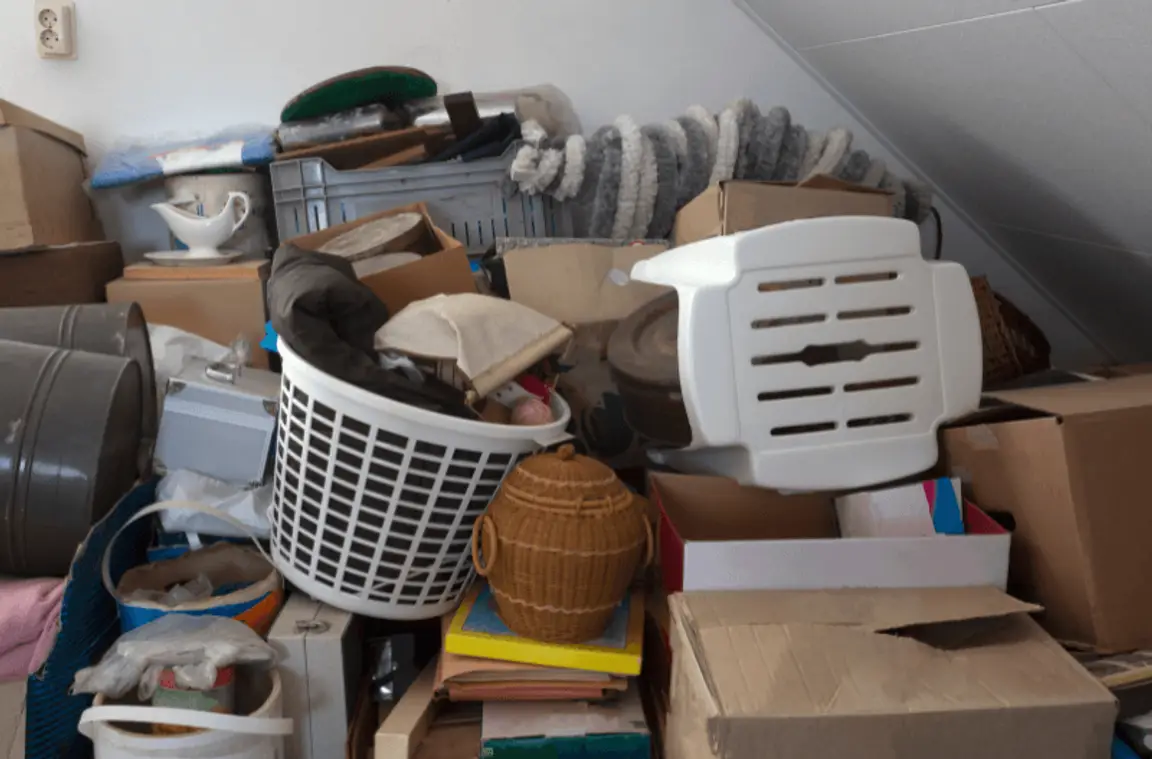

Plenty of sellers think listing a hoarder house works like listing any other house. Price it, shoot the photos, post it on the MLS, and wait for offers. What happens instead is that agents balk. Buyers walk through once and ghost. The property sits for months collecting carrying costs, sometimes six months or more, while the seller wonders what went wrong.
Selling a hoarder house in Texas is a real estate problem and a logistics problem at the same time. Sometimes it’s a grief problem too. Getting the path right from the beginning saves you money, time, and a lot of avoidable stress, especially when family members disagree about direction.
What Sellers Usually Get Wrong Before They Even List
Most sellers misjudge how differently buyers and lenders treat these properties. That’s the mistake I run into most. A conventional buyer walking through a home stacked floor to ceiling with newspapers, pet waste, and broken furniture isn’t just uncomfortable. Their lender may refuse to fund the loan once the appraiser flags structural access issues or health hazards. Appraisers document everything they can’t safely reach. That ends it, no matter how motivated the buyer is.
I bought a house in Mesquite last year, east of Dallas, that a landlord had already tried to list twice with two different agents. Both listings expired without a single offer. He’d owned it for years and the rent rolls looked fine on paper. His tenant had been quietly hoarding the whole time. By the time the lease ended, the garage was sealed off and the floors in the back two bedrooms had taken water damage hidden under years of piled belongings. No retail buyer wanted the house. We closed in under three weeks and he finally moved on. It’s a pattern I see more often than most people working in conventional real estate would admit.
The Texas market right now isn’t doing sellers of distressed properties any favors. Redfin’s March 2026 data puts the Texas median sale price at $341,800, down 1.8% year over year. In a softening market, buyers have options. A hoarder house competing against move-in-ready inventory is fighting uphill on every front.
What Is a Hoarder House and Why Is It Hard to Sell in Texas?
Not every cluttered house qualifies, and the distinction changes how you price and market the property. True hoarding disorder, recognized clinically, produces conditions well past messy. About 2.5 percent of Americans have hoarding disorder, which puts thousands of Texas residents in this exact spot. Inside a home, that ranges from floor-to-ceiling stacks of paper and objects to properties with animal waste, mold, and compromised structural access. Sometimes all three at once. The clinical label matters less than what a lender sees.
Buyers hit a wall with these homes for concrete reasons. FHA and VA loans require the home to meet minimum property standards, and a severely hoarded house almost never does. Conventional lenders usually follow the same logic. So a buyer who genuinely wants the property can still find that no bank will touch it in its current condition. Your pool shrinks fast, down to cash buyers and local investors.

Photography is the second wall. A real estate agent can’t market what they can’t photograph. Even a creative agent working around the clutter ends up with photos showing compromised rooms or visible biohazard conditions, and those photos push buyers away before anyone schedules a showing.
Humidity makes mold one of the most common hidden problems in hoarder homes. Selling a house with mold in Texas carries its own rules. Across Dallas County and Tarrant County, from Garland to Mansfield, summer moisture works into any home where ventilation stays blocked. Hoarding blocks it fast. By the time a hoarded house reaches the market, mold isn’t a maybe. It’s a question of where and how bad.
Is It Worth Selling a Hoarder House in Texas?
One fact rarely makes it into these talks with sellers. The home doesn’t have to be cleaned out for you to get a real offer. Cash buyers and real estate investors price the property on what it’ll be worth after they put their own money into it, not on the condition it’s in today. Your cleanup cost gets folded into the offer, not piled on top of it. Nobody expects the home to be empty.
Sellers keep asking whether to sell at all. That isn’t the real question. The real question is whether to clean first or sell as-is, because those two paths carry completely different costs and timelines.
Texas market conditions right now reward sellers who can offer speed and certainty. Homes that sold in November 2025 took an average of 72 days. Unsold inventory sat at an average of 103 days. A hoarder house listed with a traditional agent and no remediation is almost certainly landing in that second bucket. Picture a seller already covering property taxes, utilities, and insurance on a house nobody can live in or rent. That’s three or four extra months of expense stacked on the cleanup bill they were already dreading.
Teams like Southern Hills Home Buyers work with Texas homeowners in exactly this situation. No cleanup requirement, no showings, no waiting on a lender to approve financing. A direct sale isn’t right for every situation. For a seller who can’t manage a full cleanout, or who owns a property in serious disrepair, it’s worth understanding how Southern Hills Home Buyers buys homes before deciding anything.
What Are the True Costs of Selling a Hoarder House in Texas?
Sellers who miscalculate the costs on the cleanup-and-list path often end up spending more than they ever recover by taking it. The numbers break down like this.
A moderate professional cleanout on a 1,500 to 2,000 square foot Texas home generally runs between $3,000 and $10,000. Severe cases involving biohazard conditions, animal waste, or decomposition can push past $25,000. Most hoarder cleanout companies bill by the labor hour. A single 30-yard dumpster runs $400 to $700 in the big Texas metros, and a serious cleanout often needs three to six of them.

When mold enters the picture, the bill climbs on its own track. Texas Department of Licensing and Regulation rules require a licensed mold remediation contractor once the affected area exceeds 25 contiguous square feet. Costs typically run $15 to $30 per square foot of affected area, with a $2,000 minimum at most companies. That minimum hits fast.
After cleanup comes repair. Years of blocked ventilation, pet damage, and deferred maintenance usually mean electrical trouble, plumbing problems, and HVAC work. Structural repairs, electrical systems, and plumbing replacement on a badly neglected home can add another $15,000 to $50,000 before a contractor even looks at cosmetic work. Set that against the current buyer’s market, where Texas sellers are already handing over concessions averaging more than $17,000 on ordinary homes, and the cleanup-and-list math gets uncomfortable.
Selling as-is to a direct buyer skips all of it. Total up the cleanup, the repairs, the carrying costs, and the agent commissions, and the offer starts to make sense against the property’s actual condition.
Should You Clean Out and Redecorate Before Selling a Hoarder House?
What makes financial sense when the cleanup bill could run past whatever a higher sale price would bring in?
This is where most advice goes wrong. Your answer rests on three things: how far gone the property is, and what the after-repair value looks like in that specific Texas submarket. The third is whether you’ve got the cash and the calendar to front a remediation project.
For a home in Frisco, or on the older streets in Plano where sale prices support the investment, a full cleanout plus targeted updates can pencil out. The structure has to be sound and the damage mostly cosmetic. Where the ceiling price sits barely above the median, spending $40,000 on cleanout and repairs to gain $30,000 in sale price isn’t a strategy for that property. It’s a loss.
One pattern shows up again and again. Families inherit a hoarder house and assume everything has to be fixed before they can sell. They spend months managing contractors from out of state. Then they net less than a straight as-is cash offer would have paid, once carrying costs are counted. Walk the property with a contractor and price the actual repairs first. That’s the only honest way to know which path fits.
How to Create a Manageable Plan of Attack for a Hoarder House Cleanout
For years I assumed the hardest part of a hoarder house cleanout was the physical labor. It isn’t. Deciding what goes and what stays is harder, especially when the property belonged to someone the family loved.
If a cleanout does make sense, work in zones instead of attacking the whole house at once. Start with the room carrying the least emotional weight, usually a garage or utility space. Tools and boxes are easier than photo albums. Momentum built there carries the family through the bedrooms later.
Hire a cleanout crew with real experience in hoarding situations, not a general junk removal service. Good crews sort the pile by hand. They spot items with value, and estate sale companies working alongside them means what looks like trash sometimes funds part of the cleanout. They also route biohazard material through proper licensed disposal channels. I’ve watched that mix save families a serious chunk of the total cleanup cost.
Photo-document the whole property before anything leaves. That record protects you on disclosure and fixes the home’s condition at the time of sale. Keep receipts for all the remediation work. Since January 2025, the TREC Seller’s Disclosure Notice has included a mold remediation disclosure requirement, so a documented remediation history is something you’ll need no matter how you sell.
Set realistic timelines and share them with the family. A severe case with full remediation can stretch past two weeks of active work, and that’s before a single cosmetic repair starts.
Legal and Disclosure Requirements for Distressed Properties in Texas
A seller I know tried to list a heavily damaged property without disclosing how far the mold ran behind the walls. The buyer’s inspector found it anyway. The closing collapsed, and the seller spent months dealing with the fallout. That situation plays out regularly, and the legal exposure is real.
Texas seller disclosure requirements sit in Texas Property Code Section 5.008, which requires sellers of residential property to deliver a written Seller’s Disclosure Notice to the buyer before closing. That notice covers structural condition, environmental hazards, flooding history, and material facts about the property. There’s no way around it if you’re selling.
There’s a stubborn myth among sellers, and some agents and brokers too, that offering a property as-is wipes out any duty to disclose known condition problems. Selling as-is means the buyer accepts the condition. It does not hand the seller permission to hide what they know. Conceal a known defect in the property and the buyer can sue after closing for misrepresentation or Texas Deceptive Trade Practices Act violations. Damages can triple where the fraud was knowing. That reading of as-is has burned sellers before.

For a seller taking the direct cash buyer route through a company like Southern Hills Home Buyers, disclosure is still required. The transaction is far less likely to fall apart mid-stream, though, because cash buyers run their own assessments and don’t lean on lender appraisals or third-party inspection contingencies. You disclose honestly, the buyer prices accordingly, and the sale moves forward without the haggling that drags traditional closings out for weeks.
Probate situations add another layer. If the property is part of an estate, the executor may need a court order to sell, depending on the type of probate proceeding involved. Your probate attorney, not a real estate agent, is the right person to confirm what authority you have to sign a contract.
How to Find the Right Buyers for a Hoarder House in Texas
A couple reached out after three years of trying to manage a rental property in Garland following a family member’s death. The tenant living there before the death had left the home in severe condition. Neither of them had ever wanted to be a landlord. By the time they called, one cash offer had already fallen through and two conversations with traditional agents had gone nowhere. More listings weren’t the answer. They needed a buyer who understood what they were selling.
Buyers for hoarder houses sort into a few groups. Retail buyers using financing are almost always the wrong fit. Fix-and-flip investors with cash come closer, but they negotiate hard on margin, especially in a market where construction costs have stayed high across the Dallas-Fort Worth Metroplex and out toward Houston.
Local cash home buyers in Arlington and across the Metroplex who specialize in distressed properties, hoarding situations included, usually run the most efficient path. They’ve seen the condition before, and worse situations too. Three weeks of getting comfortable with a property isn’t necessary. They close on the seller’s timeline rather than a lender’s, and that works.
Southern Hills Home Buyers buys houses across Texas whatever condition they’re in. No repairs, no cleaning, no showings. If you own a house in Tarrant County or Collin County and want to know what a direct offer looks like on your property, reaching out costs nothing and takes about ten minutes.
How to Sell a Hoarder House on the MLS Vs. Direct Sale in Texas
That Garland situation points to something worth addressing directly. Not every seller who wants to try the MLS is making a mistake. Some properties are sound enough that a traditional sale, even with long days on market, nets more than a direct offer. The math only works once you’re honest about every variable.
Listing on the MLS with an agent gets you the widest pool of buyers. The trade-off is time, condition requirements, and the near-certainty that a heavily hoarded property either sits unsold for months or draws low offers after repeated price cuts. In March 2025, 64.7 percent of Texas home sales saw price reductions of at least $5,000. That figure covers all residential property, not just distressed. A hoarder house without remediation starts from a deeper hole, which in my experience means the seller nets less than a direct sale would have paid. That is not a theory. It is what the numbers keep showing.
A direct cash sale to an investor, or to a company like Southern Hills Home Buyers, moves faster and asks for no condition improvements. It also removes the risk of a buyer’s financing collapsing two weeks before closing. The offer reflects the property’s current state. So will any honest MLS price once the market has spoken. Most sellers find the direct path closes in one to three weeks instead of the three to five months a distressed listing can realistically take.
Both paths can work, depending on your situation. A seller with the cash, the timeline, and the stomach to manage a full cleanout and renovation before listing may come out ahead on price. Everyone else, especially anyone managing a property from across the state, sorting out an estate, or just done with the whole situation, should know that a direct sale isn’t giving up. It’s a clear-eyed business decision.
Frequently Asked Questions
What Is the Best Way to Sell a Hoarder House?
The right path depends on the property’s condition and your timeline. If the damage is mostly cosmetic and you have funds for a full cleanout plus repairs, a traditional listing may net you more on price. If the property carries biohazard conditions, mold, or structural concerns, a direct as-is sale to a cash buyer usually wins. Same goes if you’re running an estate from out of state. It tends to be faster and more predictable for the seller once you count the costs you’re skipping.
How to Sell a House Full of Clutter?
You don’t have to empty it first. Cash buyers and real estate investors in Texas buy properties in as-is condition, contents and all. You keep what you want, leave the rest, and the buyer handles disposal. Selling through an agent on the MLS is different. The house will generally need to be cleared and cleaned before it goes up. Get bids from professional cleanout crews before you commit to selling that way, since costs swing hard with severity.
What Should I Do If I Inherit a Hoarder House?
Start with an honest read on the property’s physical condition before you decide whether to sell. Hire a contractor for a repair estimate, not a cleanup company, because you need to know what’s hiding under the clutter before you set a cleanup budget. If the property is in probate, confirm with your attorney what authority you actually have before signing. Once the real numbers are in front of you, compare a direct cash sale against the cleanup-and-list path. Look hard at carrying costs, taxes, and how long you’re realistically willing to run the process.
What Is the Hardest Month to Sell a House in Texas?
January tends to be the slowest month for Texas home sales, with lower buyer activity and fewer transactions statewide. For a distressed property like a hoarder house, though, the season matters far less than condition. A severely hoarded property will struggle to find retail buyers in any month. If speed and certainty beat maximum list price for you, a direct cash sale takes the calendar out of it.
If you want to talk through your options on a Texas hoarder house, we’re here. No pressure, no obligation. Maybe you’re sorting out an inherited house in Denton. Maybe you’re managing a rental property gone sideways in Irving, or you’re simply ready to be done with a house that’s been weighing on you. Either way, reach out to the team at Southern Hills Home Buyers and get a clear picture of what your options really are. We’re cash home buyers across the Metroplex, and we buy houses in Fort Worth too, so help is close by.