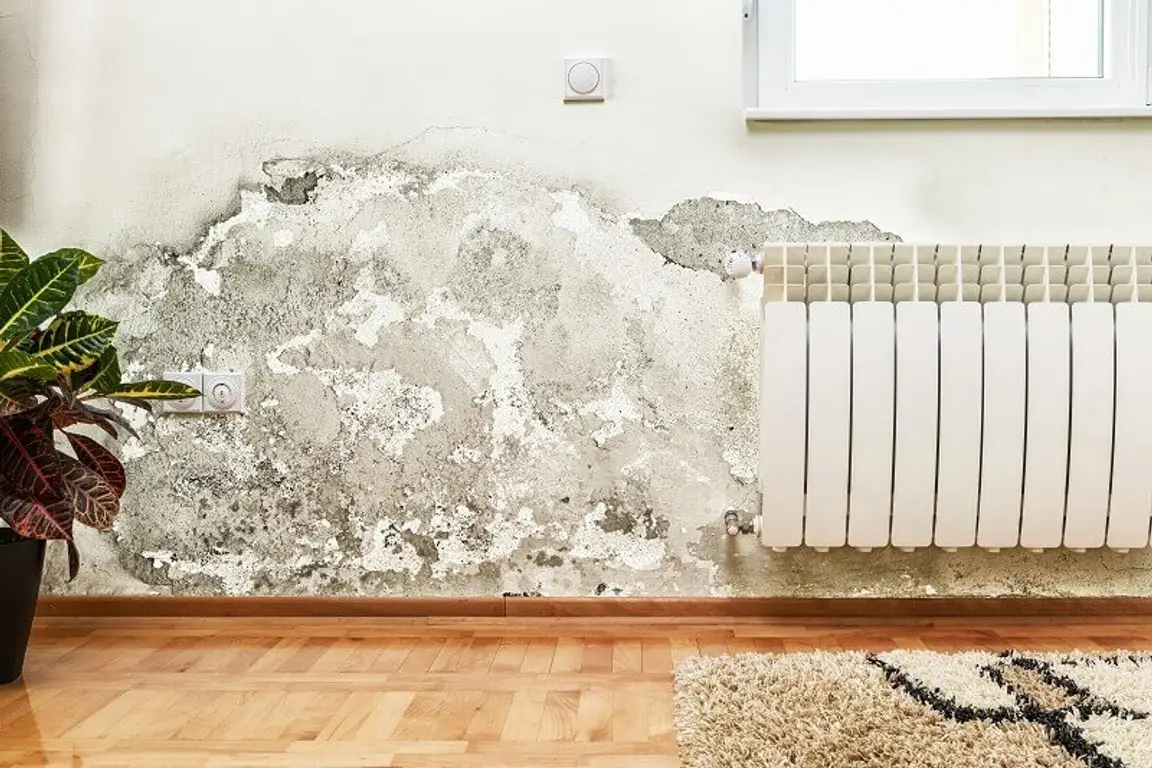

A seller in Mesquite called me on a Tuesday, sounding somewhere between frustrated and defeated. Her mother had just moved into an assisted living facility over in Plano. The family house sat empty for months after that. Then a plumber went in to check a dripping pipe under the kitchen sink. He found mold climbing the cabinet wall, and he’d already spotted more in the laundry room. She hadn’t listed the home yet. What Texas law required, she had no idea. And she was convinced the whole thing would cost her every dollar of equity she’d built up.
It didn’t. Getting there took a few pieces of information she didn’t have yet, and they’re all worth walking through before you list anything.
Do You Have to Tell Buyers About Mold When Selling a House in Texas?
Homes in Texas sold for a median price of $347,911 in June 2026. Buyers have more choices and more leverage than they did two years ago. In that kind of market, any surprise turning up during inspection will cost you. Mold is one of the biggest surprises. And yes, you’re required to tell them about it.
In Texas, seller disclosure runs through Texas Property Code Section 5.008. That statute requires sellers of residential property with one to four units to hand the buyer a written Seller’s Disclosure Notice before closing. It’s not optional. It isn’t a courtesy either. Skip it, or give a vague answer on the form, and you carry legal risk that won’t vanish the day the deed transfers.
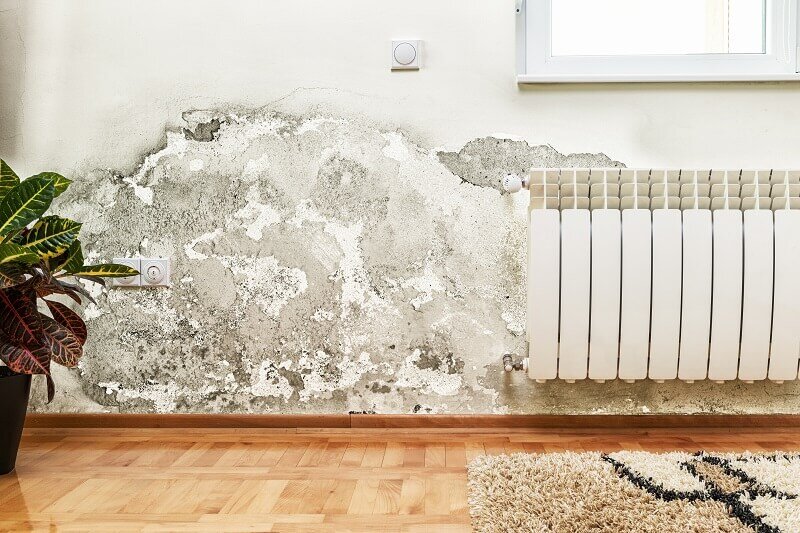
The Texas Real Estate Commission’s Seller’s Disclosure Notice asks about water damage, water penetration, and toxic mold. Any mold in your home, active or already remediated, has to be disclosed under Texas mold law.
Back to that Mesquite family for a second. They hadn’t lived in the house for months. When we walked through, we found moisture damage in the laundry room and mold behind the washer connection. Disclosing it, they figured, would tank the sale. What actually happened was quieter: we had the scope assessed, we disclosed everything, and the transaction moved forward cleanly. Transparency is almost always the cheaper path.
Mold can lower a home’s value by 20 to 37 percent, so hiding it is the wrong instinct. Handle it correctly instead. Buyers who know what they’re facing can make an informed decision, and the ones left guessing tend to walk away or hammer you on price.
What Are the Mold Disclosure Laws in Texas?
Did that remediation job years ago just become something you’re legally required to disclose? As of January 2025, yes. Sellers must disclose mold remediation from the past five years under Paragraph 6E(11) of the updated Seller’s Disclosure Notice. That’s a new line item, not something buried in a vague water damage question. Texas made it explicit.
Under Texas Occupations Code Section 1958.154, a seller must give the buyer a copy of any Certificate of Mold Remediation issued for the property in the five years before the sale. A licensed remediation contractor generates that certificate once the work is complete. Had the work done and still have the certificate? Hand it over. Had the work done and can’t find the paperwork? Solve that before you list.
Mold remediation professionals in Texas must be licensed by the Texas Department of Licensing and Regulation (TDLR). Bring in a mold assessment consultant to evaluate your home, and you have to hire a different company for the remediation, which avoids a conflict of interest. Two separate companies. Two separate roles. That line is drawn clearly in Texas, and it matters when you’re building a paper trail for your disclosure.
Exemptions to the disclosure requirement cover foreclosures, court-ordered sales, and transfers between family members or co-owners. Outside those narrow situations, disclosure is a legal obligation. Complicated histories make it trickier. The team at Southern Hills Home Buyers can walk you through how the rules apply when a property has a complicated past.
What Counts as Required Disclosure When Selling a House with Mold?
A seller in Garland had patched a bathroom ceiling after a roof leak three years earlier. She’d hired a handyman rather than a licensed contractor, and no paperwork existed. No permit, no invoice, nothing. Whether she had to disclose the work, or what the handyman found, she genuinely didn’t know.
She needed to disclose both, as it turns out.
Under Texas Property Code Section 5.008, a seller has to reveal any known issue, past mold and remediation efforts included. The question is whether the seller knew, or reasonably should have known. “I never had it professionally tested” won’t insulate you from liability if you saw visible mold, black or green or otherwise, and said nothing.
Past water damage has to be stated, along with whether it was adequately remediated. Moisture history matters too. A roof leak, a burst pipe, a slow drip behind the washing machine: all of it creates conditions buyers deserve to hear about, even if you never saw visible mold growth yourself.
Texas Property Code requires the seller to disclose “all known conditions that materially affect the physical condition of the property.” Broad standard, and mold growth sits squarely inside it. Leaving it off the form isn’t a gray area. Legal exposure from omission beats any stigma that comes with transparency.
What buyers and their agents will scrutinize: prior insurance claims for water damage, records of past plumbing repairs, and permits pulled for renovation work near bathrooms or the roof line. The Seller’s Disclosure Notice itself gets read closely too. Documentation ready before an inspector sets foot inside is the difference between a sale that moves forward and one that falls apart on contingency. Inspectors move fast once they’re in the door. You want to be ready before that.
What Happens If You Don’t Disclose Mold When Selling a House in Texas?
Some sellers figure the mold is minor, the buyer won’t notice, and everything will be fine after closing. That reasoning has cost people far more than any remediation job would have.
Failing to disclose mold can bring lawsuits, financial liability, and rescission of the sale. Rescission means the buyer legally unwinds the whole transaction. Every dollar you made goes back, plus legal fees on top. Real estate attorneys in Dallas and Fort Worth see these cases regularly. I’ve watched a closed house get pulled back into court over one undisclosed moisture issue in a garage.
Late or incomplete disclosures reopen the buyer’s termination window and stretch contingency timelines. That gives a buyer a clean exit from a contract you thought was locked.
If a buyer prevails in a lawsuit, the seller may be required to pay that buyer’s legal fees along with other damages. Add any remediation or repair costs the court decides to award. By then the cost of dodging disclosure has eclipsed what a proper mold inspection and an honest listing would have cost you at the start.
For sellers in Fort Worth with a complicated property history, a real estate attorney review before listing is money well spent. It also gives you something to point at later if a dispute surfaces.
How Much Does Mold Remediation Cost in Texas?
Skipping the inspection and guessing at the scope is where sellers lose the most money. Remediation isn’t a flat fee. The number depends on where the mold sits, how far it’s spread, and what’s in its path. Two jobs with the same square footage can land miles apart.
Mold remediation costs average $2,025 in Houston, with most homeowners spending between $888 and $3,298, though costs can exceed $20,000 for whole-home damage. Dallas averages around $2,336, with a typical range of $1,366 to $3,480. Austin runs higher. The average remediation cost there is $3,509, ranging from $1,433 to $6,000 or more in a tighter labor market.
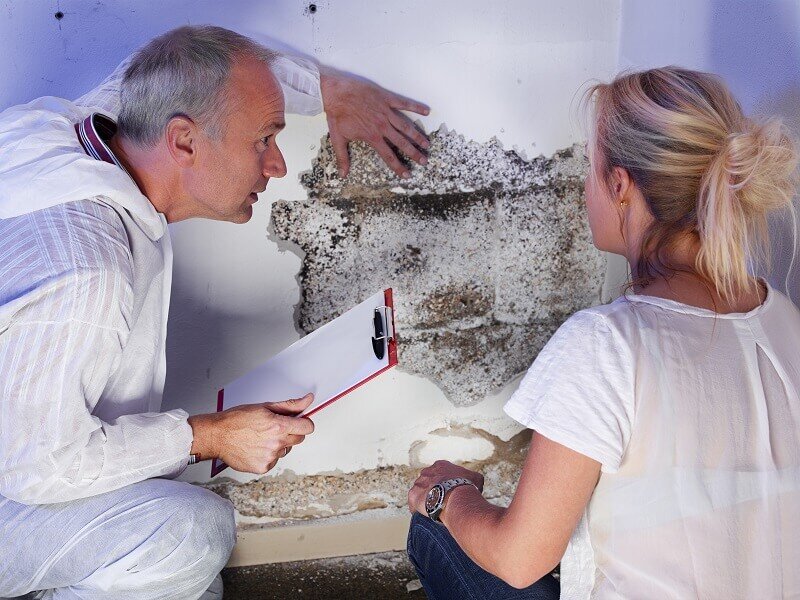
Finished wall cavities and an HVAC system harboring mold cost more than surface mold in a bathroom. The contractor has to open the structure, contain the area, pull out contaminated material, treat the framing, and rebuild before the post-remediation test. Containment alone can add days to the schedule. A job that looks minor from the outside can run several times what you budgeted.
A mold inspection before you commit to remediation is smart. Mold inspections in Texas typically cost between $200 and $600, depending on scope. That small upfront cost tells you whether the problem is localized or structural. It also keeps you from overpaying for remediation nobody actually needs.
One pattern shows up over and over. Sellers rush to hire the first remediation company that returns their call, skip the independent assessment, and end up with a bill far bigger than the problem warranted. Get the assessment first, from a separate company, then collect competing remediation estimates. Texas law requires that separation anyway.
Is Mold Remediation Worth It Before Selling Your Texas Home?
The plan sounds clean on paper: remediate, collect the certificate, relist, recover the cost in a higher sale price. Math doesn’t always cooperate with that plan.
In a market where the statewide average days on market rose to 67 days in 2025, sellers aren’t positioned to recapture every dollar of remediation costs through price. Buyers know they have time, and inventory is up. Many will negotiate anyway, even after remediation, because the mold history sits on the disclosure form and reads to them like a bargaining chip.
Remediation makes sense under specific conditions. The affected area is small and well-defined. Someone has already repaired the moisture source. The cost is modest against your expected sale price, and you have the budget and timeline to wait out the process. If you’re selling in Waxahachie on a tight timeline, remediation plus relisting means weeks off the market and money out of pocket before a single buyer makes an offer. That assumes the work passes inspection the first time.
Selling as-is to a direct buyer is worth running the numbers on before you commit to remediation. Southern Hills Home Buyers buys mold-affected properties in Texas as-is. No remediation expense, no contractor scheduling, no extended time on the market waiting for clearance testing. The offer reflects the condition, and so does the traditional path once buyers run their own inspection and start negotiating.
How to Work with a Real Estate Agent and Attorney on Mold Disclosure
Sit across the table from your agent and ask: have they sold a home with a mold disclosure before? You want a yes. Ask for a specific example rather than a general reassurance. An agent who’s never handled a mold situation won’t know how to price the home for it. They won’t know how to frame the disclosure honestly in the marketing, or how to manage a buyer’s reaction when the inspection report confirms what you already told them.
A real estate attorney’s role sits apart from the agent’s. The attorney reviews your disclosure for legal adequacy, weighs your personal liability against the property’s specific history, and can write a review letter that becomes part of your file. If a buyer later claims you concealed something, that file matters.
Agents sometimes push sellers to over-remediate before listing, since a clean property is easier to sell. That’s not always wrong. It does put the remediation cost on the seller with no guarantee the price will recover it. Push back and ask your agent to run the numbers: expected sale price after remediation against expected sale price as-is with full disclosure, minus remediation costs in the first case.
Mortgage lenders are another variable. Buyers using a conventional or FHA loan may run into appraisal or lending trouble if an inspector flags active mold growth. Some lenders won’t fund a mortgage on a property with unresolved mold, which narrows your buyer pool to cash buyers and people with alternative financing. That narrowing happens whatever you disclose, so know about it before you set your price.
Tips for Selling a House with Mold in Texas
One property came to us with mold in the garage ceiling from a slow roof leak, untreated through two Texas storm seasons. By the time an heir in Denton inherited the place, the wood framing was stained black. A musty smell hit you the moment the garage door opened. He’d never wanted to be a landlord, had no interest in managing contractors across town, and just needed it gone. Managing a rehab from another county wasn’t on his list.
Five things move the needle when you’re selling a mold-affected home in Texas:
Get a mold inspection before listing. This is what separates sellers who control the narrative from sellers who react to whatever an inspector turns up. Know your scope before a buyer’s inspector does.
Fix the moisture source, even if you don’t remediate the mold. A remediation company can strip out visible mold growth. If the leak or humidity problem behind it stays active, the mold comes back. Repairing the root cause costs far less than remediation and tells buyers the problem is resolved.
Price the property honestly. A mold-disclosed home priced as though nothing’s wrong will sit. Buyers aren’t blind, and agents will pull the disclosure on day one. Price it to the condition, give buyers room to factor in remediation, and real offers show up faster than they do if you anchor high and wait for a price cut.
Hold onto every document. A Certificate of Mold Remediation protects you at resale by proving the mold was handled professionally under state rules. Keep the inspection report, the remediation certificate, the contractor invoices, and any post-remediation clearance tests.
Your buyer options shape everything here. Traditional buyers with financing will face lender scrutiny on active mold. Cash investors and direct buyers won’t. If your timeline is short or your remediation costs are high, selling directly through Southern Hills Home Buyers may net you more. Add up agent commissions, remediation costs, extended carrying costs, and the price concessions buyers will demand on the open market anyway.
Frequently Asked Questions
Is It Hard to Sell a House with Mold?
Selling with mold is harder than selling a clean property, though far from impossible. The main obstacles are buyer hesitation, lender restrictions, and the disclosure stigma that sometimes shows up in offers. In severe cases mold can get a house condemned in Texas, which changes the picture entirely. Three things decide whether the process feels manageable or miserable. Pricing the home to its actual condition, having documentation in order, and knowing whether a direct sale or a traditional listing fits your timeline. Handle those three well and the rest tends to follow.
Do You Have to Disclose Mold Remediation When Selling a House in Texas?
Yes. As of January 2025, sellers in Texas must disclose any mold remediation from the past five years, under Paragraph 6E(11) of the Seller’s Disclosure Notice. State law also requires sellers to share any Certificates of Mold Remediation issued in the past five years. Remediation you paid for out of pocket, with no insurance claim, still has to be disclosed inside that window.
How Do You Prove a Seller Knew About Mold?
Buyers and their attorneys look at a handful of things. Prior insurance claims, inspection reports from before the sale, texts or emails mentioning water damage or odors, neighbor accounts, and the property’s permit history for plumbing and roofing repairs. Photographs with metadata timestamps have shown up in disputes too. The more visible the mold was, and the longer the property sat with it, the harder it gets to argue the seller had no idea.
Can You Be Sued If You Sell a House with Mold?
You can be sued, and Texas courts have ruled against sellers who failed to disclose known mold or water damage. The damages a buyer can pursue include the cost of remediation and the cost of repairs to structural damage. Add a reduction in property value, plus attorney’s fees if they prevail. Your best protection is a thorough, accurate disclosure at the time of sale, plus documentation showing remediation was done properly by a licensed Texas contractor.
Mold doesn’t have to end your sale or drain your savings. Talk through your options whenever you’re ready, whether that’s listing after remediation, selling as-is, or just working out what your property is worth in its current condition. No pressure, no obligation. Reach out to Southern Hills Home Buyers and let’s have a real conversation about what makes sense for you. We buy houses across Dallas-Fort Worth, so whether you need cash home buyers in Arlington or a company willing to take a mold-damaged house in Denton County off your hands, we can help. You don’t have to fix the house first.