
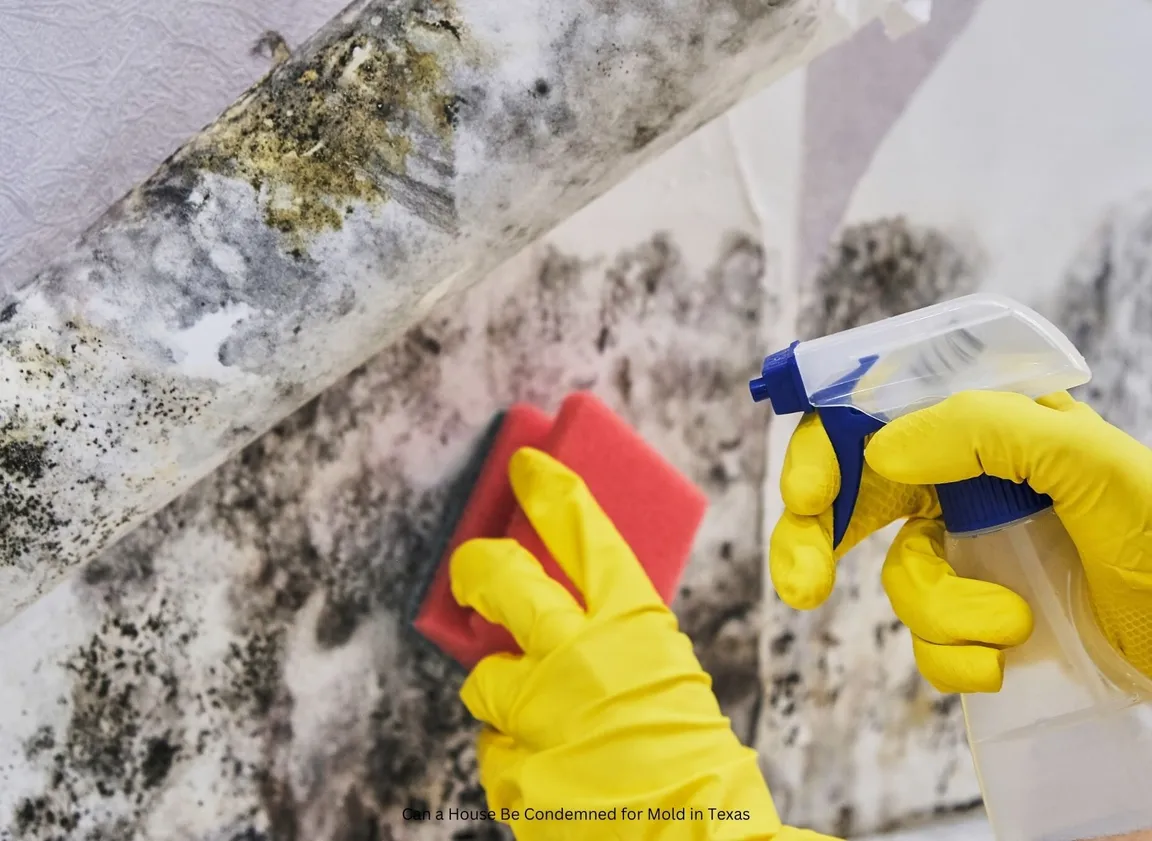
Somebody called me once from a duplex in Mesquite. The back bedroom ceiling had been soft for months. By the time she called, two walls were black and her daughter had been coughing since August. She didn’t know if she had rights. She didn’t know if the landlord could get away with ignoring her, or if the city could board the place up and make her leave. Those are real questions. They deserve real answers.
Does a Landlord Have to Remove Mold From a Rental Property in Texas?
Some landlords call mold a “maintenance issue” and point to a cleaning clause buried in the lease. That language doesn’t hold up. The Texas Property Code requires landlords to provide habitable housing. That means repairing or remedying conditions that “materially affect the physical health or safety of an ordinary tenant,” a phrase courts read broadly. Mold spreading through living space and setting off respiratory symptoms clears that bar without much argument.
No Texas law names mold specifically in the list of landlord duties, and that gap is where some landlords hide. Courts closed it anyway. Judges in Texas have repeatedly held that substantial mold growth falls under the habitability statute. It applies when the landlord knew or should have known about the underlying water source. Water-damage-indicator species like Stachybotrys and Chaetomium both thrive after a slow plumbing leak.
Responsibility usually follows the moisture. Landlords typically pay when leaks, plumbing failures, roof problems, or bad building ventilation caused the growth. The calculus shifts when the tenant caused the moisture. Then there’s a roof leak in Arlington, or a broken pipe in Oak Cliff that the landlord ignored for months. Who owns that outcome? The landlord does, full stop.
Do You Need a Property Inspection Before a Landlord Is Required to Cover Mold Removal?
Tenants often assume a formal mold inspection comes first, that some certified professional has to come out and put a number on the problem before the landlord owes a tenant anything. That assumption falls apart once you read the statute, which never asks for a lab report to establish a landlord’s duty to act.
Mold removal can be covered without an inspection when a court finds that the mold condition materially affects the physical health or safety of an ordinary tenant. A visible problem tied clearly to a water source, causing real symptoms, can trigger landlord responsibility with no formal testing at all. So a tenant doesn’t need a lab report to build a valid case.
That said, the repair-and-deduct remedy works differently. The appropriate local housing, building, or health official must give the landlord written notice. That notice has to say the mold condition materially affects the health or safety of an ordinary tenant. A city health inspector’s written finding earns its keep here, because it shifts the documentation burden off the tenant who wants to deduct costs from rent.
Mold covering 25 contiguous square feet or more requires licensed professionals under Texas law. So an inspection may not be legally required to trigger landlord duty, but bigger problems will need a licensed remediation contractor anyway.
How Much Time Does a Landlord Have to Remove Mold From an Apartment or House in Texas?
Miss this part and you can lose your leverage entirely. Tenants who skip proper written notice and just call to complain hand landlords a way out in court. The clock on a landlord’s response only starts after written notice is properly delivered, and certified mail closes that loophole.
Seven days is usually seen as a reasonable amount of time. A court can set a different amount, based on how easy it is to get workers, materials, or utilities. A landlord facing a massive freeze event across the DFW Metroplex might get more runway, since every contractor in the region is already booked solid. One sitting on a known mold problem in a Garland rental during normal conditions won’t.
Sending notice by certified mail, return receipt requested, gives you the best proof of delivery. This matters enormously if the case ever reaches a Justice of the Peace court. Without proof of delivery, the landlord’s attorney will argue the clock never started.
Exceptions apply if the damage was an insured casualty loss. The landlord then has a reasonable amount of time after receiving insurance proceeds to finish repairs. A fire or flood claim can push that repair window well past seven days. Confirm with your county’s code enforcement office whether your situation falls in that bucket before you assume a hard seven-day deadline.
What Can You Do If Your Landlord Refuses to Remove Mold From Your Home?
Tenants must be current on rent when they exercise repair rights, a point our guide to tenant rights leads with. That detail gets left out of most articles on the subject, and it costs people their legal footing. Keep rent current while you escalate unless a court, a local legal aid attorney, or a cited state procedure tells you otherwise, because improper withholding can trigger eviction (fast, in some jurisdictions).
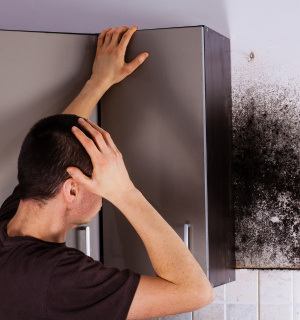
Once you’ve confirmed you’re current on rent and you’ve sent written notice, your options widen. You can end the lease and move out. You can sue the landlord, or hire a contractor to fix the mold and deduct the cost from your rent. Each path carries conditions, and repair-and-deduct is the narrowest of the three.
Your city matters here. Dallas County’s code enforcement office runs differently from Tarrant County’s or Collin County’s. Contacting your local agency directly gives you the clearest picture. The Texas Law Help guide on mold and renters’ rights walks through the procedural steps in plain language.
Tenants who believe high concentrations of mold have wrecked their health can seek damages in court. Say a judge or jury agrees the landlord negligently created or allowed a mold problem. Proving negligence is the hard part. Then the landlord could be on the hook for that harm.
Can You Reduce Your Rent If You Remove the Mold Yourself?
If you were sitting at my kitchen table, I’d put it this way. The repair-and-deduct remedy sounds great until you read the fine print, and the fine print is brutal.
Under the Texas Property Code, tenants might be able to eliminate mold and deduct the cost from rent. The problem must materially affect the physical health or safety of an ordinary tenant. The cost can’t exceed the greater of one month’s rent or $500 for non-subsidized rent. For any mold problem big enough to matter, that cap sits far too low. A licensed remediation contractor in the Dallas-Fort Worth area rarely works cheaply on anything meaningful. Repair-and-deduct looks better on paper than it performs in practice.
All individuals and companies performing mold assessment or remediation must be licensed with the Texas Department of Licensing and Regulation. You can’t hire your cousin with a shopvac and call it done. A Certificate of Mold Remediation has to reach the property owner within ten days of the work finishing. Keep that certificate with your closing docs.
This remedy isn’t recommended without legal advice, since improper use can bring penalties. Talk to a tenant attorney or reach out to Texas legal aid before you go down this road.
Can a House Be Condemned for Mold in Texas?
Mold alone rarely triggers condemnation. What condemns a house is mold so pervasive it proves the property is structurally compromised or poses an undeniable health threat that local code enforcement can no longer ignore.
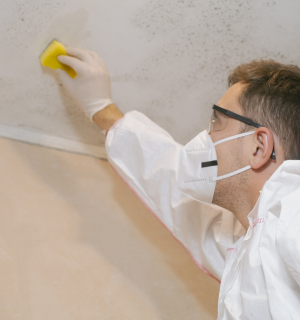
Under Texas mold laws, a house can be condemned and declared unfit for human habitation. That happens if mold poses a health risk or causes structural damage. Authorities don’t simply walk up and mark it condemned. There’s a process, and several factors and warnings over several months feed the decision.
In Texas, local authorities handle building code enforcement. A landlord in Waxahachie gets a written complaint and ignores it. A code inspector shows up. Still nothing gets done, and that landlord is walking toward the process. Once a property is condemned, living there is illegal, and you may face fines or legal action if caught.
For homeowners who get a condemnation notice, the market reality is tough. Redfin’s March 2026 data puts the Texas median sale price at $341,800, down 1.8% year over year. Selling a condemned or mold-damaged property through traditional channels is brutally hard. Most conventional buyers and their lenders won’t touch a property with open code violations. That’s where Southern Hills Home Buyers steps in. They buy properties as-is, mold and all, with no remediation before closing. Our guide on how to sell a condemned house walks through the process step by step.
What Should You Do If Hazardous Mold Has Harmed Your Health?
Your health comes first. If you feel your health has been harmed by hazardous mold exposure, talk to a personal injury lawyer right away. Texas courts recognize landlord liability for negligence when the owner knew about water intrusion and let it persist. Medical records, dated photos, written repair requests, and any note from a doctor tying your symptoms to the property all become evidence.
A licensed mold assessment consultant can document what’s present and how long it’s likely been growing. Licensed mold companies must carry at least $1 million in general liability insurance. A properly credentialed assessor hands you a professional report that carries weight in court or before a code enforcement board.
If anyone in the home has asthma, immune compromise, or severe symptoms, document that separately and ask legal aid about emergency remedies. Don’t assume the timeline for ordinary repairs applies when someone’s health is at serious risk. Courts can compress that window.
Southern Hills Home Buyers has worked with families caught in exactly this spot, from Irving out to Rockwall. Staying in the property is no longer safe. Remediation costs sit out of reach, and a fast, clean exit becomes the most humane outcome available.
Where Can You Find More Information About Renter’s Rights to Repairs in Texas?
The Texas Office of the Attorney General publishes mold remediation guidance. The TDLR consumer protection sheet for mold is one of the most practical documents available to Texas renters and property owners. Texas Law Help also keeps a plain-language FAQ on mold and renter rights. It covers repair procedures, certified mail requirements, and tenant remedies without the jargon.
With 141,519 active listings as of March 31, 2026, Texas is firmly a buyer’s market. Sellers with damaged or mold-affected properties face real headwinds on the open market. If the math on remediation doesn’t work, our walkthrough on what selling with mold really involves lays out the alternatives. Southern Hills Home Buyers offers a straightforward path. You get a fair cash offer on the property in its current condition, with no repairs, inspections, or listing delays required.
Frequently Asked Questions
Can You Live in a House with Mold and Be Fine?
It depends on the type and amount of mold present, and on whether anyone in the household has respiratory issues, allergies, or a compromised immune system. Small surface mold in a well-ventilated bathroom is a different animal from Stachybotrys spreading through drywall and insulation. If you’re unsure what you’re facing, a licensed Texas mold assessor can give you a professional opinion before you decide how seriously to treat it.
Does Homeowners Insurance Pay for Mold Removal in Texas?
Your insurance company may cover mold removal if it resulted directly from a covered loss, like a sudden pipe burst. Mold that grew from a slow leak over months is typically excluded. Insurers treat it as a maintenance failure rather than a sudden event. Read your policy carefully and contact your insurer in writing before any remediation work begins, since the order of operations matters for coverage.
Can You Sue for Mold Exposure in Texas?
Yes, you can file a lawsuit against a landlord who negligently allowed mold to grow and cause you harm. Texas courts have recognized landlord liability here. The test is whether a property owner knew or should have known about an underlying water source and left a tenant in it. Your strongest evidence will be dated written notices, medical records linking your symptoms to the exposure, and documentation showing the landlord received your complaints and did nothing.
Can I Sue If I Bought a House with Mold?
Texas requires sellers to disclose known mold on a property. If a seller concealed a mold problem they knew about, you may have grounds for a legal claim. Our breakdown of what Texas home sellers are required to disclose by law covers exactly what should have been on the form. Consulting a real estate attorney is the right first step, since the strength of your case depends on what was disclosed, what the seller demonstrably knew, and what your inspection revealed before closing. An attorney familiar with Texas property law can tell you quickly whether the facts support moving forward.
If you’re sitting on a mold-damaged property in Texas, the cost of fixing it may have already outrun what the house is worth. You’re not out of options. We’re here at Southern Hills Home Buyers to talk through what makes sense for your situation. No pressure, no obligation. Just a straight conversation about where you stand and what a fair cash offer might look like. Reach out to us any time, whether you’re in Plano, Garland, or looking for cash home buyers in Fort Worth.
Get Cash For Your Texas House Today
We buy houses in Texas without the hassle and red tape. Get your no-obligation cash offer for your home and just be done. Selling in as-is condition has never been easier.