![Can I sell my house but keep living there In [market_city]](https://image-cdn.carrot.com/eyJidWNrZXQiOiJwcm9kdWN0aW9uLmNhcnJvdC11cGxvYWRzLm9uY2Fycm90LmNvbSIsImtleSI6InVwbG9hZHMvc2l0ZXMvMjEyODQvMjAyNi8wOS9DYW4tSS1zZWxsLW15LWhvdXNlLWJ1dC1rZWVwLWxpdmluZy10aGVyZS5wbmciLCJlZGl0cyI6eyJyZXNpemUiOnsid2lkdGgiOjExNTJ9LCJ0b0Zvcm1hdCI6IndlYnAiLCJ3ZWJwIjp7InF1YWxpdHkiOjcwfX19)

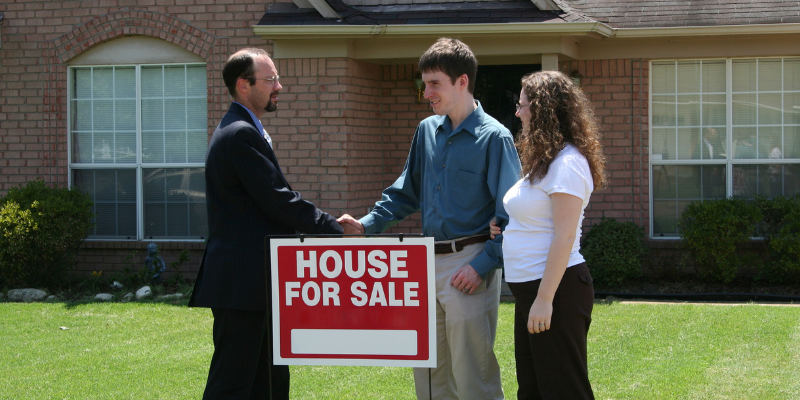
Most people assume selling a home and moving out happen on the same day. They don’t. A growing number of homeowners sell their properties, pocket their equity, and stay right where they are. Some stay a month, others stay years. So can I sell my house and still live in it? Yes, and nothing about it is shady or against the law. A few real setups can do it, and picking the one that fits your case keeps you out of a costly mistake.
Selling My House While Still Living in It
A seller in Garland reached out about a property she’d inherited from her mother. Two mortgage payments over seven months had drained her savings. She still needed time after closing to sort through decades of furniture and family belongings. Selling wasn’t the problem. Leaving was. We worked out a short-term setup that let her close fast, take the cash, and stay another six weeks while she wrapped things up. The furniture alone filled two rooms.
This comes up more often than most real estate articles admit. Sellers need room to move for plenty of reasons. Maybe a new home isn’t finished, or a job move isn’t final yet. Sometimes selling quickly just leaves someone needing a few weeks of breathing room. A short-term rent-back lets you stay 30 to 90 days after closing by paying daily rent to the buyer. A longer sale-leaseback with a company set up for it lets you stay on as a renter for a year or more. Which route fits depends on how long you need and why.
Homes are also sitting longer than they were earlier this summer. The median listing across the country spent 60 days on the market in August 2026, according to Realtor.com data. Two months sounds like plenty of runway. It isn’t, because your closing date lands whether your next address is settled or not. Work out your post-closing housing before you list. I’ve watched sellers scramble badly after skipping that step.
If you need to sell quickly but still need time to move, contact us for a cash offer. We can discuss your timeline and options without the pressure of a traditional sale.
What Is a Sell-and-stay or Sale-leaseback Strategy?

For years I thought of sale-leasebacks as a big-business tool, a way to free up capital tied up in office buildings and warehouses.
Home leasebacks run on the same logic, scaled down to regular owners. A leaseback, or sell-and-stay program, is a setup where an owner sells the property and then rents it back from the buyer. A sale-leaseback turns you from owner into renter in one transaction. The buyer, usually a real estate investor or a company built around this exact model, buys the home at an agreed price. You take a lump sum of cash at closing. Then you sign a lease and stay put.
It’s a different trade than a HELOC or a cash-out refinance. You’re giving up ownership and any future rise in value, in exchange for cash now and the right to stay. That trade doesn’t suit everyone. For homeowners who need money now and don’t want the hassle of moving, though, it can be a smart move.
The lease side is where the real details live. Rent gets set at closing next to the sale price, so both numbers are on the table before you sign. Most programs write a one-year lease with a renewal option. Ask who covers taxes, insurance, and repairs once the title changes hands. That answer varies a lot from one company to the next.
Which Sell-and-stay Option Is Right for Your Situation?
Sellers ask me some version of the same question. Can I sell my house and still live in it, and for how long? Choosing between a short-term rent-back, a long-term leaseback, and a direct sale with a flexible move-out comes down to your timeline and your reason for selling.
A seller in Arlington, Texas, came to me on a Thursday with an auction date set for next month. She was three months behind on her mortgage. There was also a motorcycle in the garage she hadn’t managed to sell. She needed to stop the clock, get cash quickly, and have a few weeks to sort things out before going anywhere. A normal listing would’ve taken too long, and a formal leaseback company would’ve spent weeks on the paperwork. What worked was a direct sale with a short post-closing occupancy agreement. She closed in under two weeks, kept enough from the proceeds to relocate, and moved out on her own schedule. Sellers in Garland face the same kind of deadline, and cash home buyers in Garland, TX can close on that timeline too.
Demand for this kind of exit keeps climbing. More than 11,200 Americans turn 65 every day between 2024 and 2027, according to research from the Alliance for Lifetime Income. Plenty of them are house-rich and cash-poor, and they’d rather tap their equity than pack. The tool still has to match the goal.
If your timeline is short, a negotiated rent-back with a direct buyer is usually the simplest path. If you want to stay put longer as a renter and your home carries strong equity, a leaseback with a solid company or investor may fit better. Investor home buyers in Plano and other Texas cities may also offer flexible closing and move-out arrangements for homeowners who need more time. Either way, get the terms of any post-closing occupancy in writing before you close. I’ve watched people skip that on cash sales. Spoken agreements about move-out dates have a way of turning into disputes.
Whichever way you lean, talk the timeline through before you commit. We’re glad to walk you through what a short stay after closing would look like on your house, and you’re free to take what you learn wherever you like.
What Are the Real Benefits of Selling Your Home and Renting It Back?

The clearest benefit is access to your whole equity instead of a slice of it. Homeowners with mortgages held $17.9 trillion in equity together in the first quarter of 2026, and the average borrower sat on about $310,500, according to Cotality. A HELOC lets you borrow against part of that. You’re left carrying debt and a monthly payment tied to it. A sale-leaseback converts the equity to cash in one move, with no new loan on your back.
Money pressure is what makes that difference matter. Medical bills, job loss, divorce, a balloon payment coming due. Those spots call for real money, not another line of credit. Selling outright and staying on as a renter also ends your property tax bills and your homeowners’ insurance. Repairs on the property stop being yours, too. All of it shifts to the new owner the day the deed transfers, and no one calls you at midnight about a water heater.
There’s a credit angle worth knowing about. A sale-leaseback doesn’t ask you to qualify on income or credit score the way a refinance or a second mortgage does. It rests on what the property is worth, not on your credit file. For sellers who’ve had credit setbacks, that opens a door lenders have shut.
If you’re looking to turn your home equity into cash without taking on another loan, Southern Hills Home Buyers can make a straightforward cash offer for your property.
What Are the Risks and Drawbacks of the Sell-and-Stay Model?
One seller signed a leaseback with a company that set her rent well below market. At renewal a year later, the rent jumped 40 percent. She hadn’t asked for a cap, and the new payment pushed her budget past its limit.
That’s the central risk of the model. Once you sell, you’re a renter, and your control over the property leaves with the deed. Contracts with uncapped increases let the buyer raise your rent at every renewal. If the investor later decides to sell, you could face eviction or pressure to buy your own home back at a higher price. I’ve seen that turn into a brutal fight for people who never saw it coming.
The Federal Trade Commission published a consumer alert on sale-leaseback offers in October 2024. It warns homeowners about high upfront fees, steep rent, rent that climbs each year, and the risk of being pushed out of a home they used to own. That alert exists because bad-faith versions of this setup are out there. Not every company running a sell-and-stay program has your interests in mind. Read the lease before you sign, because renewal terms and eviction clauses are where these setups go sideways. If a rent-back offer comes with a below-market sale price, be careful.
Taxes are real too, and selling triggers a taxable event that a leaseback doesn’t change. IRS rules let you exclude up to $250,000 of gain on a main home, or $500,000 filing jointly. The catch is an ownership and use test: you need at least two of the five years before the sale. Gain above that limit falls under capital gains tax. Talk to a tax professional before you close, not after you’ve signed.
How to Prepare Your Home for Sale While You Still Live There

Buyers walking through an occupied home notice what sellers have gone blind to: pet smell, countertop clutter, and how cramped a bedroom looks with two dressers in it.
Getting a home ready for showings while you’re still sleeping in it takes a different mindset than staging an empty property. You’re not decorating. You’re editing. Cutting the furniture in main living areas by about a third makes rooms look better in photos and feel bigger in person. Move what you can into a storage unit or a spare room before the first showing. If you’re still weighing whether to sell first or buy first, our walkthrough on how to sell a house while living in it covers both routes.
Showings come with short notice, so build a routine you can run in fifteen minutes. Keep a bin in a closet for mail, shoes, chargers, and whatever else lands on flat surfaces. Wipe counters, close the shower curtain, open the blinds. Pets are the part that sellers get wrong. Send the dog to a friend’s house during a showing if you can, and empty the litter box that morning. Buyers linger in a home that smells like nothing at all.
Small repairs turn into costly bargaining chips. A dripping faucet, a cracked window seal, peeling paint on the front porch: all of it lands in an inspection report and gets used against your price later. Fix the minor stuff before selling. If you want to avoid the showing process altogether, a company that buys houses in Arlington and surrounding Texas cities may be another option.
Frequently Asked Questions
What Is It Called When You Sell Your Home but Can Still Live in It?
The formal term is a sale-leaseback, often marketed as a sell-and-stay setup. The short-term version usually goes by a post-closing occupancy agreement or rent-back agreement. Both keep you in the home after the sale closes. The difference is how long it runs. A rent-back usually runs 30 to 90 days, while a leaseback can stretch a year or more, depending on what you and the buyer negotiate.
How Long Can You Live in a House While Selling It?
No fixed time limit applies here, so your occupancy is what you and the buyer put in writing. Short-term rent-backs usually run a month to three months. A long-term sale-leaseback with an investor or company can last a year or longer, with renewal options written into the lease. Spell the occupancy period out clearly in the contract before you close. If you want the specifics, here’s how long a seller can stay in the house after closing and what the written agreement needs to cover.
What Should You Avoid Before Selling Your House?
Don’t pour money into big cosmetic upgrades before selling without checking whether your market will pay you back for them. Sellers often overspend on updates buyers don’t value enough to raise the sale price. Avoid letting your mortgage slide further behind without a plan, because your options shrink the longer you stay behind. Skipping a pre-listing inspection is another common miss. Buyers find the issues anyway, and you negotiate from a weaker spot when they do.
If you want to talk through your options, we’re here. You can also reach out to Southern Hills Home Buyers to discuss your situation and see what might make the most sense for you. Contact us at (214) 225-3042 if you’d like to talk. No pressure, no obligation. Sometimes the best thing we can do is help you think it through so you can make the right call, whether that involves us or not.
Helpful Texas Blog Articles
- Can You Work With More Than One Realtor?
- Can I Sell My House and Still Live in It?
- Selling Investment Property in Texas
- Who Pays the HOA Fees at Closing in Texas
- Will Selling My House Hurt My Credit
- How to Choose a Title Company
- How Long Does It Take to Force Sale of Property in Texas
- How to Find a Realtor in Another State