
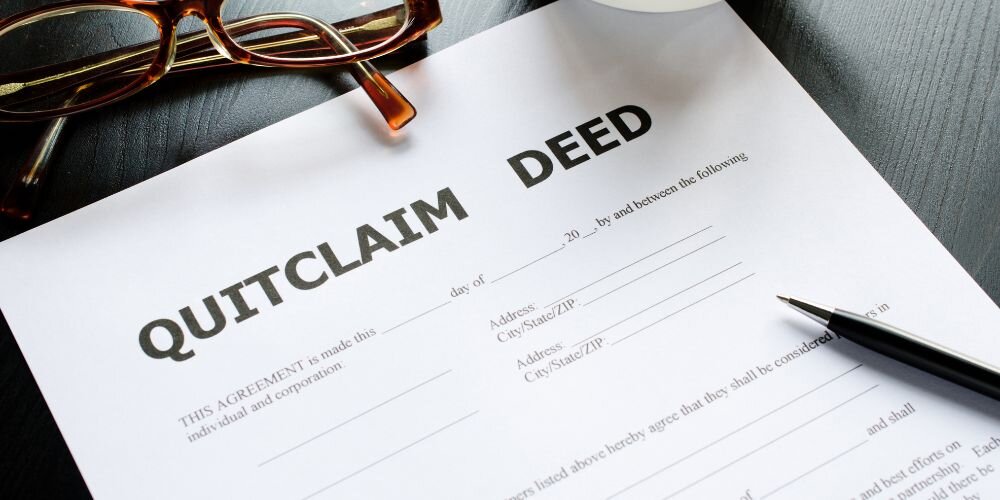
A quitclaim deed is an interesting option for people in Texas who want to quickly give away their land. This official paper gives someone a stake in a property but doesn’t promise a clear title, so it’s important to understand what it means to own a home. If you want to sell your house, learning about the different parts of Texas quitclaim deeds can help you decide if they are good or bad. For homeowners looking to move quickly, sell your Texas house faster with expert guidance from Southern Hills Home Buyers. It is very important to understand how quitclaim papers change ownership and titles in Texas, whether you want to give a property to a family member or fix issues with the title. You can feel good about going through this process if you read our guide.
Understanding Quitclaim Deeds in Texas

This is a one-of-a-kind way to change who owns land in Texas. It’s also not the same as other property rights in some ways. To navigate the complex world of real estate, one needs to understand how Texas quitclaim deeds work. You can give away any land rights you already have with these deeds, and there are no promises attached. It will help you understand what a quitclaim deed does in Texas property transfer law if you know what a warranty deed is and how it is different from it.
What is a Quitclaim Deed?
A quitclaim deed is a legal document that lets the grantor give up all rights to a piece of land without promising anything about the title. Unlike warranty deeds, quitclaim deeds don’t guarantee clear title transfers. Instead, they just pass on any interest the grantor may have had at the time of transfer, which could be anything from full ownership to none at all. It’s up to the donor to check the title’s clarity on their own. In Texas, quitclaim deeds are often used to clear up title problems or to give land to family members. They don’t offer any warranties, so it’s important to know what it means before signing it. A buyer shouldn’t use one if they want to be sure about the state of the property’s title. To fully understand what a quitclaim deed means and whether it’s right for you, you should talk to a good lawyer.
How Quitclaim Deeds Differ from Other Types of Deeds
Quitclaim deeds are different from other types of property deeds because of how they are used and what they are used for. Most importantly, quitclaim deeds don’t promise the title like warranty deeds do. Warranty deeds tell the buyer that the title is free of liens and other encumbrances. In a quitclaim transfer, the person who gives the money doesn’t promise that the property is theirs or that there are no liens on the title. This can lead to legal problems that were not expected. Because of this, quitclaim deeds are not used as often in normal real estate sales in Texas, where knowing who owns the property and the security of title is very important. Quitclaim documents are usually used in less formal situations, like when changing real estate titles within a family or fixing small title problems. Also, Texas law says that quitclaim deeds are better in certain situations, like property trusts or divorce agreements, where both sides already know each other’s claims and the risks that come with them. Before you sign a quitclaim deed, you need to know what the legal and ownership consequences are. This is because the process makes sure that everyone is aware of any possible problems with property ownership and title clarity.
When Are Quitclaim Deeds Used?
Quitclaim deeds are a unique way to move property in Texas. They have their own rules and are usually used in less formal or traditional situations. They can be a good choice in some cases because they don’t require warranties. If you know when and why quitclaim deeds are used, you can better understand how they can be used in real life, especially when family members are transferring property ownership or when standard warranties aren’t needed.
Common Scenarios for Quitclaim Usage in Texas
In Texas, quitclaim deeds are mostly used when the type of property transfer or the relationship between the parties doesn’t need the normal guarantees that a warranty deed gives. This phrase is often used when family members give each other property. This could happen if a parent wants to plan an inheritance so that a child or sister gets a stake in a piece of land. There isn’t as much to worry about with quitclaim papers when family members buy or sell property than when someone from outside the family buys the property. In a different case, mistakes in the title need to be fixed. Small issues or possible claims found by a title search can be fixed with a quitclaim deed. This makes it possible to move the title without having to go through a lot of legal steps. When one partner gives up their share of shared property to the other, a quitclaim deed is often used as part of a divorce settlement. This makes the move process easier and doesn’t need pricey title insurance or legal fees. In these cases, these papers can be useful, but it’s still best to talk to a lawyer to make sure everyone understands the risks and limits of a quitclaim transfer in Texas.
The Role of Quitclaim Deeds in Transferring Property
In Texas, quitclaim deeds play a specific part in the legal process of changing who owns property. They can give away any business stake the grantor has without guaranteeing the status of the title. For this reason, they are not as official as warranty deeds but perfect for a quick, easy sale. Their job is especially important when there are overlapping property claims or when unexpected title flaws are found. A quitclaim document doesn’t say that the grantor owns the property or that there are no liens on it, so it transfers any interest that is held. This part might look like a problem with the usual way of transferring property. Even so, it works well in situations like family property agreements or changes to the legal ownership structures of partnerships or trusts. Quitclaim deeds also let property owners give up ownership without all the paperwork that comes with a normal sale. This is especially helpful when official title insurance or lender involvement is not needed. In the end, quitclaim deeds make it easier to move property when title warranties aren’t important. But these pros must be weighed against possible cons, like title disputes. That’s why anyone in Texas thinking about this way to move property should talk to a lawyer first.
| Usage Scenario | Reason for Use | Details/Considerations |
|---|---|---|
| Transfer between family members | Simplifies the process of transferring property among relatives | Typically involves minimal documentation; it ensures familial intent rather than market sale intent. |
| Divorce settlements | To remove a party’s interest in the property | Provides clear delineation of property interests post-divorce; legal advice is often recommended to ensure fairness and clarity. |
| Correction of title defects | Address minor issues or discrepancies on a property title | It is useful for resolving typographical errors or incomplete property descriptions; however, it may require additional documentation for a thorough resolution. |
| Adding or removing a co-owner | A straightforward method to adjust ownership interests | This is beneficial when formalizing joint tenancy or relinquishing interests; generally, no title warranties are provided. |
You can use quitclaim papers in a number of ways, and this table lists some things you should think about when you are moving property in Texas.
Why Texas Homeowners Should Be Cautious with Quitclaim Deeds

If you live in Texas and want to sell or give away land, you might think that quitclaim deeds are a simple way to do it, but you should know what they really mean. With these deeds, you can’t be sure of your ownership rights or the clarity of your title, which could lead to problems down the road. If you want to use a quitclaim deed, you should think about the risks and effects on your property ownership. By doing this, you can make better decisions and protect your financial and property interests. Learn how quitclaim papers can affect the clarity of titles and who owns what, so you can trust your real estate deals in Texas.
Potential Risks of Using Quitclaim Deeds
There are many risks when using quitclaim deeds in Texas because they don’t promise that the grantor has a valid ownership stake or that the property’s title is clear. The person who receives a quitclaim deed needs to check the title’s legal status and history on their own. If you don’t, you could inherit a property that has unresolved legal issues, claims from the past, or liens on it. These problems can legally encumber the new owner, forcing them into expensive and long legal fights to clear the title or, even worse, letting someone else win the claim.
Furthermore, because quitclaim agreements are typically used for non-business property transactions, such as those involving family members, property owners may be unaware of the importance of conducting due diligence. Being overconfident in yourself can put you at financial danger in these instances, especially if future sales require clear title verification. There’s also the possibility that the property contains flaws that were not discovered but would have been in a more thorough process, such as a warranty deed. For these reasons, it’s best to consult with a lawyer about the potential concerns before proceeding with any quitclaim transfer in Texas.
Impact on Property Ownership and Title Clarity
It can be hard to show who owns a piece of land in Texas when quitclaim papers are used. Quitclaim deeds only transfer the grantor’s stake, if any. Warranty deeds make sure the title is clear and free of any liens. Because of this, it is very important for the buyer to check the title’s meaning after the sale. There could be disagreements about who owns the property if it’s not made clear enough. This could make it hard for the grantee to officially be the owner.
Along with problems with control, a possible lack of clarity in the title can make it harder to buy or sell property in the future. Buyers and lenders usually want to see proof of a clear title. This means that deals involving quitclaims in the past might need more thorough title searches or even title insurance. This can slow down or stop sales, especially if the title has a sketchy past. Because of this, quitclaim papers need to be carefully planned and understood ahead of time. Texas homeowners should make sure there is thorough back-end verification after the move, get legal advice for peace of mind, and protect any future dealings with the property. As we continue to look into quitclaim deeds, it is very important to think about a number of best practices and safety steps when moving property in Texas. – Do a title check to make sure the grantor still owns the property so there are no problems in the future. – Make sure that the quitclaim deed is written correctly so that it follows Texas law. — Record the property right away with the clerk’s office so that it is a public record. – You might want to get title insurance to protect yourself even more against claims you didn’t expect. – Look at any possible property debts that could affect your right to own the property in the future. – Make sure that both sides know what the quitclaim means for their property rights. – Make sure that the new owner’s information is correct in the property tax records. – Talk to a lawyer about any issues that are unique to the property sale. By following these rules, people can make good use of quitclaim deeds, reducing their risk and making it easier to regain rightful ownership.
Choosing the Right Deed for Your Situation

It’s important to know the differences between deeds, like quitclaim and warranty deeds, so that the process of selling a house or moving property goes smoothly. When choosing the best type of property for your situation, you should think about things like how clear the title is and what the legal consequences will be. For example, you should think about how a quitclaim deed might affect your right to own the property or whether a warranty deed gives you the peace of mind you need. Find out the most important things and steps you need to take to make sure you have a clear title and a smooth property move in Texas. If you live in Rockwall and are weighing your options with quitclaim deeds or warranty deeds, it helps to know that we buy Rockwall homes and can guide you through the title and transfer process efficiently.
Factors to Consider When Selling a House
In Texas, you need to know how the process of selling a house works. A promise deed or a quitclaim deed? It makes a big difference in how well your sale goes. To better understand your options, you can see how Southern Hills Home Buyers buys homes, which explains the process step by step and how we can help sellers navigate title and deed choices. You give up all rights to the property when you sign a quitclaim deed. A promise is not made about the property’s title. This can help with quick transfers, but it also means that the buyer has to check the title to make sure it is clear. If there are outstanding claims or liens, this could make it harder to sell or make deals in the future. A warranty deed, on the other hand, tells the buyer that there are no problems on the title. This makes them feel safer and more trusting. Title insurance and more research are generally what buyers need to do to make sure the title is clear. This is more important than ever for buyers.
You should think about the land’s history and any legal issues that could come up with a quitclaim deed. If getting the house sold quickly is the most important thing, and everyone knows each other, a quitclaim deed might be enough. If the buyer wants to be sure of everything and feel safe, on the other hand, a warranty contract is usually the better choice. Before you decide on a deed, you should always talk to a lawyer to make sure the deal meets everyone’s needs and wants and avoids problems in the future.
Ensuring Clear Title and Ownership Transfer
When you buy or sell property, especially in Texas, it’s very important to make sure there is a clear title and a smooth transfer of ownership. A clear title is important to avoid disputes and make sure the transfer of ownership goes smoothly. People who receive a quitclaim deed must do thorough title checks because the deeds themselves do not promise the grantor’s ownership rights or the property’s title condition. Buyers must do a lot of research before they buy, which usually includes doing a lot of title searches to find any hidden claims or liens that could affect ownership.
When you choose a warranty deed, you might need to get title insurance. This protects both you and the buyer by making sure the title is free of any liens. This is a very important step, especially in real estate markets where title and court battles happen a lot. Also, fixing any title issues before the deal is finalized can make it easier to sell or move the property in the future, since buyers and lenders like properties with warranty deeds because they are guaranteed.
Protecting your investment by understanding the deed choice and ensuring a clear title through legal and procedural safeguards will make the deal go more smoothly. Texas property owners who want to be sure they can handle the complicated processes of real estate transactions should get professional legal and procedural help. This proactive approach protects ownership interests and makes any future property dealings easier, giving you peace of mind and clarity in your real estate pursuits.
Before you use a quitclaim deed to sell your house in Texas, you should carefully consider what will happen to your property ownership and the stability of your title. Quitclaim deeds are a simple way to move property, but they might not always give buyers the security they want, which could affect how easy it is to sell and how much it is worth. Do your research and talk to a lawyer to make sure you’re protecting your interests and taking care of any title issues before moving forward. If you have questions about selling quickly or want a professional assessment, don’t hesitate to contact Southern Hills Home Buyers to see how we can guide you through the process. If you know how quitclaim papers work, you can make choices that will help you reach your goals and speed up the selling process.
FAQs
What is a quitclaim deed in Texas, and how does it differ from a warranty deed?
This type of deed in Texas gives up the grantor’s right to live on the land, but it doesn’t protect the title like a warranty deed does.
When is it appropriate to use a quitclaim deed in Texas?
In Texas, quitclaim deeds are mostly used for non-business transactions, like family transfers or small title issues. They shouldn’t be used for usual property deals where title insurance is important.
What are the potential risks associated with using a quitclaim deed in Texas?
There is no warranty of title, which means that the grantee has to check the title themselves to make sure it is clear and doesn’t have any claims, liens, or legal problems that haven’t been settled. This is the biggest risk.
How do quitclaim deeds affect property ownership clarity in Texas?
They give the grantee the grantor’s interest without making sure of ownership or title clarity. If the grantee doesn’t find any claims or liens that are already on the property, this could lead to ownership problems.
Is legal advice necessary when using a quitclaim deed in Texas?
No, you should talk to a lawyer to fully understand how a quitclaim deed works and what risks it comes with. This will help you protect your property and make smart choices.
Helpful Texas Blog Articles
- How long does a real estate contract last in Texas?
- Rights of Redemption after Foreclosure for Homeowners in Texas
- Can you sell a house that failed inspection in Texas?
- How Long Does It Take to Force the Sale of Co-Owned Property in Texas?
- Can You Sell Your House with a Quitclaim Deed in Texas?
- Can You Put a Lien on a Property in Texas