


How long can a seller stay in a house after closing? Usually somewhere between 7 and 60 days, and only under a written agreement. A sale-leaseback, also called a rent-back or post-closing occupancy agreement, allows a seller to remain in a home for an agreed period after the sale closes, paying rent to the new owner. It is a practical arrangement when life does not line up perfectly with a closing date, but it comes with real legal and financial boundaries that both parties need to understand before signing.
These agreements are more common than most buyers expect. In competitive markets where sellers have multiple offers to consider, buyers sometimes offer flexible possession terms as a way to stand out. For sellers, the ability to stay in the home a few extra weeks can be the deciding factor between accepting one offer over another. Understanding how these arrangements work protects everyone involved.
How Long Can a Seller Stay After Closing: The 60-Day Rule Explained
Most post-closing occupancy agreements run between 7 and 60 days. That is not arbitrary. Owner-occupant buyers are generally required by their mortgage lender to take possession within 60 days of closing. Allowing a seller to stay beyond that window can trigger a loan violation and, in some cases, be treated as mortgage fraud.
To stay safely inside that window, most experienced agents recommend capping rent-backs at 59 days.
When Lender Overlays Shorten the Timeline
Some lenders are even stricter. Jumbo lenders in particular may cap rent-backs at 30 days through their own overlay rather than a rule that applies to the loan product itself. Always confirm your lender’s specific overlay before agreeing to any post-closing occupancy terms. What works for one loan product may violate the terms of another, so this is a conversation to have with your lender before the purchase agreement is finalized, not after.
Cash buyers are the exception. Without a mortgage lender setting occupancy requirements, cash transactions offer more flexibility on possession timing. That flexibility is one reason cash offers are attractive to sellers who need extra time. Southern Hills Home Buyers routinely works with sellers who need customized post-closing timelines that financed buyers simply cannot offer.
Why Sellers Request a Post-Closing Occupancy Agreement
Life happens on its own schedule. Common reasons sellers ask for post-closing occupancy include:
Construction delays. A seller building a new home may face a delay of days or weeks. Rather than scrambling for temporary housing, they negotiate a short rent-back period to bridge the gap. Construction timelines are notoriously difficult to predict, and a rent-back gives the seller a safety net when the builder falls behind schedule.
Simultaneous closings. Sellers who are also buying another property sometimes need their sale proceeds to fund the purchase. If the timelines do not align perfectly, a rent-back buys them breathing room. Moving twice and paying for short-term housing in between is expensive, and many sellers would rather negotiate a rent-back than a sale with that added cost and disruption.
Job relocation timing. A seller accepting a job in another city is often juggling a start date, a relocation package, and a new housing search all at once. Committing to a hard move-out date before those pieces are in place creates unnecessary pressure. A short rent-back period removes that pressure and gives the seller time to make a sound decision on their next home rather than a rushed one.
Major life transitions. Sellers dealing with a death in the family, downsizing after decades in a home, or simply coordinating a large move may need extra time that a traditional closing date does not allow. If that’s your situation, a cash buyer can work the closing date around your move, which is one reason we buy houses in Dallas on the seller’s timeline.
What Is a Rent-Back Agreement After Closing?
Once a seller remains in the home after closing, they effectively become your tenant, and you become their landlord. The buyer owns the property; the seller pays rent.
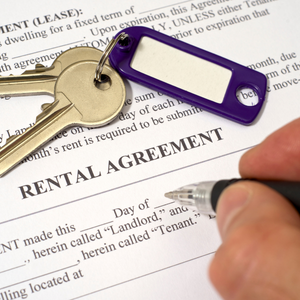
This is not an informal arrangement. Everything must be in writing, captured in a legally binding document typically called a Post-Closing Occupancy Agreement or a Post-Settlement Occupancy Agreement. This document should specify:
- The exact move-out date and time (not “end of the month” but a specific date and hour)
- The daily or monthly rental rate
- Security deposit amount and conditions for return or forfeiture
- Who is responsible for utilities during the occupancy period
- Penalties for overstaying the agreed date
- Insurance requirements for both parties
A well-drafted agreement protects both sides. The buyer has a clear legal basis to act if the seller overstays or damages the property. The seller has documented confirmation of their rights during the occupancy period and knows exactly what is expected of them. Trying to handle this with a verbal understanding or a handshake almost always leads to problems.
How State Laws Affect Post-Closing Occupancy Forms
Different states use different forms. Some jurisdictions provide standard addenda for short-term seller occupancy (typically under 30 days) and separate, more detailed lease agreements for longer stays of 30 days or more. Consult your agent or a real estate attorney to use the appropriate form for your state and the length of stay involved.
How to Calculate the Daily Rental Rate for Seller Occupancy After Closing
Daily rental rates are negotiable and can be calculated in a few different ways.
The most common method ties the rate to the buyer’s new carrying costs. Divide the buyer’s monthly principal, interest, taxes, and insurance (PITI) payment by 30 to arrive at a daily figure. If the buyer’s PITI is $3,000 per month, that works out to $100 per day. This approach is straightforward and easy for both parties to understand because it directly connects the seller’s rent to the real cost the buyer is incurring while waiting to move in.
Alternatively, the rate can be based on local rental market comparables, meaning the going rate for similar homes in the area. In competitive rental markets, this figure may exceed the PITI-based calculation. If local rents are higher than the buyer’s carrying costs, using the market rate is a fair argument, particularly for longer rent-back periods.
In practice, rates vary widely. Some buyers in highly competitive markets have charged up to $500 per day. Others in friendly transactions have agreed to nominal rates or even a token dollar-per-day arrangement when both parties have a trusting relationship and the stay is very short. The key is that both parties understand what is fair, and the agreement reflects that in writing.
Security Deposits and Escrow Holdbacks for Post-Closing Seller Possession
Security deposits protect buyers if the seller leaves the property damaged or fails to vacate on time. For short stays of a week or less, deposits typically range from $1,000 to $5,000. For stays of 30 to 60 days, a deposit equivalent to one or two months of the daily rate is more appropriate. The deposit should be substantial enough to motivate the seller to take care of the property and leave on schedule, not so small that it functions as a minor inconvenience.
Escrow holdbacks are another layer of protection. A portion of the seller’s proceeds, typically $5,000 to $25,000, depending on property value and rental period, can be held in escrow until the seller vacates and the buyer completes a final walkthrough confirming the property is in the same condition as at closing. Once confirmed, the funds are released to the seller. Sellers often ask what happens to escrow when you sell a house in Dallas, and the holdback is only one piece of that answer.
Why the Final Walkthrough Should Never Be Skipped
The walkthrough step is important and should not be skipped. Buyers sometimes waive the final walkthrough to keep the transaction moving, but when a seller has been occupying the home for weeks after closing, a walkthrough is essential. It documents the condition of the property at the time the seller hands over the keys and gives the buyer a clear basis to make a claim against the deposit or escrow if there is damage. The walkthrough is also the moment to confirm the seller has removed everything, because if items get left behind, the question of how long someone can leave their belongings at your property becomes a real legal issue. Most states require the new owner to store abandoned property and follow formal notice procedures before disposing of it.
If a seller overstays without a formal agreement in place, the proceeds have already been distributed, and the buyer loses the escrow holdback as leverage. Secure the agreement before closing to avoid that outcome. Working with cash home buyers in Plano can make this easier since cash transactions allow for more straightforward escrow and possession arrangements.
Insurance Requirements During Post-Closing Seller Occupancy

Insurance is one of the most overlooked complications in rent-back arrangements.
After closing, the buyer owns the property but has not moved in. The seller is living in a home they no longer own. This creates a coverage gap that can leave both parties exposed. The buyer’s homeowners insurance may deny a claim if the buyer never took occupancy, and the seller’s homeowners insurance will not cover the property because they no longer own it.
The safest approach: the buyer carries a homeowners policy covering the structure, and the seller carries renters insurance covering their personal belongings and liability. Both parties should notify their insurance carriers about the arrangement before closing. Insurance is one question, repair liability is another, so it’s worth knowing whether the seller is responsible for repairs after closing in Texas before you sign anything.
What to Do When a Seller Refuses to Vacate After Closing
A seller who refuses to vacate after the agreed date is a holdover occupant, and the legal process for removing them differs from a standard eviction.
The seller has no legal right to remain in the property past the agreed move-out date. Most states have unlawful detainer statutes that allow buyers to fast-track the dispute to trial, often within 45 to 60 days. Texas moves quicker. Under Property Code Chapter 24 the case is a forcible detainer suit, filed in the justice court for the precinct where the house sits, and trial gets set 10 to 21 days after the petition is filed.
Before going to court, the typical steps are:
- Direct communication. Confirm there is no misunderstanding about the move-out date.
- Written notice to vacate. Document the demand in writing; timeline requirements vary by state.
- Demand letter from an attorney. A formal letter outlining the problem and the required action. A demand letter often resolves the dispute without anyone filing suit.
- Legal action. If the seller still will not leave, file an unlawful detainer action. Courts in most jurisdictions move these cases quickly.
Most purchase agreements include a holdover clause specifying the seller’s financial liability for each day of unauthorized occupancy, often at a premium rate of 150 to 200 percent of the agreed daily rent. This creates a strong financial incentive to vacate on time.
Financial and Legal Risks for Sellers Who Overstay
The risks for a seller who overstays without authorization are severe: holdover fees, attorney’s fees, an eviction judgment on their rental history, and potential liability for any mortgage fraud implications tied to the buyer’s loan. Beyond the financial consequences, an eviction judgment becomes part of a public record that future landlords will see during background checks, which can make finding rental housing significantly harder for years afterward.
How to Handle a Post-Closing Occupancy Extension Request
When a genuine emergency arises, such as a medical crisis, a family situation, or an unexpected delay, buyers are generally more willing to accommodate an extension if the seller communicates early and honestly.
The worst thing a seller can do is say nothing and simply stay past the move-out date. That puts the buyer in the position of having to take legal action, which is far more stressful and expensive than a simple conversation. If circumstances change, reach out to the buyer through your agent as soon as possible. Most buyers are reasonable when approached in good faith.
If an extension becomes necessary, contact the buyer promptly through your agent, negotiate a new written agreement specifying the revised move-out date, and expect an increased daily rate to reflect the extended inconvenience. Extensions should always be documented in a new or amended written agreement, never handled informally.
Buyers, for their part, should think carefully before agreeing to an open-ended extension. Any revised agreement should include a firm new move-out date and escalating penalties for further delays. Flexibility is reasonable; an indefinite arrangement with no clear endpoint is not. Post-closing occupancy agreements may fall under tenant protections. Learn more about Texas tenant rights.
Best Practices for Negotiating a Seller Rent-Back Agreement

For sellers: Request a rent-back in the purchase agreement, not after the fact. Once the contract is ratified, the buyer has less incentive to agree. The cleaner and earlier the request, the better the outcome. Being upfront about your timeline and realistic about what you need makes it much easier for a buyer to say yes.
For buyers: Understand the seller’s motivation. A seller who is also buying another home or waiting on construction is likely to be cooperative and motivated to leave on time. One who is simply disorganized may need stronger financial incentives. Structuring the agreement with a meaningful security deposit and a clear holdover penalty gives you leverage without creating unnecessary conflict.
For both parties: Get everything in writing before closing. As one experienced agent puts it, the biggest leverage a buyer has is the ability to walk away before closing. After closing, that leverage is gone. Negotiate from a position of mutual respect, but make sure every detail is documented before the transaction closes.
FAQs
How long can a seller stay in a house after closing?
Up to 60 days in most cases. That is the limit tied to owner-occupancy requirements for most mortgage loans. Many agents recommend keeping it to 59 days to avoid any lender complications. Some loan products cap rent-backs at 30 days; confirm with the lender before agreeing to a longer period.
What is a post-closing occupancy agreement?
A legally binding document that formalizes a seller’s temporary stay in the home after closing. It functions as a short-term landlord-tenant arrangement and should specify the exact move-out date, daily rental rate, security deposit terms, utility responsibilities, and penalties for overstaying.
What happens if the seller refuses to vacate?
The buyer can pursue an unlawful detainer action in most states, which fast-tracks the matter to court. The seller may also owe holdover fees and attorney’s fees and can face lasting damage to their rental history from an eviction judgment.
Does a rent-back affect the buyer’s mortgage?
It can. If the rent-back period exceeds the lender’s owner-occupancy requirement, typically 60 days, the lender may reclassify the property as non-owner-occupied. This can result in a higher interest rate and potentially require the buyer to refinance under different loan terms. Always disclose the rent-back arrangement to your lender and confirm it complies with your specific loan requirements before finalizing the agreement.
A post-closing occupancy agreement is not complicated, but it does need to be taken seriously. The sellers who run into trouble are the ones who treat it casually, and the buyers who regret it are the ones who skipped the paperwork. Get the agreement right before closing, and both sides can move forward with confidence. If you have questions about your specific situation, contact us to explore your options, or start with our we buy houses in Fort Worth page if your house sits on that side of the metroplex.
Helpful Dallas Blog Articles
- Is Dallas Safe?
- Best Neighborhoods In Dallas
- Dallas Neighborhood Map
- How To Avoid A House Foreclosure In Dallas
- Fun Facts About Dallas
- Best Time to Sell a House in Dallas
- Dallas Property Tax Rate
- Free Things to Do in Dallas, Texas
- How To Sell an Inherited House in Dallas
- Selling My House on My Own (For Sale by Owner)
- Can I Sell My Parents House With Power Of Attorney
- How Long Can Seller Stay in House After Closing
- How Long After An Appraisal Can You Close
- How Long Can Someone Leave Their Belongings At Your Property
- Richardson, TX Neighborhood Map