


Your house is worth $343,000 on paper. The primary question is, should you spend $30,000 fixing it up to maybe get $370,000, or take a cash offer today for $275,000 and be done with it?
I’ve bought hundreds of houses across Texas, from Highland Park mansions to East Austin fixer-uppers. Every homeowner asks the same question. The answer isn’t always what you’d expect.
Texas Real Estate Market Conditions for Fixer-upper Properties
Texas consists of multiple micro-markets with varying buyer demand, each with different appetites for fixer-uppers. The Dallas-Fort Worth metroplex continues to demonstrate resilience, with median home prices at $404,995 according to Texas A&M Real Estate Research Center data, while San Antonio continues to serve as an affordable alternative to other major Texas metros, with median prices holding steady at $265,000.
In Collin County, buyers expect move-in-ready homes. Foundation issues are common here because of the expansive clay soil. Collin County sits on expansive clay soil that shifts with moisture changes, making foundation issues one of the most common (and expensive) repairs in the area. Pier installation typically costs $300-$500 per pier, and most homes need 8-20+ piers.
Houston’s different. Energy sector workers relocate frequently and often buy as-is properties for quick closings. Houston’s housing market shows remarkable activity, with the median sale price reaching $348,000, representing a 5.6% increase from the previous year.
Austin buyers tend to be more selective than Dallas buyers while remaining open to unique property features. The tech money creates interesting dynamics.
An important market factor to consider is that total home inventory reached 4.8 months of supply in Q1 of 2026, compared to 3.7 months in Q1 of 2025. This indicates a shift toward a more balanced market, which means buyers have more choices. More choices mean they can be pickier about the condition.
Market Value Assessment: Renovated vs. As-Is Property Pricing
Cash buyers typically offer 70–80% of fair market value, while traditional listings may reach 80–85%, depending on condition.
A critical factor is that fair market value assumes the home is in good shape. If repairs are needed, pricing shifts.
Key differences:
- Cash buyers factor in repair costs upfront
- Traditional buyers often request credits after inspection
- Property condition directly impacts final offers
Example:
- Renovated value: $350,000
- Traditional sale net: $280,000 (after credits)
- Cash offer: $245,000
- Difference: $35,000
This may suggest renovating is better, but results vary.
Keep in mind:
- 39.1% of U.S. sales are cash deals
- Cash buyers focus on price and potential, not finishes
- Market demand can outweigh property condition
Bottom line: Market conditions often matter as much as the home’s condition.
Cost-Benefit Analysis of Home Renovations Before Selling in Texas
For most homeowners in the Dallas-Fort Worth area, kitchen remodels range from $50,000–$100,000+, while full primary bathrooms typically cost $30,000–$75,000+. Across Texas, total remodel costs can reach $100,000–$350,000 depending on scope and finishes.
But return on investment is where many homeowners are surprised.
Typical renovation costs:
- Kitchen remodel: $50,000–$100,000+
- Bathroom remodel: $30,000–$75,000+
- Full home renovations: $100,000–$350,000
ROI insights:
- Mid-range bathroom remodel: $12,000–$18,000
- Minor updates: $3,000–$5,000 (often higher ROI)
- Garage door replacement: ~193.9% return
Garage doors often outperform high-end upgrades like granite countertops.
Most cost-effective improvements:
- Interior paint: $3,000–$6,000
- Flooring (LVP/carpet): $4,000–$10,000
- Basic landscaping: $1,000–$3,000
Bottom line: Major renovations rarely recoup full costs unless in high-end markets. Minor, low-cost updates typically deliver better returns
Essential Repairs That Must Be Completed Before Selling in Texas
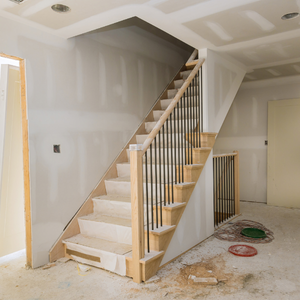
Some repairs aren’t optional, even for As-Is sales. Texas law requires sellers to complete a Seller’s Disclosure Notice that includes known defects.
Foundation problems top the list. Most roofs in Texas last 15-25 years due to heat, hail, and UV exposure. HVAC systems in Texas work harder than anywhere else. Electrical issues can kill deals fast.
But an important consideration is that cash buyers expect these problems. They’ve already factored repair costs into their offers. Traditional buyers? They’ll ask for credits or walk away.
Transactions have been shown on houses with foundation cracks, roof leaks, and broken HVAC systems. The key is pricing and disclosure. Hide problems, and you’ll face legal issues. Disclose everything, price accordingly, and cash buyers will compete for your property.
Southern Hills Home Buyers has bought hundreds of properties with major repair needs across Texas. They understand the local repair costs and don’t get spooked by foundation issues or aging systems.
Most Profitable Home Improvements for Texas Sellers
If you’re determined to renovate, focus on improvements that actually matter to Texas buyers.
Steel entry door replacement will run you about $2,355, but you’ll be recouping 188.1% of the cost, up 88% from 2023. Not only will the renovation enhance curb appeal, but steel doors are also known to provide more insulation, making it an energy-efficient choice.
Energy efficiency sells in Texas. New windows, insulation, and HVAC systems appeal to buyers facing $300+ summer electric bills.
Invest where it counts: Kitchens and bathrooms consistently deliver some of the most substantial returns on investment (ROI) in Texas homes, especially when upgrades focus on quality materials and functional design improvements.
But don’t over-improve for your neighborhood. A $75,000 kitchen in a $250,000 neighborhood won’t pay off. A $15,000 kitchen refresh might return $20,000 in sale price.
Paint, flooring, and landscaping deliver the best bang for your buck. Major structural changes? Usually not worth it unless you’re staying in the house for years.
Timeline Considerations for Renovating vs Selling As-Is
- Carrying costs during renovation: $2,500-$4,500/month in Collin County.
- Contractor delays: Timelines frequently run 30-60% longer than estimated.
- Agent commissions after listing: 5-6% even after spending $30,000+ on repairs.
- Price reductions: If the home doesn’t sell quickly.
Carrying costs can accumulate quickly over time. Property taxes, insurance, utilities, and loan payments continue while you renovate. In March 2026, home prices in Texas were down 1.6% compared to last year, selling for a median price of $342,400. The median days on the market were 82 days, up 12% year over year.
Three months of carrying costs plus renovation delays can eat into your profits quickly. Some homeowners spend six months and $50,000 on renovations, then take the same net proceeds they would’ve gotten selling as-is.
Cash sales close fast. Once we learn a little about your property, we can usually provide a fair cash offer within 24 hours. If you like the offer, you choose the closing date. In many cases, some cash buyers can provide offers within 24 hours and close in as little as 14 days.
Time is an important financial consideration in real estate decisions. Every month you spend renovating is a month you can’t invest that money elsewhere or move on with your life.
Financing Renovation Costs Before Preparing to Sell Your Texas Home
Our cash-out refinance allows you to access funds from your home’s equity to help with renovation projects. It works by replacing your existing mortgage with a new home loan that is for more than what you owe on your current mortgage. Then, at closing, you get back the difference in cash.
HELOCs are another option. A Home Equity Line of Credit (HELOC) allows you to use the equity you have built in your house as a line of credit to finance large expenditures over time. HELOCs are perfect for remodeling projects that add value back into your home.
But borrowing to renovate before selling is risky. Interest rates are higher than they were a few years ago. If the renovation doesn’t add enough value, you’re stuck with more debt and the same net proceeds.
Personal loans for renovations typically carry high interest rates. Credit cards? Even worse.
Cash is king for renovations. If you don’t have cash sitting around, selling as-is might be the smarter financial move.
Professional Contractor Selection for Pre-sale Renovations in Texas
On average, general contractors in Texas charge between $50 and $150 per hour, while specialized labor like electricians, plumbers, or carpenters might charge between $60 and $100 per hour.
Finding good contractors is harder than finding good deals on houses. The best contractors are booked months out. Are there available contractors? There’s usually a reason they’re available.
Skilled labor shortages, especially in civil and highway construction, continue to push wages higher. That shortage affects residential contractors, too.
I’ve seen homeowners hire cheap contractors and spend more fixing their work than the original renovation would’ve cost with a quality contractor.
Get three bids minimum. Check references. Verify licenses and insurance. Expect delays and budget overruns.
Alternatively, sellers may choose to avoid renovation complexities by selling as-is.
Insurance Considerations During Pre-sale Renovation Projects

Your homeowner’s insurance might not cover renovation-related damage. Contractor’s insurance should cover their work, but gaps in coverage create liability issues.
Vacant home policies cost more and provide less coverage. If you move out during renovations, your insurance situation gets complicated fast.
Theft during renovations is common. Copper pipes, appliances, and fixtures disappear from job sites. Your contractor’s insurance might not cover your property.
Document everything. Take photos before, during, and after work. Keep receipts and contracts organized.
Better yet, let someone else deal with renovation insurance headaches.
Tax Implications of Home Improvements Before Selling in Texas
Home improvements can increase your cost basis, potentially reducing capital gains tax. But only if you keep detailed records and the improvements actually qualify.
Repairs don’t count. Improvements do. The IRS distinguishes between fixing something broken and making something better. That distinction matters for your taxes.
If you’ve lived in the house for two of the last five years, you might qualify for the $250,000 (single) or $500,000 (married) capital gains exclusion anyway.
Consult a tax professional before making renovation decisions based on tax implications. The rules are complex and change frequently.
Texas Home Inspection Requirements and Buyer Expectations
Loan financing challenges: If you’re selling your house as is on the open market, you have a higher risk of offers falling through due to financing issues. Mortgage lenders typically require a home appraisal before approving a loan. If the property has serious issues or is unlivable, many lenders will refuse to service the loan.
Traditional buyers expect inspections. They’ll hire inspectors who find every possible problem, then negotiate credits or repairs.
Cash buyers often waive inspections or conduct limited inspections for information only. They’ve usually seen enough houses to spot major problems during their initial walkthrough.
Even As-Is sales benefit from pre-inspection reports. Knowing what’s wrong helps you price accurately and respond to buyer concerns.
Professional inspections cost $400-600 but can prevent deal-killing surprises later.
Legal Disclosures Required for As-Is Property Sales in Texas
“As-Is” doesn’t mean “no disclosure.” Texas requires sellers to disclose known material defects regardless of sale terms.
The Seller’s Disclosure Notice covers structural issues, environmental hazards, and system problems. Lying or omitting information creates legal liability.
“As-Is” means the buyer accepts the property in its current condition and won’t ask for repairs or credits. It doesn’t mean you can hide problems.
Work with a real estate attorney or experienced agent to ensure proper disclosure. The cost of legal advice is much less than the cost of litigation.
Real Estate Expertise in Pricing As-Is vs. Renovated Properties
Not all agents understand As-Is sales. Many push renovations because they’re more comfortable with traditional listings.
Look for agents with investor experience. They understand As-Is pricing and have buyer networks that include cash buyers and investors.
“We have seen listings taking longer to sell, so homes need to be market-ready and priced well in order to attract an offer,” said Conn. “Buyers generally have more choices and a little more time to make decisions than a few years ago.”
Pricing AS-IS properties requires different skills than pricing renovated properties. Comparable sales might not reflect your property’s condition. Agents need to adjust for repair costs and buyer expectations.
Some agents recommend companies like We Buy Houses in Texas for sellers who want to skip the traditional listing process entirely. They understand that not every seller wants to deal with showings, negotiations, and repair requests.
Home Staging Strategies for Properties Sold in Current Condition
Staging an “as-is” property sounds contradictory, but it works. Clean, decluttered spaces help buyers see potential instead of problems.
Remove personal items and excess furniture. Clean everything thoroughly. Make minor repairs that cost less than $100 each.
Don’t hide problems, but don’t highlight them either. If the kitchen needs updating, stage it cleanly with minimal accessories. Let buyers focus on layout and size, not dated finishes.
Professional staging costs $2,000-5,000 monthly. DIY staging costs a weekend and a few hundred dollars.
Even cash buyers respond to well-presented properties. They’re investors, not magicians. Help them see the potential.
Cash Buyers vs Traditional Buyers: Who Purchases As-Is Properties
Cash buyers offer speed and certainty with no financing or repair requirements, which can reduce delays and carrying costs. Traditional buyers typically prefer move-in-ready homes and may request repairs after inspections.
| Factor | Cash Buyers | Traditional Buyers |
|---|---|---|
| Speed | Fast (7–14 days) | Slower (30–60+ days) |
| Condition | Buy as-is | Prefer move-in-ready |
| Repairs | No requests | Often request credits |
| Risk | Low | Higher (financing issues) |
| Focus | Investment | Lifestyle |
As-is homes attract fewer buyers, but cash buyers move quickly and can still create competitive offers.
Buyer Negotiation Tactics for As-Is Property Purchases

Cash buyers negotiate differently from traditional buyers. They focus on price, not repairs. Their offers might seem low initially, but they don’t come back with repair requests.
Traditional buyers often make full-price offers, then negotiate credits after inspection. The final net proceeds might be the same as the cash offer.
The biggest surprise for most sellers is repair deductions after a walkthrough, not the initial offer.
Cash buyers build repair estimates into their initial offers. Offers are typically presented with minimal post-negotiation adjustments.
Expect multiple rounds of negotiation with traditional buyers. Expect one round with cash buyers.
Alternative Selling Options: iBuyers, Investors, and Traditional Sales
While iBuyers won’t ask you to make any repairs, they’ll make deductions for estimated repair costs. They’ll also charge service fees and closing costs, so your final home sale price may be significantly lower than your initial offer from an iBuyer.
Local investors often offer better prices than iBuyers because they have lower overhead and know local markets better.
Traditional sales through MLS reach the most buyers but take the longest and require the most preparation.
Each option serves different needs. iBuyers for convenience, investors for speed, and traditional sales for maximum price.
A company that buys homes in Dallas, TX, and nearby cities combines the best aspects of each approach. They’re local investors who understand Texas markets but can close as quickly as iBuyers without the high fees.
Seasonal Market Trends Affecting Renovation and Sales Decisions
Spring and summer are peak selling seasons in Texas. More buyers, faster sales, higher prices.
Fall and winter see fewer buyers but also less competition from other sellers. Cash buyers operate year-round.
Builders should anticipate seasonal spikes in spring and summer, when most new projects break ground. That affects contractor availability and material costs.
Starting renovations in the fall for spring completion makes sense if you’re committed to that path. Starting renovations in spring means competing with everyone else for contractor time.
Cash sales don’t depend on seasonal trends as much as traditional sales.
Frequently Asked Questions
What is the 30% Renovation Rule?
Consider spending no more than 30% of your home’s after-renovation value on improvements. The maximum for a $400,000 house is $120,000. This ensures you don’t overimprove your neighborhood and still profit from the sale.
What Devalues Homes Most?
In Texas, foundation issues, outdated electrical systems, and poor maintenance devalue houses the most. Location issues like busy roads and declining neighborhoods also lower values. More important than outdated kitchens or worn floors are structural or safety issues.
The 3-3-3 Rule in Real Estate?
The 3-3-3 rule suggests comparing sales from the last three months within three blocks with three similar bedrooms/bathrooms. This helps price accurately based on market value. Newer comparables matter more in fast-changing markets like Texas.
What Adds $100,000 to Your House?
Additional bedrooms, bathrooms, and finished basements can add $100,000, but costs often exceed returns. Whole-house renovations, pools, and premium outdoor spaces may meet that threshold in Texas. Most improvements offer little value for their cost.
This decision varies based on homeowner circumstances, and hundreds of Texas homeowners have made it. Some renovated and made great profits. Others renovated and barely broke even. Many sold As-Is and wished they’d done it sooner.
The right choice depends on your specific situation, not general rules. If you want to talk through your options with someone who’s seen every scenario, contact Southern Hills Home Buyers. They offer free consultations without pressure to sell.
Whether you renovate or sell as-is, make the decision based on your timeline, budget, and stress tolerance. Both paths can work. The wrong path is the one that doesn’t fit your life right now.
If you want to explore a cash offer just to see where you stand, there’s no obligation. Sometimes knowing your options makes the decision easier. The best decision depends on financial goals, timeline, and property condition.
Helpful Texas Blog Articles
- What Happens When a Seller Refuses to Close in Texas
- Living In A House During Texas Probate
- Renovate Before Selling Or Sell Your House As-Is in Texas
- Texas Squatter Rights Laws For Homeowners And Property Owners
- Capital Gains Tax on Rental Property Sales in Texas
- How To Remove A Property Lien From Your Texas Home?
- Selling Your Fixer-upper House Fast In Texas
- Do I Have To Sell My House In A Texas Divorce
- MLS Listing Costs In Texas
- Selling Home With Reverse Mortgage in Texas
- How to Avoid a House Foreclosure in Texas
- Can You Sell a House With Asbestos in Texas
- Selling a House That Needs Repairs in Texas
- How to File a Quitclaim Deed in Texas
- How to Sell a House While Living in It