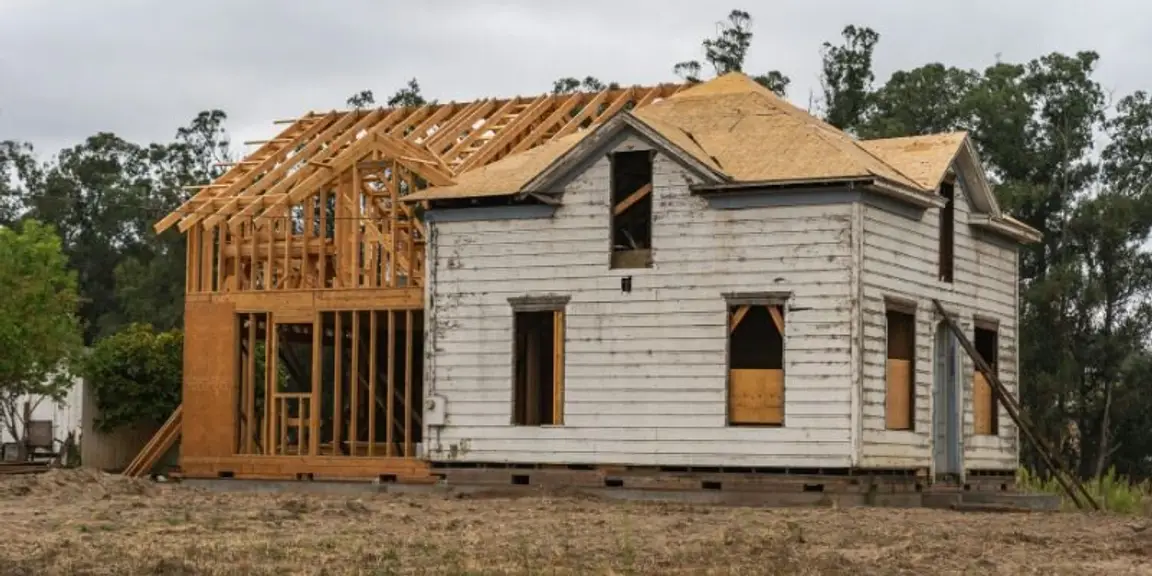

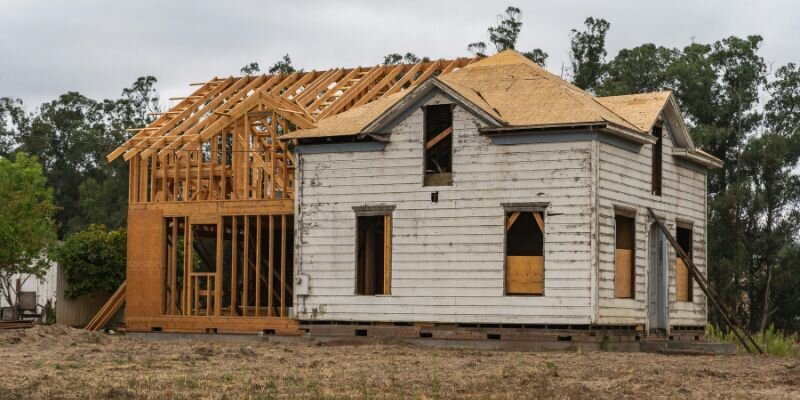
Your neighbor’s fence is broken. Missing shingles on roof. Obama has been president and that HVAC system has not performed well since then.
You are in a house that needs a lot of fixing up and you wonder if someone would truly buy it in its current condition. Maybe it’s a career change or headaches with an inheritance, or maybe you just can’t afford the repairs piling up like bills in January.
Let me tell you the truth. Over the years I’ve bought hundreds of properties in Texas and I see this problem weekly. Homeowners assume they are in a money pit, but actually the truth is far easier than most real estate specialists will tell you.
Let’s cut to the chase. The state’s median price rose 1.6% from 2025 to $330,950, but it doesn’t mean your fixer-upper is worthless. Indeed, it may be exactly what some buyers want.
Nobody tells you the truth. Sometimes a fixer-upper sells faster than the perfect house. Why is that? There is less competition and buyers who acquire these homes know exactly what they’re getting into.
I’ve seen it all from foundation cracks in the clay soil of Houston to storm damage down to the Gulf Coast. All are fixable and most don’t require you to blow your life savings on repairs first.
Texas Real Estate Market Trends for Houses Requiring Major Repairs

The figures reveal a tale most people don’t see. The state’s average days on market (DOM) declined two days to 61 days in October. That’s for the entire state, but fixer-uppers tend to go even faster at the appropriate price.
Texas median home price constant in October at $335,000, but distressed property sellers have plenty of opportunities. Buyers start hunting for value bets when the median is flat. Your fixer-upper will appeal to investors, first-time home purchasers and anyone who can see potential rather than difficulties.
Cash is king in this space. Cash transactions made for 25% of all existing house sales nationally in November 2025. That percentage is significantly higher in Texas for properties in need of work. Cash buyers don’t have to worry about appraisal difficulties or the financing conditions that kill sales on damaged houses.
Market circumstances are dramatically different from region to region. Dallas and Beaumont are trending differently. The Austin market is different than the Lubbock market. One constant is always present, though. There’s always demand for houses that are priced to reflect their true condition, especially from companies that we buy houses in Texas markets focused on distressed and fixer-upper properties.
Pre-sale Home Inspection Requirements for Texas Fixer-upper Properties
Texas does not require sellers to receive inspections before they list. That’s good news for the owner of a fixer-upper who already knows there are problems with the property.
But wise sellers nonetheless frequently have examinations. The aim is not to repair everything – but to know precisely what they’re facing. Knowing the extent of the faults enables you to price correctly and avoid surprises during buyer inspections.
Professional inspections usually run between $300 and $600 for average-sized properties. Think of it as insurance against future deal-killing disclosures. There are critical systems issues including structural challenges and safety issues that affect value.
Some dealers will skip inspections and sell “as-is.” That works well, especially with cash buyers that perform their own due diligence. For example, Southern Hills Home Buyers does their own inspections and can close without the sellers having to do anything.
Transparency is the key. Please tell us what you know, whether you check it or not. Texas law mandates honesty in the disclosure of knowing problems, and it’s always better to over-communicate than to have legal issues later.
Texas Disclosure Laws for Selling Houses with Known Structural Issues
Texas takes its disclosure seriously. Most residential sales require the Seller’s Disclosure Notice, which includes everything from foundation difficulties to environmental dangers.
If you know about structural problems you have to disclose them. Ignoring that broken foundation? Sagging roof? Electrical problems? They all enter into the discourse. Not to mention lawsuits that could cost you a lot more than the repairs ever would.
But here’s the thing: transparency doesn’t mean you have to correct anything. You’re just telling buyers what they already know. Especially investors, they like honest transparency. Because that way they can estimate the renovation expenses precisely.
Texas is particularly strict about environmental disclosures. If your property has a history of flooding, soil contamination, or is located near industrial areas, those details should be disclosed. Flood related events have affected many parts of Texas over the years, and properties with a documented flood history are subject to specific disclosure requirements. Being upfront about these issues helps buyers make informed decisions and protects you from potential legal disputes.
The disclosure protects you legally and sets correct expectations for the customer. Don’t see it as a liability. It is a tool that genuinely attracts the ideal purchasers for your property as it is.
Texas Building Code Compliance Issues That Affect Property Resale Value
Building code violations are a pain, but they don’t render buildings unsellable. They do affect value, though, and narrow your buying pool.
Common infractions include unpermitted extensions, electrical work that does not meet current standards and unpermitted HVAC alterations. These are frequently questions that arise during buyer inspections, or when seeking permits for new construction.
Some of the violations are safety-related and need immediate correction. This includes exposed electrical wires, structural changes that endanger stability or gas leaks. Others are more cosmetic or administrative in nature.
The expense of improving homes to a standard varies enormously. Simple electrical fixes can run into the hundreds, and serious structural work into the tens of thousands. Get estimates before you decide to fix violations or sell as-is.
There are lots of cash purchasers who buy properties that have code violations with the sole purpose of renovating and flipping them. They have contractors, know the permit process and include compliance fees in their offerings. This presents opportunities for sellers who can’t or won’t sell with infractions themselves.
don’t require. Time saver and stress saver to work with purchasers who understand code concerns. They won’t have you repair anything before closing. They will, however, adapt their offer to take into account the work involved.
DIY Repairs vs Professional Contractors: Cost-Benefit Analysis for Texas Sellers
When you’re attempting to wring every dollar of profit out of a fixer-upper, it’s easy to get tempted by the DIY route. But DIY work tends to inflict more harm than good.
Buyers and inspectors can smell amateur work a mile away. Bad paint jobs, uneven floors, and electrical work that violates code are red signals for what more might be wrong. Professional purchasers, in particular, are more likely to question DIY repairs since they imply other hidden problems.
Focus your DIY efforts on cosmetic changes that don’t require permits. A little fresh paint, a little landscaping and a good deep cleaning may do wonders in making a property much more appealing, without generating liability problems. Let licensed specialists take care of the electrical, plumbing and structural work.
The only exception is if you really do know your stuff. You are a licensed electrician. Your electrical work is worth something. You are a carpenter. Your finished work may impress buyers. But most homeowners overestimate their ability and underestimate the time it takes to do a competent job.
For substantial repairs cost-benefit analysis favors the expert work. It costs more in the beginning but it’s done well the first time and it’s warranted. Properties that have been professionally repaired are worth more because buyers are confident in the quality of the job.
Sometimes the best thing you can do is nothing. If you sell it to cash purchasers as is, you don’t have to do fix it up. Some companies like Southern Hills Home Buyers buy homes in any condition and take care of all repairs after closing. You can learn more about how Southern Hills Home Buyers buys homes before deciding which selling option works best for your situation.
Pricing Strategies for Texas Homes Needing Foundation and Roof Repair
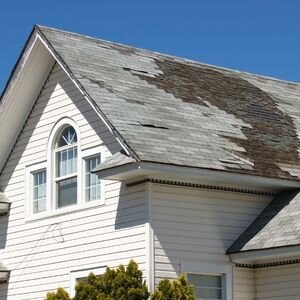
Foundation and roof issues frighten purchasers more than just about anything else. These are expensive, disruptive repairs which affect daily living. Also they are predictable costs, which allow for proper pricing.
In Texas, foundation repairs can range from $3,000 for small issues to over $30,000 for extensive stability work. Get several quotes from a couple of foundation companies to get an idea of the real cost. Don’t try to guess or look up on the Internet. The price is very much influenced by local soil conditions and the precise pattern of damage.
Roof replacement costs depend on material and complexity. Basic asphalt shingles can cost $8000-15000 for normal homes. Tile or metal roofing is substantially more expensive. Include permits, disposal fees and any structural fixes that may be found during replacement.
Then remove repair costs from comparable sales for your property price. Discount it further for buyer risk and inconvenience. If similar homes are selling for $ 200,000 and your home requires $ 20,000 in foundation work, then price it around $160,000-$170,000, not $ 180,000.
Major repairs? Buyers want a sell. They’re spending time, money and stress cleaning up the problems you’re leaving behind.” If it’s priced right, serious buyers will come shortly.
Cash purchasers usually pay more to your asking price because they don’t have to comply with the financing issues. They close fast and do repairs on their schedule. This speed and certainty can often justify slightly lower bids.
As-is Property Sales: Legal Considerations for Texas Homeowners
“In Texas real estate, “as-is” has a particular legal meaning. If you are selling the property in its current form without making any repairs or giving any warranties as to its condition.
As-is, do not abolish disclosure requirements. You still have to disclose known problems and necessary disclosures. The difference is you’re not promising to solve anything.
Use the text verbatim in your listing and buying contracts. The Texas Real Estate Commission provides standard forms that have as-is alternatives to shield sellers from having to make repairs. Use these forms and have purchasers certify that they are buying without repair contingencies.
Buyers attracted to as-is sales are typically investors, contractors, and homeowners looking to refurbish. These purchasers know they will have to do all the repairs and price their offers accordingly.
With as-is sales, financing is more problematic. Most lenders won’t lend on properties that have major faults. This promotes as-is sales to cash buyers or buyers with rehabilitation loans.
As is sales have considerable legal protection. Buyers can’t buy a house “as is” and then come back later and demand repairs for problems they find after closing. Sellers of problem properties find as-is sales attractive because of this certainty.
Staging and Photography Tips for Texas Homes with Visible Repair Don’ts
Don’t try to disguise difficulties. Instead, build opportunities around them to show promise in spite of current challenges. Buyers can picture what’s possible even in damaged homes when they are cleaned up and decluttered.
Concentrate on the things that work. If the kitchen needs a refresh, but has good bones, stage it to highlight the layout and natural light. Stage bedrooms with carpet to be replaced, highlighting room size and storage.
You need professional photography even more with fixer-uppers. Good pictures honestly show issues, but accentuate good features. Bad pictures make things look worse than it is.
Think of virtual staging for vacant rooms. Digital furniture allows consumers to imagine how areas might operate once repaired. This is particularly effective for buildings with dated finishes but strong layouts.
Fixer-uppers require outside staging assistance. Signs of neglect include a messy yard and overgrown landscaping. Basic repairs and simple cleaning can make a good first impression even when big repairs are needed.
Lighting cures a lot of difficulties in photography. Open all blinds, switch on all lights, and add more lighting for dark areas. “Good lighting can make even damaged properties look more appealing.
Document correction performed. Pictures of before and after show buyers that you’ve taken care of some issues, which gives them confidence that the property is in good shape overall.
Marketing Damaged Properties to Real Estate Investors in Texas
Real estate investors think differently than the average homebuyer. They see the possibility for profit where others perceive issues. If you understand their attitude, you can market to this category of buyers more successfully.
Investors want figures. Provide estimates of repair costs, comps, and projected ARVs. The more information they have, the faster they can assess opportunities.
Promote the investment opportunity. Highlight if the home is in an appreciating neighborhood or has rental possibilities. Investors invest based on future value, not present condition.
Investor Marketing Channels Focus. Big pockets, local investment organizations, and distributor networks reach serious investors. Traditional MLS listings work as well, but customized marketing will elicit more investor interest.
Be competitively priced for the investor market; There are many of these purchasers, and they are eager to act on a good sale, especially if you need to sell your Sherman house faster in a competitive local market. Investors are looking for better opportunities, and houses are overpriced.
You may choose to work directly with cash-buying companies that buy distressed properties. The companies have reduced processes and can wind down rapidly without financial contingencies.
Real Estate Agent Selection for Selling Distressed Properties in Texas
Not all agents are familiar with selling troubled properties. Many are focused on move-in ready homes and have no expertise with fixer-uppers. Employ agents who specialize in these types of deals.
Find agents with investor clients. Agents that work with investors know about as-is sales, cash sales, and rapid closings. They understand how to price distressed properties and market them to the right buyers.
Experience with foreclosures, short sales, and estate sales translates well to fixer-upper marketing. These agents understand motivated sellers and buyers looking for value options.
Ask them about their marketing plan. Good agents will discuss investor networks, cash buyer databases, and specialty marketing methods in addition to the typical MLS exposure.
Commission arrangements may be negotiated on distressed properties. Some agents lower their commission for a speedy cash sale or vary their charges depending on the condition of the property. Discuss this at the start.
Interview several agents before you decide on one. The cheapest isn’t always the best, but the most costly isn’t necessarily the greatest either. Look for agents who understand your position and have a proven track record with similar homes.
Seller Financing Options for Texas Fixer-upper Properties
Seller finance opens doors when conventional loans aren’t an option. Seller financing can be a good option if a property has serious faults and can’t qualify for a regular mortgage.
Owner financing is very suitable for investors who are planning to do a lot of renovation work. They take possession right away, so they can get to work, and you get monthly payments instead of one flat sum.
Master the structure of seller finance. Include property improvement requirements, balloon payments, and higher interest rates. Get adequate papers and title insurance to protect yourself.
Another possibility is lease-option agreements. The buyer is granted the right to occupy the property during the process of purchasing it. This works for those buyers who need time to secure financing or do repairs.
Seller financing allows for tax benefits by amortizing capital gains over several years. Talk to tax professionals to discover implications for your circumstance.
Seller financing: Be cautious about screening buyer finances. They won’t, but that doesn’t mean you should. Require large down payments, examine credit, and verify income. When accepting offers, it’s important to understand earnest money rules in Texas to protect your transaction.
Negotiating Repair Credits and Closing Costs in Texas Real Estate Transactions
Repair credits let you address buyer concerns without actually making repairs. Instead of fixing the roof, you credit $10,000 toward closing costs or reduce the sales price.
Credits work well when buyers want specific contractors or materials. They get control over repair quality while you avoid the hassle of managing work. Everyone wins.
Closing cost credits help buyers who have repair money but limited cash for closing. You pay for their title insurance, attorney fees, or other closing expenses instead of reducing the price.
Structure credits carefully to avoid any financial problems. Lenders limit how much sellers can pay toward a buyer’s closing costs. Exceeding these limits can cause the sale to fall apart.
Consider repair allowances instead of credits. Set aside funds in escrow for specific repairs and release them upon completion of the work. This ensures repairs actually happen while protecting both parties.
If you’re wondering Do I Have To Sell My House In A Texas Divorce, the answer often depends on negotiations and how property division is structured in your case.
Negotiate credits based on actual repair estimates, not guesswork. Get a contractor offer to establish fair credit amounts. This prevents disputes and builds trust with buyers.
Texas Home Warranty Options for Houses with Existing Repair Needs

Home warranties can make fixer-uppers more attractive to buyers by protecting against future problems. However, warranties have limitations with pre-existing conditions.
Most warranty companies exclude known defects from coverage. If the HVAC system is already broken, warranties won’t cover its repair or replacement. Read policy terms carefully before purchasing.
Basic warranties cost $400-800 annually and cover major systems and appliances. Enhanced plans cost more but include additional items like pools, septic systems, or roof repairs.
Buyers often prefer cash credits to warranties because they offer greater flexibility. A $600 warranty might be worth less than $600 in cash toward repairs.
Some warranty companies offer special programs for distressed properties. These plans might cover some pre-existing conditions or provide enhanced coverage for older systems.
Market warranties as additional peace of mind, not primary selling points. Buyers understand warranties have limitations, so don’t oversell their value.
Timeline Expectations for Selling Repair-Needed Houses in Competitive Texas Markets
Fixer-uppers often sell faster than perfect homes when priced correctly. Homes spent two fewer days on the market statewide compared to the same period last year, and distressed properties can move even more quickly with motivated buyers.
Cash sales typically close in 2-4 weeks versus 30-45 days for financed transactions. This speed advantage helps offset potentially lower offers from cash buyers.
Market timing affects distressed property sales differently from traditional sales. The spring buying season benefits all properties, but investors buy year-round based on transaction quality rather than season.
Price reductions accelerate sales timelines. Nearly three-quarters (74%) of sellers reduced their asking price two or more times before the sale, indicating that realistic pricing from the start prevents extended marketing periods.
Multiple-offer situations can develop quickly on well-priced fixer-uppers. Investors recognize a good sale and move fast to secure properties before competition arrives.
Plan for inspection periods even with as-is sales. Buyers still need time for due diligence, contractor estimates, and, if applicable, financing approval. If you want more control over the sale, check our guide on how to sell by owner in Texas.
Frequently Asked Questions
Is It Difficult to Sell a Home That Needs Repairs?
Not necessarily, but it requires the right strategy and realistic expectations. Properties in need of repairs often sell quickly when priced to reflect their condition. The key is targeting investors and cash buyers who specialize in fixer-uppers rather than traditional homebuyers looking for move-in-ready properties.
What Should You Not Fix When Selling a House in Texas?
Avoid major renovations like kitchen remodels, bathroom overhauls, or expensive flooring upgrades unless you’re certain they’ll return full value. Focus on safety issues, basic maintenance, and cosmetic improvements that cost little but make a big impact on first impressions. Let buyers handle major updates according to their preferences and budget.
What Is the 3-3-3 Rule in Real Estate?
The 3-3-3 rule states that in the first 3 days, your property receives 30% of its total showings; in the first 3 weeks, it receives 60%; and after 3 months, interest drops significantly. This emphasizes the importance of strong initial pricing and marketing to capture early buyer interest when momentum is highest.
What Is the Powerful Prayer to Sell Property?
While many people find comfort in prayer during stressful times like selling property, success comes from practical steps: realistic pricing, proper marketing, and working with experienced professionals. Focus on controllable factors such as property condition, pricing strategy, and selecting the right real estate professionals for your situation.
Selling isn’t the fixer-upper in Texas; it’s about hoping for miracles. It’s about understanding your market, pricing realistically, and connecting with buyers who see opportunities instead of obstacles.
The Texas real estate market has room for every type of property when it is positioned correctly. Your fixer-upper might be exactly what someone needs to build their dream home or investment portfolio.
If you are keen to explore your options without pressure or obligation, Southern Hills Home Buyers can provide a fair offer based on your property’s current condition. Sometimes the simplest solution is the best one. Every distressed property situation is different, and sellers often have additional concerns about timelines, inspections, disclosures, and closing costs. You can read other FAQ’s here to better understand your available options before moving forward.
Helpful Texas Blog Articles
- What Happens When a Seller Refuses to Close in Texas
- Living In A House During Texas Probate
- Renovate Before Selling Or Sell Your House As-Is in Texas
- Texas Squatter Rights Laws For Homeowners And Property Owners
- Capital Gains Tax on Rental Property Sales in Texas
- How To Remove A Property Lien From Your Texas Home?
- Selling Your Fixer-upper House Fast In Texas
- Do I Have To Sell My House In A Texas Divorce
- MLS Listing Costs In Texas
- Selling Home With Reverse Mortgage in Texas
- How to Avoid a House Foreclosure in Texas
- Can You Sell a House With Asbestos in Texas
- Selling a House That Needs Repairs in Texas
- How to File a Quitclaim Deed in Texas
- How to Sell a House While Living in It