


Most homeowners don’t realize that getting a house appraised for free has been possible all along. Every time you’ve typed your address into an online home value estimator, you’ve used one of those free tools: something that costs millions to build, offered to you at no charge. Getting a solid read on your home’s value without writing a check is entirely possible if you know which tools and people to ask, and that’s the good news.
What Is a Free Home Appraisal and How Does It Work?
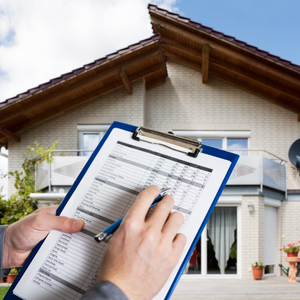
A formal home appraisal ordered by a mortgage lender is almost never free to the person who needs it. Federal appraiser independence rules require lenders to engage appraisers without undue influence, and many lenders meet that obligation by ordering through third-party appraisal management companies, so in practice neither buyer nor seller gets to choose who shows up at the door. The appraiser works for the lender, not for you.
A free home valuation typically comes in one of three forms: an automated valuation model from an online estimator, a comparative market analysis from a real estate agent or brokerage, or an informal walkthrough from a home buyer or investor. Each one uses different data and carries different levels of precision. None of them carries the legal weight of a paid appraisal report, but for the purpose of deciding whether to sell, refinance, or simply understand your equity, they work well enough for most situations.
What really separates these free options is who performs them and what information they can see. An algorithm only knows what’s in the public record. An agent or appraiser can see that you replaced the HVAC and finished the basement, which means recent improvements you’ve made actually get counted. That difference matters when you’re trying to price a house, not just ballpark it.
How to Get a Free Home Value Estimate
Pricing your house too high based on a flawed estimate is one of the most expensive mistakes a seller makes. Overpriced property sits, gets stale, and eventually sells for less than it would have at the right price from day one, which means you lose money before you have even started negotiating.
A comparative market analysis from a local real estate agent or Realtor is the most accessible free option. Most agents will pull one for free, hoping to earn your listing. A comparative market analysis pulls recent MLS sales of comparable homes in your area, adjusts for differences in size, condition, and features, and arrives at a range where your home should realistically sell. This is genuinely useful data, more nuanced than anything an algorithm produces.
A second route is contacting a local cash home buyer directly. At Southern Hills Home Buyers, for example, the process starts with a free property walkthrough. We’re a family-owned company that’s been buying houses since 2010, with an A rating from the Better Business Bureau and more than 300 five-star reviews from sellers we’ve worked with. We’re not running a complex algorithm from a server farm; we’re actually looking at your house, your neighborhood, and what’s been selling nearby. Sellers often tell us that conversation gave them more clarity than anything they’d found online. If you want that kind of in person read, see how we buy houses in Plano and across the rest of the Dallas metro.
Some lenders also offer free home value estimates as part of a refinancing consultation. If you’re exploring a home equity loan or refinancing, ask your mortgage provider to pull current data on your property before you commit to anything.
Best Free Online Home Appraisal Tools and Resources
Free online home value estimators work the same way across the board: type in your address, and within seconds, you get a number built from hundreds of data points pulled from MLS records, tax documents, and recent market trends. Different platforms weigh those inputs differently, which is why the same house can pull noticeably different prices from one tool to the next, and that spread is itself useful information.
Major banks offer free estimators, and you don’t need to be a customer to use them. Chase’s Home Value Estimator and Bank of America’s real estate center both let you pull a value for any address, and because they’re built on lending-side data rather than listing-side data, they make a good cross-check against the big real estate portals. The FHFA House Price Calculator, a free federal tool, takes a different angle entirely: it projects your home’s value from its last sale price using the government’s own house price index for your metro area.
The smartest approach is to check three or four of these tools on the same day, then average the results. No single automated valuation tool is the definitive answer. Spread across multiple tools, the range they produce at least gives you a corridor of likely value rather than a single number to argue over.
One resource many homeowners overlook: your county assessor’s website. Property tax assessments aren’t the same as market value, but they’re free, they’re based on your specific parcel, and in many areas they’re updated annually. Comparing your assessed value to recent neighborhood sales on the MLS gives you a rough sanity check before you call anyone.
Drawbacks of Free Home Appraisals and Online Estimates
Free estimates are a starting point, not a finish line.

Don’t take our word for it; the estimator platforms disclose this themselves. In their own published accuracy reports, the major platforms acknowledge that median error rates for homes not currently listed on the market run around 7% or higher nationwide, and they climb further for unusual properties and thin markets. Run the math on a $350,000 property, and a 7% miss is $24,500 in either direction. That’s not a rounding error; that’s a serious miscalculation that can affect your plans in ways you won’t see coming until the sale is already moving.
Algorithms also can’t see inside your house. An AVM doesn’t know your kitchen was gutted and renovated two years ago, that the roof is brand new, or that the back bedroom has water damage behind the drywall. Those details move the needle in ways the tools never capture.
CMAs are more reliable, but they reflect what a particular agent believes will help them win your listing. Some agents shade their CMA numbers upward to tell you what you want to hear. A second opinion from a different agent, or a conversation with cash home buyers like Southern Hills Home Buyers, can reveal whether the numbers you’ve been given hold up.
Free Home Appraisal vs. Paid Appraisal: How Accurate Are They?
A homeowner who called us last spring had run her address through four different online estimators and got four different numbers spanning nearly $60,000. She was frustrated, sure someone was lying. Nobody was lying. The tools just pull different data sets and weight them differently.
Paid appraisals cost between $314 and $424 for a typical single-family home, according to recent national data, with larger or more complex properties running higher. What that fee buys you is a licensed professional who physically walks every room, compares the condition to actual recent sales, and produces a formal written report that mortgage lenders, courts, and tax authorities will accept (and that you can reference years later).
Free tools can narrow your range, but they rarely nail your price. The gap between an online estimate and a formal appraisal often surprises people who assumed the online number was a close estimate. In dense urban markets with lots of recent sales, AVMs do better because the algorithms have rich comparison data. Pull that same question in a rural county with few transactions, and the error rate climbs fast (sometimes embarrassingly fast, in our experience).
For most sellers who just want to know whether to accept an offer or pick a list price, a good comparative market analysis from an experienced local agent is accurate enough. Where it breaks down is when you need a number that another party will trust, such as a lender, an estate attorney, or a divorcing spouse’s attorney. In those cases, pay for the licensed appraisal.
Here’s how the options stack up side by side:
| Valuation Method | Typical Cost | Sees Inside Your Home? | Best For |
|---|---|---|---|
| Online estimator (AVM) | Free | No | Quick first orientation to your value range |
| County assessor record | Free | No | Sanity-checking other estimates against your parcel |
| Agent’s CMA | Free | Yes | Picking a list price or evaluating an offer |
| Cash buyer walkthrough | Free | Yes | A direct offer with no obligation to sell |
| Desktop appraisal | $150–$300 | No | A licensed opinion when a full visit isn’t required |
| Full licensed appraisal | $314–$424+ | Yes | Lenders, courts, estates, and divorce proceedings |
What Do Appraisers Look for When Valuing Your Home?
A seller who just finished a costly kitchen remodel is often stunned when the appraisal comes in lower than expected. The appraiser’s mental checklist started before they even rang the doorbell.
They’re comparing your property to others that have actually closed nearby, typically within the last six to twelve months. Square footage matters, but so does functional layout. A 1,800-square-foot house with an awkward floor plan may appraise lower than a tighter 1,600-square-foot home that flows well (we have watched this play out more than once). Appraisers adjust for bedroom and bathroom count, lot size, garage, condition of major systems, and whether the finishes are dated or updated.
Condition scoring is where many homeowners get surprised. An appraiser grades overall condition on a standardized scale, and even a cosmetically dated but well-maintained home can score well if the bones are solid. Deferred maintenance, on the other hand, chips away at value in ways that are hard to recover at the table.
The report also captures location factors: proximity to commercial corridors, noise, school district lines, and recent distressed sales nearby all land in it. A licensed appraiser working under Fannie Mae’s guidelines must reconcile all of these elements into a defensible final value, not just average a few numbers.
How to Prepare for a Home Appraisal
Cleaning your house before an appraiser arrives is one of the most underrated things you can do, and it costs nothing.
Appraisers are trained to be objective, but they’re also human. A cluttered, musty home reads as poorly maintained even when the structure is perfectly sound. Clean windows let in more light, which photographs better and shows better. These small steps take an hour and collectively signal to an appraiser that the house has been cared for, and in our experience, that impression forms within the first two minutes of a walkthrough.
Before the appraiser arrives, run through this quick checklist:
- Deep clean the house and open blinds and curtains so every room shows in its best light.
- Knock out minor repairs you’ve been putting off, like a dripping faucet, a cracked outlet cover, or a door that won’t latch.
- Write up a one-page summary of improvements from the last five years with rough dates and costs, and hand it over at the start of the visit.
- Unlock and clear a path to every room, including the attic hatch, crawl space, garage, and utility areas.
- Secure pets and plan to give the appraiser space to work without hovering.
How to Find a Home Appraiser or Real Estate Agent Near You
The assumption that any licensed agent can give you a reliable local valuation falls apart fast in markets with sharp neighborhood-by-neighborhood differences.

An appraiser licensed in your state may rarely work in your specific county, leaving their comps drawn from areas that don’t actually reflect your street. Matching the professional to the exact submarket is what separates a reliable valuation from a polished guess.
Start your search for a qualified appraiser at the Appraisal Institute’s Find an Appraiser directory, which lists credentialed professionals by location and specialty. For agents who can produce a solid CMA, the National Association of Realtors member directory lets you filter by designation and market area. Your state’s real estate commission website can verify a license before you hand anyone access to your home (and we always do this first).
Sometimes, though, even the right professional and the right price can’t move a difficult property. One seller we worked with, Daniel, had been through two separate listing cycles with two different agents, a yard sign, open houses, and a price reduction, with zero offers closing on either attempt. When we connected on a Friday, he walked us through a property that had been on the market for nearly eight months. The garage was full of tools he’d assumed would scare buyers away, the layout was unusual, and neither agent had priced the property to reflect those friction points honestly. He needed someone who understood the actual buyer pool for that specific house, not just the general market. If you’re in a situation like Daniel’s, where traditional sales channels haven’t worked, Southern Hills Home Buyers works with sellers whom the traditional market has passed over, making it simple to sell your house for cash. The same holds for owners looking for cash home buyers in Fort Worth.
FAQs
What Is the Cheapest Way to Get a Home Appraisal?
A free CMA from a local real estate agent is the least expensive route to a credible home value estimate. If you need a formal appraisal from a licensed professional, desktop appraisals, which the appraiser conducts using public data without visiting the property, typically run between $150 and $300 and cost less than a full in-person appraisal. Just know that most mortgage lenders won’t accept a desktop appraisal as a substitute for a full report.
Is There a Way to Get a Free Home Appraisal?
Yes, in a practical sense. Free online estimators, including bank-run tools like Chase’s Home Value Estimator, provide no-cost automated value estimates instantly. Real estate agents typically conduct a comparative market analysis for free as part of an initial consultation. Cash home buyers like Southern Hills Home Buyers also offer free property assessments with no obligation to sell.
What Not to Say to a Home Appraiser?
Avoid telling an appraiser what you need the value to be, either for a refinance, a sale, or any other purpose. That puts them in an awkward position and can undermine their independence. Let the appraiser do their job without steering them toward a number. Provide factual information about improvements and let the comps speak for themselves.
Will a Real Estate Agent Appraise Your House for Free?
An agent can’t legally call what they produce an “appraisal” since that term is reserved for licensed appraisers. What they can do, and typically will do for free, is prepare a comparative market analysis that draws on recent MLS sales to estimate your home’s likely sale price.
If you want to talk through what your house might be worth and what your options look like, we’re here. No pressure, no obligation. Contact Southern Hills Home Buyers whenever you’re ready.
Helpful Texas Blog Articles
- Who Pays Real Estate Agents In Texas?
- Selling Tenant-Occupied Property In Texas
- How To Sell A House By Owner In Texas
- Earnest Money Rules In Texas
- Texas Tenant Rights
- How Will Medicaid Know If I Sell My House
- How To Get Your House Appraised For Free
- Do You Need A Lawyer To Add A Name To A House Deed?
- Short Sale vs Foreclosure Explained
- Can You Sell A House With A Mortgage In Texas
- How Long Can You Go Without Paying Your Property Taxes In Texas
- Selling A House With Water In The Crawl Space In Texas
- Difference Between Title and Deed
- Selling A House Without Permits
- Can You Pause Mortgage Payments While Selling a House in Texas?