


East Texas’ rolling hills smell different in spring. Bluebonnets bloom, property taxes are due, and a contractor near Garland quoted the Beckett family $15,000 to fix a kitchen worth $8,000. They called me last Tuesday after three walkthroughs with different agents.
Can You Sell Your House Without a Realtor in Texas?
Yes. Texas has 13.22% FSBO listings, or one in eight homes sold. Above most states, including Florida and North Carolina.
No real estate agent is required for Texas sellers. Be in charge from pricing to closing. Although Texas law does not require an attorney for FSBO real estate transactions, it is a good idea to hire one for the paperwork. Most DIY sellers fail: 6% of 2026 home sales were FSBO, the lowest ever. FSBO sellers sell 11% of their homes without a realtor. The math gets complicated with pricing errors and missed opportunities.
Knowledge of your local market is success. Buyers expect well-priced and marketed homes in established Plano neighborhoods with mature trees and great schools or near Houston’s energy corridor, where young professionals value proximity to major employers. In Austin’s tech-heavy market, buyers want modern home offices and fast internet. Companies like Southern Hills Home Buyers show that many FSBO attempts start well but need professional help to finish. Sellers in fast-appreciating areas like Frisco or Cedar Park overprice initially, while sellers in slower markets like East Texas underprice due to insecurity.
Save on listing agent commissions, but do your own pricing, coordination, and contract negotiations. That control appeals to sellers with flexible schedules who can schedule buyer showings during busy times. Some can’t handle the pressure, especially when they work full-time and get unqualified calls at all hours.
How Much Money Do You Save Selling by Owner in Texas?
Seller avoids listing agent and earns $35K more in Fort Worth. A neighbor across the street pays $42,000 in commissions.
As an FSBO seller, you keep the ~2.5% to 3% listing agent commission. This saves $12,300 on a median-priced Texas home. The real story gets more complicated when you consider FSBO home prices. Agent-assisted sales averaged $435,000 in 2023, while FSBO sales averaged $380,000. This price difference usually negates commission savings. With three percent agent fees, you may lose money.
Disparities vary regionally. Since buyer competition is high in hot markets like The Woodlands and Southlake, FSBO homes can sell for more. In high-inventory markets like Houston’s outer suburbs, FSBO homes sit longer and sell for less.
Despite their best efforts, 75% of FSBO sellers paid a buyer’s agent commission of several percentage points. Buyer agents generate the most qualified leads, so if you don’t pay them, your buyer pool shrinks quickly. Over 85% of buyers in Texas’s largest metropolitan areas are represented, so most serious buyers work with agents who expect compensation.
Good negotiations and competitive pricing save money. FSBO properties appeal to professional investors and cash buyers who want to avoid agent hassles and close quickly. Southern Hills Home Buyers helps FSBO sellers skip the market and close in weeks, not months. Save big by timing the market. FSBO properties in Katy ISD or Highland Park may sell quickly and at full price in seller’s markets. Lack of professional marketing and agent networks costs more in buyer’s markets.
FSBO vs. Realtor: Which Option Saves More Money?
Your commission will never exceed the mispricing of your home. Over the past decade, FSBO homes sold for around 15% less than MLS homes. FSBO sellers are much less satisfied with their home’s sale price than agents. That gap is hard to close, even with commission savings. Realtors sell homes 90% of the time. They can set home prices based on comparable sales data, schedule showings, and negotiate deals that can make or break your net proceeds. Experienced agents understand local market factors like proximity to major employers, school district boundaries, flood zone designations, and neighborhood development plans that affect pricing.
But agents get paid upfront, whether your house sells or not. Photographic, marketing, and staging tips cost money. Realtor fees, which average 5.88% of your sale price in Texas, are the biggest expense. Generally, it depends on your situation and local market conditions. If you need to sell quickly due to a job change or financial strain, the agent’s expertise may be worth it. Compared to FSBO homes, agents reduce time on market by 8-12 days, lowering mortgage, insurance, and utility costs.
With time to learn and negotiate, FSBO can save you thousands. Effective in stable markets with predictable price movements. Established Richardson or Sugar Land neighborhoods have enough similar sales data to help motivated sellers price accurately.
Nobody tells you that agents and FSBO sellers often compete for buyers. Your Zillow listing is next to agent-listed homes with professional photos and descriptions. A quality presentation is key to FSBO success because buyers compare everything.
How Do You Price Your Home Correctly Without a Realtor?
With propertyrecords on your kitchen table, you wonder if your house is worth what you want. Start with nearby sales. See homes sold in the last 3 months with similar square footage and condition. Zillow and county appraisal district websites post sale prices, sometimes late. Harris County appraisal district updates every 30–45 days. Smaller counties may take 60-90 days.
Drive around and check out the deals. If three houses on your street sit at three twenty for two months, three fifty may not be possible. Texas homes spent seven days longer on the market in Q3 2025 than last year, indicating changing market conditions that will affect pricing strategy. Consider value-affecting micro-locations. Homes backing to busy streets (Houston Highway 6 or San Antonio Loop 1604) sell for 5-10% less than interior lots. In competitive districts, houses near top elementary schools fetch $15,000–25,000. The biggest challenges for FSBO sellers are pricing (17%), selling quickly (13%), and paperwork (10%). Start with the wrong price, and you lose momentum. You sit around while inventory builds because the price is too high. Too low a price means losing money.
If unsure, get a professional opinion. It costs $400–$500, but it gives you a credible negotiating position. Some buyers’ lenders will order their own anyway, so you’ll know your pricing is realistic early on. Compare local market prices to the $340,000 statewide median. Austin prices differ from those in Tyler and Corpus Christi. Homes in Westlake may average $800,000, while those in Del Valle (twenty minutes away) may average $300,000.Check property conditions. Your move-in-ready home may be worth more than your neighbor’s three-sixty, which needed a roof and HVAC. Adjust lower if comparable sales include recent renovations and your property needs updates.
Where Do You List Your House for Sale by Owner in Texas?
“Where do I put this visible thing?”
Don’t stop at Zillow’s FSBO section. MLS homes sold 17% faster and 17% more than off-MLS homes. Flat-fee MLS listing services cost hundreds, not thousands, in commissions. It pays off in exposure and faster sales. FSBO.com lists 42 Dallas homes for sale by owners. The Dallas-Fort Worth metroplex’s size generates enough buyer traffic to sustain active FSBO markets, unlike smaller Texas cities, where agent networks dominate buyer referrals. FSBO.com, ForSaleByOwner.com, and Craigslist still generate leads for investors and cash buyers. These sites attract buyers who want FSBO homes to avoid agents or negotiate directly with sellers.
Facebook Marketplace connects local neighbors and buyers who may not use traditional real estate sites. Here’s how to sell your house on Facebook Marketplace so your listing pulls real inquiries instead of tire-kickers. Post photos, important info, and your contact info. Use neighborhood-specific keywords like “Katy schools,” “energy corridor,” or “Lake Travis.” Nextdoor can reach neighbors who know someone looking to buy. Traditional agents and flat-fee MLS options offer the same exposure. Your home will be on your local MLS, Zillow, and Realtor.com for a few hundred dollars instead of thousands in commissions. Basic syndication to top real estate websites and agent exposure at FSBO prices are offered by most flat fee services.
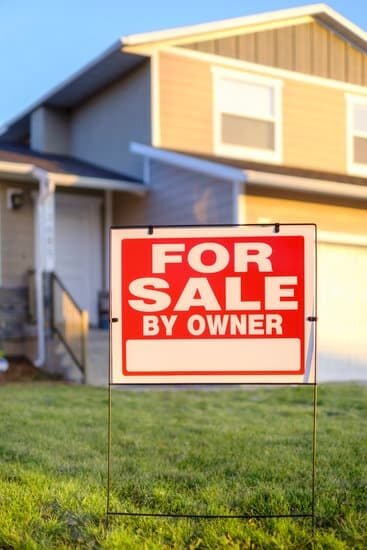
Remember the yard sign. Though old-fashioned, it works well in Texas’s car-centric culture. Include your phone number and “By Owner” so buyers can call you. Some of your best prospects are driving through the neighborhood before looking online. TexasFSBO.com focuses on the state market and knows local title insurance and closing customs. These platforms know Texas law and have better local support.
What Paperwork Do You Need for FSBO Sales in Texas?

Most sellers don’t realize how much paper a house sale generates. Buyers should read the seller’s disclosure notice, which details foundation and neighborhood noise issues. Leave anything out, and you risk legal trouble. Most Texas residential sales require this disclosure. The form inquires about structural issues, environmental hazards, previous repairs, and neighborhood issues that could affect property value, including questions sellers should consider when deciding whether to replace their roof before selling their home.
Get copies of your deed, survey, and HOA documents. Buyers’ lenders usually require a survey to confirm property lines and encroachments. Without a survey, you’ll have to order one, which could cost $400–$800 depending on property size and complexity. To avoid legal issues, listing your home FSBO with a real estate attorney is recommended. Real estate contracts have grown more complicated over time. A missing clause can cost thousands or kill a deal. Undocumented contingency deadlines, repair negotiations, and financing terms can cause disputes. Texas Real Estate Commission website: download the standard Texas real estate contract. Make sure an attorney reviews it before using it. How much do Texas lawyers cost? The average Texas lawyer’s hourly rate is $349. Some real estate attorneys charge $750-$1,250 for simple closings, which is worth it for peace of mind.
Buyers need recent repairs, major appliance warranties, and utility bills to estimate monthly expenses. Property tax statements inform buyers of their Texas county-specific tax obligations. Record everything. Sent emails, signed contracts, and inspection reports. You can avoid disputes and lawsuits with proper documentation. All buyer communications, repair estimates, and title company correspondence should be kept in a separate folder.
How Do You Handle Buyer Negotiations Without an Agent?
She thought the buyer was lowballing Sarah after seeing the offer. “But agents can negotiate, and I don’t want to be taken.”In fact, you negotiate daily. You negotiate salary, kids’ bedtimes, and dinner spots. Real estate negotiations are similar. Someone makes an offer, you counter, and you either agree or leave. Buyers often lowball FSBO sellers because they assume you’re desperate or naive. Do not take offense. Justify your counteroffer. Recent Oak Street and Maple Drive sales support my request for X. I can do Y if you close by Z.Plan your negotiations before listing. Know your minimum price, preferred closing date, and preference for repairs vs. credits. Clear boundaries prevent emotional decisions in heated negotiations.
Three-quarters of FSBO sellers pay the buyer’s agent commission. Let the agent handle the technicalities and focus on price, closing date, and repair requests if buyers have agents. Buyer agents prefer FSBO sellers because they can deal directly with the seller. Write it all down. In a dispute, text messages and spoken agreements are invalid. Keep email copies. Email summaries after phone calls: “You agreed to…When buyers are aggressive on inspection items, get repair estimates from licensed contractors. Sometimes a $1500 credit will end a dispute that could kill the deal. Know the difference between safety concerns and cosmetic items that buyers may be using as a negotiation tactic.
Serious buyers ask questions about neighborhoods, schools, and closing dates, while tire-kickers complain about cosmetic issues or have unrealistic expectations. Negotiate with serious buyers who can pay. Southern Hills Home Buyers makes simple offers based on the property’s condition and can close quickly without financing contingencies, eliminating the uncertainty and stress of traditional negotiations.
What Closing Costs Do FSBO Sellers Pay in Texas?
Title insurance fees vary by property value and title company pricing, so it’s hard to estimate. A Sugar Land seller was surprised by a $42,000 title insurance bill last month. A neighbor who sold last year paid $38,000.In Texas, where the median home price is $332,100, the owner’s title policy will cost around $2,435. Unlike other states, Texas sellers pay for the buyer’s title insurance.
Texas closing costs average 2% to 5% of the sales price for buyers and a bit more for sellers, including realtor commissions, which FSBOs do not pay. Seller costs average 2-4% of the sale price, excluding agent commissions. Texas does not charge a transfer tax when you transfer your home’s title, unlike New York and California, where transfer taxes add thousands to closing costs.
Property taxes are prorated based on the closing date, and settlement fees are $350-$600, depending on your title company (shop around for the best rate). Harris County charges $195 to record a deed, while smaller counties may charge 50-$75.Expect the unexpected. Boundary questions cost $400-800 in survey updates. To meet a closing deadline, you must send a document overnight for $25-50 per package. Title curative work for liens or judgments can cost several hundred to several thousand dollars, depending on complexity. Contractor mechanics’ liens, tax liens, and judgment liens must be paid at closing. They deplete your proceeds and can surprise sellers if they weren’t aware.
How Do You Close on a House Sale Without an Agent in Texas?
I always thought title companies only worked with real estate agents, but I was surprised to see that they do a lot of direct transactions. Most title companies prefer to work directly with principals for better communication. Choose a title company early on to search, insure, and transfer funds. Some companies specialize in FSBO transactions and help sellers through the process.
Texas title companies handle most residential closings, while attorneys handle more in New York. They prepare closing documents, transfer money, and record the deed. If your buyers are financing, coordinate with their lender. Lenders have specific document preparation and fund disbursement requirements. The title company will handle most of this, but you should stay informed on timing and last-minute requirements. Schedule a final walkthrough the day before or morning of closing to confirm the repairs you negotiated are complete, and the house is in the same condition as when you submitted the offer. Answer any questions during the walkthrough to avoid surprises on closing day.
Bring a cashier’s check and ID to closing. The title company will have prepared a settlement statement listing all charges and credits. Read it carefully, especially the sections on prorated taxes, title insurance, and surprise fees (I caught two calculation errors). You will sign the deed, review the settlement statement, and receive your proceeds check during the one- to two-hour closing plan. If you’re paying off a mortgage, the title company will work with your lender to get the correct payoff amount and release the lien.
What Mistakes Do Most FSBO Sellers Make in Texas?
The current median listing price for FSBO homes on FSBO.com in Dallas, Texas, is $280,000, but pricing errors occur in all price ranges. Overpricing kills momentum faster than anything else. FSBO sellers may price their house too high and leave it unsold without professional advice, or they may ask for too little and lose money. Buyers only get one chance to make a first impression, and mentally discount overpriced homes even if you lower the price later.
Your home is in the middle of agent listings with professional staging and drone shots. In today’s market, 95% of buyers start their search online, so photo quality determines showing interest. Most FSBO sellers will throw 2-3% to entice buyer agents and their clients. They won’t show you properties that don’t pay them. Since 87% of buyers use agents, this cuts your buyer pool in half. Successful FSBO sellers use 5-7 marketing channels to reach more buyers than posting on Craigslist or one FSBO website.
Agents can schedule viewings during business hours and efficiently conduct multiple showings, but FSBO sellers often struggle to accommodate buyers who need to schedule appointments in the evenings or on weekends. In Texas’s competitive market, timing is everything. Contract mistakes can lead to legal liabilities, closing delays, and disputes. Many FSBO sellers don’t understand Texas real estate law’s contract language and disclosure timing.
Emotional connections cloud the mind when negotiating. You may be too close to the property to negotiate inspection items or reject reasonable offers. Buyers know this and use it to their advantage.
When Should You Switch From FSBO to Hiring a Realtor?

If your home has been listed for 90 days without a reasonable offer, seek professional help. Statewide, months of inventory were 4.8, up from 3.6 months last year. Four to five months of inventory indicates a market in balance between supply and demand, while an extended market time indicates pricing or presentation issues. If you’ve lowered your price twice and aren’t getting showings, professional pricing expertise may be worth the commission. Every time you lower the price, you damage your property’s market perception, making it harder to sell even with an agent.
Agent experience with complex transactions. Divorce sales, estate sales, and homes with title problems require special knowledge that costs money to learn the hard way. Unique features, environmental issues, and legal issues often require professional assistance. Time pressure changes the equation. Job transfers, financial emergencies, and foreclosure deadlines may require paying commissions to sell faster. Agents cut market time by 8-12 days and can quickly identify serious buyers.
If several buyers raise the same issues during showings or negotiations, an experienced agent may see solutions you don’t. Pricing, condition, and marketing that don’t highlight the property’s best features are common issues. If inventory rises or buyer preferences change, agent expertise becomes more valuable. Higher interest rates or economic uncertainty usually benefit professional representation that can adapt to changing conditions.
What Are the Best FSBO Alternatives to Traditional Realtors?
For sellers comfortable with negotiations and showings but who want the best market exposure, flat fee MLS services offer agent exposure without full service commissions. You pay $300–$500 to list on the MLS, which is syndicated to Zillow, Realtor.com, and other buyer-facing sites. Redfin and discount brokers offer professional help at lower prices, but service levels vary. You could pay one or two percent instead of three percent for basic listing and contract help and do showings and negotiations yourself.
The average hourly rate for a Texas real estate attorney is $278, and most charge a flat fee for closing services, which can range from $750-$1,250 for simple closings. You get contract expertise and closing coordination without the marketing costs, but you do all the buyer attraction and negotiation yourself. Southern Hills Home Buyers buys homes AS IS in Dallas and all over Texas, handles all the paperwork, and closes quickly. No showings, repairs, or financing contingencies. You lose the speed and certainty of an auction, but you may pay less gross and the same net after holding costs, repairs, and commission savings.
Motivated sellers who want professional guidance but don’t want commissions should consider FSBO coaches. You pay a flat fee ($500-1,500) to learn about pricing, marketing, and negotiations, then make the sale yourself. Owner websites with transaction support let you DIY pricing and get professional contract help. You handle pricing, showings, paperwork, and closing coordination for $1,000–2,500, depending on service level (but you still field buyer calls).
Instant offers based on automated valuations trade profit potential for speed and certainty, skipping traditional marketing. Carlos Patel was traded from Houston to Denver and had five weeks to clear out. He had planned to list with an agent, but timing pressures made a direct sale more appealing. He was busy moving his family, so we did the contract and closing remotely. His Pearland house had a 20-year-old garage and a pool that needed resurfacing, but it didn’t matter for a cash sale in Texas.
Frequently Asked Questions
How to Sell by Owner in Texas?
To price competitively, research nearby sales, prepare disclosures, and consider hiring an attorney for contracts. List on MLS through a flat fee service and major FSBO websites. Show the home yourself and be prepared to pay buyer agent commissions to attract the
Can My Mom Sell Me Her House for $1?
The IRS considers below-market sales gifts, so you may be liable for capital gains based on the property’s fair market value, not the purchase price. Consult a tax professional before transferring a family property below market value.
What Are Common Mistakes to Avoid When Selling by Owner?
Do not overprice your home, skip professional photography, or refuse buyer agent commissions, which reduces your prospect pool. Do not use old contracts or omit required disclosures. Never handle complex transactions alone. Always write down negotiations.
What Is the 3 3 3 Rule in Real Estate?
For a quick market analysis, check out three comparable sales, spend three minutes researching each one, look at properties within three blocks of your home, and look at sales in the past three months. Most real estate agents recommend doing more in-depth research on condition adjustments, market trends, and seasonal factors that affect pricing.
Contact us to discuss your options without pressure, whether you’re considering FSBO, need a quick sale, or want market values.
Helpful Texas Blog Articles
- Who Pays Real Estate Agents In Texas?
- Selling Tenant-Occupied Property In Texas
- How To Sell A House By Owner In Texas
- Earnest Money Rules In Texas
- Texas Tenant Rights
- How Will Medicaid Know If I Sell My House
- How To Get Your House Appraised For Free
- Do You Need A Lawyer To Add A Name To A House Deed?
- Short Sale vs Foreclosure Explained
- Can You Sell A House With A Mortgage In Texas
- How Long Can You Go Without Paying Your Property Taxes In Texas
- Selling A House With Water In The Crawl Space In Texas
- Difference Between Title and Deed
- Selling A House Without Permits
- Can You Pause Mortgage Payments While Selling a House in Texas?