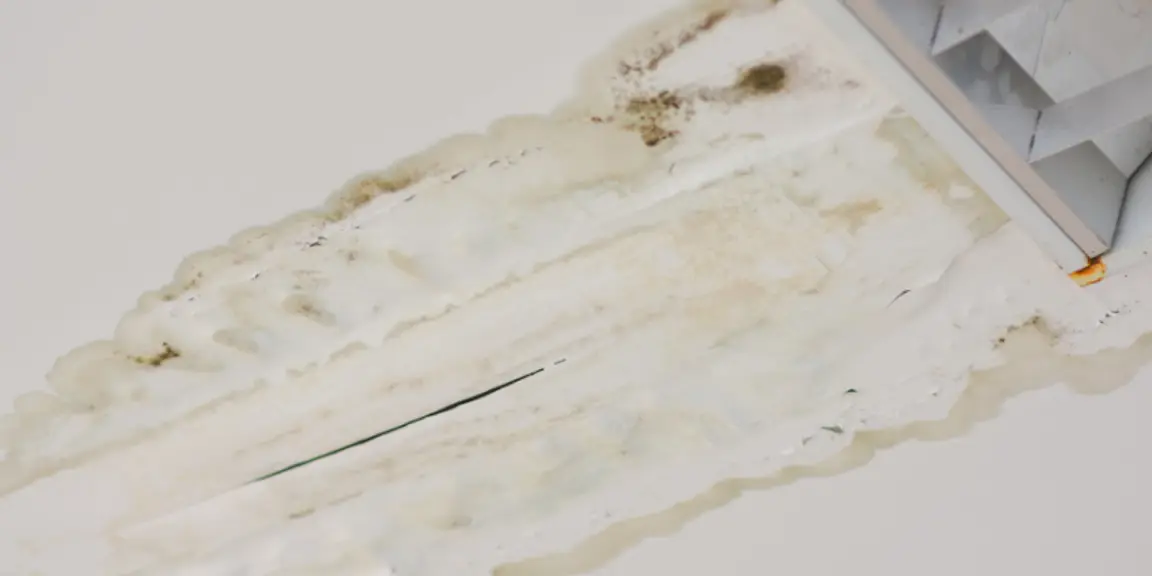

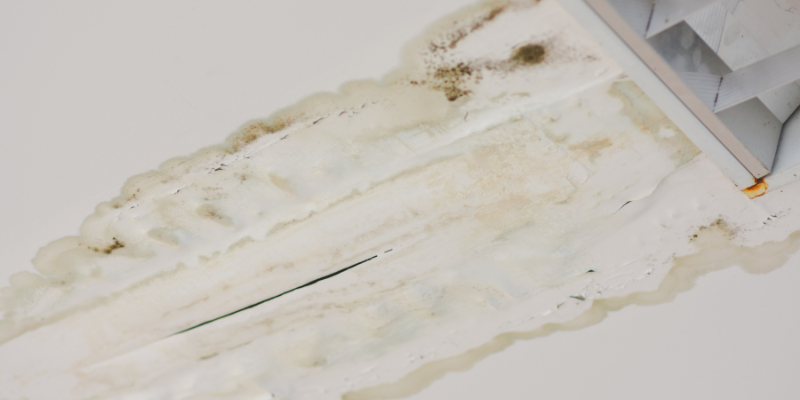
Standing water under your house is one of those problems that doesn’t wait for a convenient time to show up, and selling a house with water in the crawl space in Texas gets complicated fast. One homeowner I worked with only found out about it because her floors started to feel soft near the hallway. By then, the moisture had been sitting there long enough to grow mold on the floor joists. This is the pattern I see again and again: the crawl space goes ignored until it’s unavoidable, and then suddenly you’re wondering if you can even sell the house at all.
You can. And you have more options than you probably think.
Selling a House with Water in the Crawl Space in Texas
The Hernandez family reached out to me this past fall about a rental house they owned in Pflugerville, sitting on a pier-and-beam foundation that had been collecting moisture under the floor for who knows how long. They’d inherited the property from an uncle and were done chasing rent from tenants who kept complaining about musty smells and springy floors. On a Tuesday afternoon, I walked the crawl space with a flashlight and found standing water pooled near the center beam, soft wood on two joists, and a vapor barrier that had mostly turned to confetti. They weren’t interested in managing repairs from out of state, which is a position I’ve seen plenty of out-of-town owners land in. They sold it as-is, closed in about three weeks, and moved on with their lives.
That’s one path. But it’s not the only one, and whether it’s the right one for you depends on your timeline, your equity, and your appetite for managing a repair project before you list.
Statewide, Texas homes had a median sale price of $340,000 in the second quarter of 2026, and homes took 65 days to sell, three days longer than the same period a year earlier. Buyers have more time to shop, more time to think, and more reason to walk away from a house that’s raising red flags. Crawl space water is exactly the kind of flag that triggers second thoughts, and in my experience, it’s often the first thing a cautious buyer’s inspector flags in writing.
A home with an undisclosed or unresolved water issue typically stays on the market longer, attracts lower offers, and often sells for less than a comparable home without damage. Deciding whether to make repairs or sell the property as-is isn’t about right or wrong. It’s about which option makes the most financial sense. If you need to sell your house fast in Dallas, selling as-is can help you avoid costly repairs, skip lengthy listing delays, and move on much sooner.
What Causes Water Problems in a Texas Crawl Space
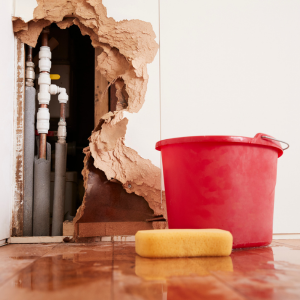
Texas homes are especially prone to crawl space moisture because of a combination of climate and soil conditions. Clay soils across the state expand when wet and contract during droughts, shifting foundations and piers over time. High humidity and frequent rain can push moisture into crawl spaces through vents, poorly sealed perimeters, or ground vapor (the ground itself acts as a wick).
Poor drainage from inadequate grading, clogged gutters, or missing vapor barriers can allow water to collect beneath the home. In neighborhoods like Katy, Sugar Land, and the floodplain communities west of Houston, the soil grade around older pier-and-beam homes often works against the homeowner, directing runoff toward the house rather than away from it. Add a Texas summer storm that drops three inches of rain in an hour, and a crawl space without proper drainage doesn’t stand a chance (I’ve seen standing water reach the floor joists). It’s the single most common setup we run into as cash home buyers in Houston.
Plumbing leaks are another culprit, and they’re sneaky. A slow drip from a supply line under the house can run for months before anyone notices. By then, the insulation is saturated, and the wood has started to soften. I’ve crawled under houses in the Allandale neighborhood of Austin, where a tiny pinhole in a copper pipe had turned a two-foot section of subfloor into something closer to wet cardboard.
Older homes or poorly built crawl spaces may lack the necessary insulation, sealing, or ventilation systems to keep moisture under control. This is especially true for houses built before the 1980s, where vapor barriers were either thin, improperly installed, or skipped entirely, which means a crawl space that looks dry in summer can be soaking wet by February.
What Texas Law Says About Disclosing Crawl Space Water Damage
A seller listed a house in the Sharpstown area of Houston without mentioning the periodic flooding under the floor. The buyer found out during the inspection, demanded a $22,000 repair credit, and threatened to walk. The seller ended up conceding more than they would have spent fixing the problem upfront, which is almost always how that negotiation goes when you hide something. Disclosure done right protects everyone, including the person signing the deed.
Texas requires sellers to complete the Texas Real Estate Commission (TREC) Seller’s Disclosure Notice, a form that asks specifically about water damage, drainage issues, and problems with floors, ceilings, or walls. Checking “No” when you know there’s standing water in the crawl space isn’t a gray area. It’s a misrepresentation, and it opens the door to post-closing legal claims.
Texas courts have held sellers liable for concealing known defects, and water damage is one of the most litigated categories in real estate disputes across the state.
Disclosing the problem does not kill a sale. What it does is shift your negotiating position from reactive to proactive. When a buyer sees an honest disclosure paired with a price that already accounts for the condition, they’re far less likely to use inspection results as a hammer. The sellers who panic and hide things are the ones who end up in mediation, which is a far more expensive outcome than any price reduction would have been.
For more on your legal obligations, Section 5.008 of the Texas Property Code lays out exactly what a seller has to disclose.
Can You Sell a House with Water in the Crawl Space in Texas
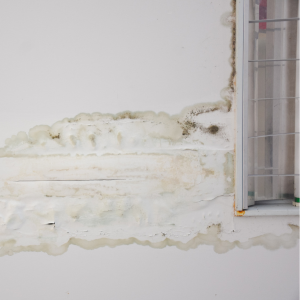
Yes, you can absolutely sell. Sellers do it every week across Texas, through both traditional listings and direct sales to investors and cash buyers.
Your realistic options break down like this. First, repair and list at full market value. With manageable repairs, maybe a vapor barrier replacement, and some drainage work in the $3,000 to $6,000 range, fixing the problem before listing often pencils out. A clean inspection report removes the single biggest reason buyers renegotiate or walk away, protecting more of your asking price through closing.
Second, list as-is with a price adjustment. Price the home to reflect the condition, disclose the issue clearly, and let buyers factor it into their offers. This works better with experienced buyers, investors, or people specifically looking for a project. The pool of qualified buyers shrinks, but it doesn’t disappear because investors who flip houses actively search for exactly this kind of listing.
Third, sell directly to a cash buyer. At Southern Hills Home Buyers, we buy Texas homes in as-is condition, meaning you don’t touch the crawl space, don’t hire contractors, and don’t spend months waiting for a buyer who gets cold feet after the inspection. We make an offer based on the current condition and close on your schedule. For sellers lacking the cash, time, or energy to manage repairs, this is the most rational path.
How Much Does Water in the Crawl Space Hurt Your Home Value in Texas
A lot of sellers go into this expecting a small adjustment, maybe a few thousand dollars off the asking price. What they actually encounter is a buyer who’s just received a repair estimate from three different contractors and is now asking for a credit that wipes out most of the seller’s profit margin.
Crawl space repair costs run anywhere from $1,500 to over $15,000, depending on the severity and the fix required. The buyer’s inspector hands over the report, the buyer calls a contractor, and suddenly they’re asking for a concession sized to the worst-case scenario, even if the actual problem is closer to the low end.
Water damage compounds quickly. Sitting moisture leads to mold, mold leads to wood rot, and wood rot can mean compromised floor joists or beams. Once a buyer’s inspector calls out structural concerns, the lender may get involved, and some loan types won’t close on a house with active water intrusion or significant wood decay. FHA and VA loans in particular carry inspection requirements that make a wet crawl space a deal-breaker with certain buyer pools.
On top of the repair costs, Texas homeowners are already facing a market where sellers often have to reduce their asking price just to get a deal across the finish line. A crawl space problem gives buyers even more negotiating power. The biggest financial impact isn’t always the cost of the repair itself. It’s the ripple effect of a longer time on the market, additional mortgage, tax, and utility payments, repeated price reductions, and the risk of the sale falling apart after the inspection. If you’d rather avoid costly repairs and endless negotiations, we buy houses in Texas in as-is condition. Skip the hassle, sell your home quickly, and get a fair cash offer without fixing crawl space issues or worrying about buyer demands.
What Buyers in Texas Think When They Hear “Crawl Space Water”
Why does a buyer’s agent sometimes kill a sale before the buyer even flinches? Agents know which issues will torpedo a deal at the lender level or produce the biggest repair estimates, and they steer clients accordingly. A buyer who might’ve been willing to take on a project gets talked out of it when their agent starts calling it a “major red flag.”
Financed buyers, particularly those using FHA or VA loans, are typically blocked from closing on a house with active moisture intrusion, regardless of their personal willingness to deal with it. The loan underwriter has the final word, and that word is frequently no. This limits your buyer pool to cash buyers and conventional buyers with large enough down payments to accept the risk, leaving you competing for a much smaller slice of the market.
Buyers who do stay interested will use the crawl space problem as a baseline for negotiating down every other item on the inspection report. A water heater that’s seven years old might normally pass without comment, but in a house with a wet crawl space, it becomes another line item in the credit demand.
What is a buyer actually worried about when they hear “water under the floor”? Mold. They’re not thinking about repair costs first; they’re thinking about air quality, health, and whether they’re buying a house that’s going to make their family sick. Once that fear is planted, logic doesn’t always dislodge it. The best counter is a current professional remediation report showing the problem has been addressed. Short of that, pricing has to do the convincing.
How to Check Your Crawl Space for Water Issues Before Listing
Getting ahead of the problem before you list is almost always worth the effort, even if you’re not planning to fix anything. Knowing exactly what you’re dealing with lets you price accurately and avoid surprises mid-contract.
Start by looking for obvious signs without going under the house. Soft or spongy spots in your flooring are a giveaway. A musty smell that gets stronger near floor vents is another. Rising energy bills can also point to poor insulation or air leakage from a compromised crawl space (worth checking before winter heating season).
If you go under yourself, use a flashlight and look for standing water, discoloration on the concrete piers or beams, white mineral deposits on the foundation walls (a sign of past water movement), and any insulation that’s hanging down or clearly wet. A damaged or missing vapor barrier is a reliable indicator that moisture has been making its way up from the ground for a long time, and in my experience, it’s almost never a recent development.
A licensed home inspector or foundation specialist can give you a written assessment for a few hundred dollars. That report becomes a negotiating tool: you either use it to set your as-is price with confidence, or you use it to scope out repairs before a buyer’s inspector gets there first and surfaces problems you hadn’t priced in.
The Environmental Protection Agency has guidance on mold and moisture in the home that’s worth reading if you’re trying to understand how moisture moves through a structure and what mold conditions actually look like.
How to Fix or Minimize Crawl Space Water Problems Before You Sell
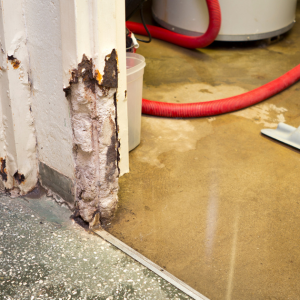
“If fixing the crawl space made financial sense, I would have done it already.” That’s the exact objection I hear most often, and it’s not wrong on its face. But there’s a difference between a full remediation and targeted, low-cost steps that meaningfully change how buyers and their inspectors react.
You don’t have to spend $10,000 to move the needle. A working sump pump installed in a crawl space that collects water can run a few hundred to a couple thousand dollars installed. A fresh vapor barrier over a properly dried crawl space floor typically costs $1,200 to $3,000, depending on square footage, and it’s one of the highest-visibility repairs on an inspection report. Minor problems like light mold or damp insulation can be addressed quickly by a remediation contractor, typically without triggering the kind of full structural report that sends buyers running.
Improving exterior drainage costs even less. Re-grading the soil away from the foundation, extending downspouts, and cleaning gutters are the kinds of things a handyman can knock out in an afternoon. A buyer’s inspector walking through a crawl space that’s dry, smells clean, and has a new vapor barrier writes a very different report than one who finds standing water and black mold on the joists.
If the scope of the damage goes beyond minor moisture, getting a licensed structural engineer’s report is money well spent. It tells you exactly what’s load-bearing, what’s cosmetic, and what can wait. Armed with that report, you can have a real conversation with buyers instead of watching them invent repair costs in their heads.
How to Price Your Texas Home Fairly When Water Problems Exist
Pricing based on what the home would be worth after repairs, minus repair costs, sounds clean, but consistently produces prices that sit without offers, because buyers factor in risk, time, and hassle on top of the actual repair number.
Marcus Holloway called me about a house in Conroe with a crawl space that had taken on water after back-to-back wet seasons. He’d been told by a well-meaning friend to “price it down by the repair cost” and list it. Three weeks and two dead sale later, after both buyers bailed during inspection, he changed strategies. A fair as-is price, presented transparently from the beginning, brought in a buyer who actually closed, which in my experience is almost always how it plays out when the seller stops hiding the problem. We see the same thing as cash home buyers in Conroe, where honest pricing moves a house that a repair-cost discount could not.
Pricing a home with a known water problem requires accounting for three things: the repair cost itself, the carrying cost of time on market (mortgage, taxes, insurance, and utilities don’t pause), and the buyer’s risk premium, the extra discount buyers demand simply for taking on uncertainty. That third item is the one sellers usually forget.
With Texas days on market elevated and inventory at 5.4 months as of the second quarter of 2026, a house with a disclosed water problem competing against clean listings in the same price band will sit unless the price reflects reality. The Texas REALTORS quarterly market report is a useful reference for understanding how to position a home against current comps, and it’s worth checking before you set your number.
Our team at Southern Hills Home Buyers buys houses for cash and can provide a no-obligation, no-pressure offer that shows you exactly what your home is worth in an as-is sale. Use that offer as your baseline. If repairing and listing your home will leave you with significantly more money after factoring in repair expenses, holding costs, and the time it takes to sell, that may be the better route. If it won’t, selling directly could save you time, stress, and uncertainty. Either way, you’ll have the information you need to make the right decision. Call us today to get your free cash offer.
Frequently Asked Questions
Can You Sell a House with Water in the Crawl Space?
Yes, you can sell a house with water in the crawl space in Texas. Your options include repairing the issue before listing, pricing the home as-is on the open market, or selling directly to a cash buyer who purchases homes in any condition. The right path depends on your repair budget, timeline, and the current market in your area.
How Serious Is Water in a Crawl Space?
Water in a crawl space ranges from a minor inconvenience to a genuine structural problem, depending on how long it’s been there and how much there is. Prolonged moisture can produce mold, rot floor joists, and compromise the structural integrity of the home’s subfloor. Getting a professional inspection is the fastest way to know exactly what you’re dealing with before you commit to a plan.
What Should You Not Fix Before Selling a House?
Major renovations that don’t translate directly to sale price are usually not worth doing right before you sell. Full kitchen remodels, premium upgrades, and cosmetic improvements that a buyer will likely redo anyway rarely return their cost at closing. Focus repair dollars on items that affect safety, habitability, or lender approval, which is exactly where crawl space water falls if it’s severe enough to affect structural components.
Do Sellers Have to Disclose Water Damage in Texas?
Yes. Texas law requires sellers to complete the TREC Seller’s Disclosure Notice, which asks directly about water damage, flooding, and drainage issues. Knowingly concealing a crawl space water problem is a misrepresentation that can expose you to post-closing legal liability. Honest disclosure, paired with accurate pricing, is both the legal and the practical requirement.
If you’ve got water in the crawl space and you’re not sure which direction makes sense, reach out to Southern Hills Home Buyers. We work with Texas homeowners in exactly this kind of situation, no pressure, no obligation, just a straight conversation about your options and a real number to work from.
Helpful Texas Blog Articles
- Who Pays Real Estate Agents In Texas?
- Selling Tenant-Occupied Property In Texas
- How To Sell A House By Owner In Texas
- Earnest Money Rules In Texas
- Texas Tenant Rights
- How Will Medicaid Know If I Sell My House
- How To Get Your House Appraised For Free
- Do You Need A Lawyer To Add A Name To A House Deed?
- Short Sale vs Foreclosure Explained
- Can You Sell A House With A Mortgage In Texas
- How Long Can You Go Without Paying Your Property Taxes In Texas
- Selling A House With Water In The Crawl Space In Texas
- Difference Between Title and Deed
- Selling A House Without Permits
- Can You Pause Mortgage Payments While Selling a House in Texas?