
A popcorn ceiling, a rented scraper, and one free Saturday. That combination has caused more asbestos headaches than anything else I’ve run into buying older houses. Most homeowners I meet learn about testing after the dust is already in the air. The good news is that the cost for asbestos testing in a house usually runs less than people brace for. The lab bill is usually the smaller half of it, and some of the spending is optional.
What Type of Asbestos Survey Do I Need?
Most people picture something simple: call somebody, get the house tested, move on. That picture falls apart about ten minutes into the call, because any decent inspector will ask what you plan to disturb before quoting a price. Your answer decides which survey you’re paying for, and it shapes the bill more than square footage does.
Two basic types cover most homes. A limited survey targets specific materials, like the floor tile you’re tearing out or the ceiling texture in one bedroom. Thermal insulation wrapped around a basement duct is another common target. A full pre-renovation or pre-demolition survey covers every suspect material in the building. That’s what a contractor needs before a gut job.
The U.S. Environmental Protection Agency’s homeowner guidance is narrower than most people think. EPA says you don’t need to test material in good shape unless you plan work that will disturb it. Testing makes sense when suspect material is damaged, meaning fraying or crumbling, and intact floor tile under your feet that nobody’s touching isn’t an emergency.
Paying for a whole-house survey when you’re only replacing a kitchen floor is wasted money. I’ve watched sellers spend four figures chasing a report no buyer asked for. Match the survey to the work, not to your nerves. Planning an as-is sale with no renovation? Ask your buyer whether they even want a survey before you pay for one.
If you’d rather skip the testing and renovation costs, Southern Hills Home Buyers can make a cash offer for your house as-is. Get a fair offer without spending money on surveys or repairs.
Do I Need an Asbestos Survey Before Renovating?
Roughly 47% of owner-occupied homes in the U.S. were built before 1980. The median owner-occupied home hit 42 years old in 2024, according to a March 2026 analysis by the National Association of Home Builders. NAHB drew both figures from American Community Survey data. Plenty of those houses still hold mineral-based building products from the asbestos era, and I’ve walked through a lot of them.
A while back I bought a property in Mesquite, Texas from an heir living in Oregon. She’d fallen three months behind on her late father’s mortgage, and the auction date was already set. His garage still held stacks of old pipe insulation from a 1970s job site. Testing that pile before the sale was never going to fit the calendar she had left. If you’re in a similar spot, you can sell your house for cash in Texas without testing anything first.
Federal rules draw a line most homeowners never hear about. The asbestos NESHAP standard makes owners of regulated buildings run a thorough inspection before demolition or renovation. EPA doesn’t count an isolated house with four or fewer dwelling units as one of those buildings. The agency also says the rule doesn’t apply when a homeowner renovates their own home.
Don’t read that as permission to skip testing. Many states, cities, and counties add their own permit rules on top of the federal one, and your contractor may need a survey to pull a permit. Before you tear out a wall or pull up old flooring, call your local building department. Ask whether your project needs an asbestos survey first.
If you’d rather sell your home without dealing with asbestos testing or renovation requirements, contact us for a fair cash offer. We’ll buy your house as-is, with no repairs or cleanup required.
How Much Does a Domestic Asbestos Survey Cost?
Any company quoting you a flat price before asking the age of the house and how many materials worry you is guessing.
Angi’s data gives you a solid anchor for national pricing. Its current cost guide puts the average asbestos test at $484, with most jobs landing between $231 and $777. Physical sample testing is by far the most common kind. It generally runs $250 to $750, including collection and analysis.
A standard home inspection won’t cover this. Your home inspector will flag suspect material and recommend a closer look. They won’t take samples unless they hold a separate asbestos certification. Bringing in a second inspector alongside the general home inspection usually adds $200 to $800. It’s worth checking who pays for the appraisal and inspection in Texas before you add a second inspector to the bill.
If your inspector happens to carry both credentials, you’ll often pay less, since they’re already in the crawlspace with a ladder. Ask about dual certification when you book, because one quick question can save a second appointment.
One caution is worth taking seriously. An outfit that both runs the test and bids the abatement has a conflict of interest baked in. I’d rather pay a separate inspector and keep the report honest. If the company that found the asbestos also wants to remove it, get a second opinion from someone with no stake in the cleanup.
What Affects the Cost of an Asbestos Survey?
Two houses on the same block, same builder, same year. One survey came back at the low end of the range, and the other cost nearly double. Vermiculite attic insulation and a wrapped boiler flue meant climbing into two tight spaces with containment gear.
Sample count drives price more than anything, because each extra sample adds lab fees and inspector time. A house with floor tile in three rooms, two ceiling textures, and old siding piles up samples fast. Ask the inspector how many they expect to pull before you book, and the invoice won’t catch you off guard.
Access matters almost as much. Crawlspaces, knee walls, and attics with blown insulation slow an inspector down, and labor is what you’re paying for. Clear a path to the attic hatch and crawlspace door before the visit, and you’ll shave some time off the bill.
Where you live swings the price too. Dense metro markets price higher, and one New York City firm quotes asbestos testing from $250 to $1,200 or more, depending on property type and method. Smaller towns often run cheaper, though a shortage of local inspectors can add a travel charge. As a cash-for-houses company in Fort Worth and other Texas cities, we understand that local testing costs can affect your selling decisions.
Turnaround speed is a lever you forget you’re pulling until closing day forces the issue. Angi says lab results usually come back within a day or two of collection. Need them tomorrow morning because closing is Friday? Rush work runs extra, and the FAQ below covers timing.
Last, the condition of the material counts. Crumbling insulation takes more careful handling than a sheet of intact floor tile, and careful handling costs money.
How Much Does Air Testing for Asbestos Cost?
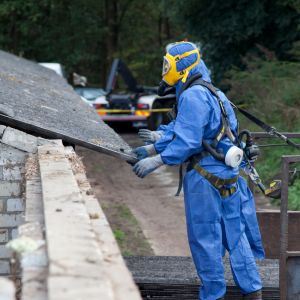
“My house isn’t a construction site, why would I pay to test the air?” Fair question, and most of the time you shouldn’t.
Air testing measures fibers floating in the air right now. It’s the right tool after a disturbance, like a scraped ceiling or a pipe wrap that tore open. Water damage that crumbled old insulation counts too. It’s also the standard clearance test after asbestos removal, run before anyone moves back in. If none of that has happened in your home, a bulk sample is usually the better use of your money.
What it won’t do is tell you whether your floor tile contains asbestos. Intact material doesn’t shed fibers, so a clean air result in an undisturbed room proves almost nothing about what’s inside the walls. To learn what a specific material contains, an inspector cuts a small piece and sends it to a lab.
Angi puts a typical residential air test at around $500. Transmission electron microscopy, the method used for fine fiber analysis in air samples, costs more per sample than standard bulk analysis. Ask whether the quote covers lab fees and the written report, since some inspectors list those separately.
The health stakes are why this test exists at all. Long-term exposure to asbestos is tied to asbestosis, a scarring of the lungs, and to mesothelioma. That cancer can surface decades after the exposure that caused it. It’s also why I tell owners not to mess with DIY sampling of friable material.
How Do I Find an Asbestos Surveyor Near Me?
This is where most homeowners get stuck. Search “asbestos inspector near me” and you’ll get a mix. Some are real industrial hygienists, while others are abatement companies hunting for removal work, or general contractors who took a weekend course.
Start with your state’s environmental or health department. States run inspector accreditation under EPA’s Model Accreditation Plan, which grew out of AHERA, the federal asbestos law for schools. That accreditation is the credential you want to see. Ask the inspector for their accreditation number and confirm it with the issuing agency yourself.
Ask a few questions before you book. Are you state-accredited for inspection? Which NVLAP lab do you use? Do you also perform abatement? That last answer tells you whether their incentive lines up with yours. An inspector who also handles removal earns more when the report finds more asbestos, so many homeowners prefer someone independent.
Verify the inspector’s insurance too. A surveyor collecting samples in your home should carry liability and pollution coverage. Ask for a certificate of insurance before the visit, and don’t feel awkward about it, since reputable surveyors get this request all the time.
Pricing varies enough locally that two or three quotes are worth the phone calls. I’ve seen identical scopes quoted hundreds apart in the same county. Usually one inspector planned twice the samples, so ask each one how many they intend to pull and why.
What Asbestos Testing Means If You’re Selling the House
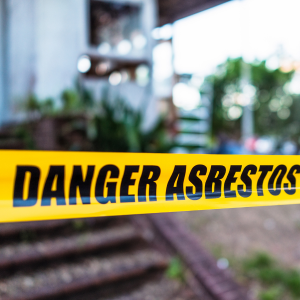
If a buyer’s inspector flags suspect material, you have three moves. You can test it, disclose what you know and sell as-is, or remove it. All three are fair.
Seller disclosure rules vary by state, and they tend to ask about what you know rather than send you hunting for asbestos. Running a test turns a suspicion into a known fact you must disclose. That’s why some sellers price the unknown in and let the buyer investigate.
If you’ve already tested, hand the lab report to buyers with your disclosures. A clear answer usually lands better than a vague note that something might contain asbestos. Intact material that nobody plans to disturb tends to be lower risk than the word suggests, and a report showing that can settle a nervous buyer. Keep copies of the results and any abatement paperwork, because questions sometimes come up after closing.
Asbestos testing before listing makes sense when you’re renovating to sell anyway, since you’d pay for the survey either way. Skipping it makes sense when the house is going to a cash buyer who’ll handle abatement themselves, and I’ve seen that save sellers real hassle. As investor home buyers in Arlington and the surrounding Texas cities, we buy houses with known asbestos in place, taking the testing and removal decision off your plate.
A seller in Waco got a job transfer with five weeks to be out, and packing ate two of them. Her 1972 house had popcorn ceilings throughout and original floor tile in the utility room. Sampling, lab turnaround, and an abatement bid weren’t going to fit. She sold as-is and closed before the moving truck came.
Frequently Asked Questions
Can I Test for Asbestos Myself?
Yes, though EPA recommends a trained, accredited professional take the samples. HomeAdvisor lists DIY kits at about $30 each, and the lab analysis is the same kind an inspector would order. The risk is in the collection. Scraping a sample off a popcorn ceiling without wetting it first, or without containing the area, can release more fiber than the material would shed in a decade of sitting there. If you do it yourself, follow the kit instructions exactly. Wet the material, wear a proper respirator, and seal the sample twice.
Does Asbestos Have to Be Removed Before Selling?
Federal rules don’t require removal before a sale. Intact, undisturbed asbestos can stay in place, and in many cases leaving it alone is the safer choice. Removal comes into play when a renovation or demolition would disturb the material. That trigger belongs to whoever does the work, not to the transaction itself. Your state’s disclosure form is where your duty as a seller usually sits. Our guide to selling a house with asbestos in Texas walks through what to disclose and what removal tends to cost.
How Long Does Testing Take Start to Finish?
Plan on about a week. Collecting a single sample can take under 20 minutes, per Angi, though a whole-house inspection takes longer. Lab results often come back in a day or two, and the written report can lag behind. Labs sell turnaround tiers from 24 hours up to five days or more, and the faster tiers cost more. If you’re mid-negotiation with a deadline, ask for rush when you book, not after the samples are already sitting in the queue.
If your house has popcorn ceilings or old tile and you’d rather not manage any of this, reach out to us at (214) 225-3042 and we’ll make a cash offer to buy the house as it sits. There’s no pressure, and no hard feelings if testing and listing turns out to be the better path for you. Southern Hills Home Buyers is ready to help you explore a straightforward cash sale without repairs or cleanup.
Helpful Texas Blog Articles
- Can You Work With More Than One Realtor?
- Can I Sell My House and Still Live in It?
- Selling Investment Property in Texas
- Who Pays the HOA Fees at Closing in Texas
- Will Selling My House Hurt My Credit
- How to Choose a Title Company
- How Long Does It Take to Force Sale of Property in Texas
- How to Find a Realtor in Another State
- How Long After Closing Does a Home Seller Get Their Money
- Court Ordered Sale of Property Explained for Homeowners and Buyers
- Cost for Asbestos Testing in a House