


Most Texas homeowners figure they’ve got time. Bills come in, life gets busy, and the thought is: “I’ll deal with it next month.” That’s a reasonable instinct in most financial situations. Property taxes in Texas don’t work that way. How long can you go without paying your property taxes in Texas? Less time than most owners expect, and the answer depends far more on which county you are in than on the size of what you owe.
The Texas Property Tax Calendar Is Not Forgiving
Every January 1, a tax lien attaches to your property by law. Not because you’ve done anything wrong. Not because you missed a payment. It attaches automatically to every single piece of taxable property in the state, as a legal placeholder for the taxes that will come due later that year. Taxes are due by January 31, and the moment that deadline passes, they’re considered delinquent (I’ve seen this trip up owners who paid late, thinking grace periods applied), with penalties and interest starting to pile up from February 1 forward.
People often think the county sends a few warning letters and then waits years before doing anything serious. Some do wait. Others don’t. State law in Texas doesn’t require counties to follow a single timeline, so some homeowners face foreclosure much sooner than they’d expect, depending on which county they’re in. A homeowner in Pflugerville and one in Corpus Christi can be in identical situations and face completely different speeds of escalation, which means the county you happen to live in matters more than the size of your debt.
I worked with the Coleman family in Cedar Park last winter. They had a house with a detached garage stacked with woodworking equipment and a tax bill that had rolled unpaid across two years. They’d been quietly covering two mortgages for almost a year after a job relocation, thinking the property taxes were lower priority. By the time they called me on a Thursday, the county had already begun the legal process. Two years of silence from the tax office, then everything moved fast at once, which is how it almost always goes in my experience.
The gap between “nothing is happening” and “a lot is happening” is the part that catches people. Texas gives no official grace window after delinquency. Under Texas Tax Code Section 33.41, taxing authorities can start foreclosure at any point after taxes become delinquent. There’s no mandatory waiting period of one year or two years. The calendar simply doesn’t work in a delinquent owner’s favor, and I’ve watched that reality surprise sellers who assumed they had more runway than they did.
What Is a Property Tax Lien and How Does It Affect Your Home?

Skip understanding this part, and you could make a very expensive mistake. The lien isn’t just paperwork. It’s a legal claim against your property that supersedes most other interests, including your mortgage.
A property tax lien attaches to your home on January 1 of each tax year, and it cannot be ignored or sold around. It has to be cleared before ownership can transfer or a new loan can fufill. The full delinquent balance (penalties and interest included) gets paid off out of your proceeds at closing when you sell, and it has to be settled before a lender will approve a cash-out refi. No exceptions.
Once taxes go unpaid, the taxing authority holds a legal claim against the home until every dollar of that debt is satisfied. This isn’t a soft lien that can get negotiated down or deferred at closing. Texas treats property tax liens as senior obligations, sitting ahead of most mortgage liens in priority, so a title company won’t close the deal until that balance is cleared.
What does that mean for you practically? Your equity is being quietly consumed. According to WalletHub’s 2026 report, Texas homeowners are paying a median of $4,232 in property taxes this year, based on a median home value of $283,800. Miss two or three years in a growing area like the Heights in Houston or Oak Cliff in Dallas, and you can be talking about $12,000 to $15,000 in base taxes before a single dollar of penalty is added, leaving a hole that gets deep faster than most owners expect. Real equity is walking out the door.
A property tax lien will also appear during a title search, allowing buyers and their title companies to identify the issue before closing. While a tax lien doesn’t prevent you from selling, it must typically be paid off using your proceeds at closing. If you’re looking to sell your house fast in Dallas, resolving the lien as part of the transaction can help streamline the sale and avoid unnecessary delays.
Penalties, Interest, and Fees That Stack Up on Unpaid Texas Property Taxes
February 1 is when the meter starts running, and it runs hard.
The moment taxes go delinquent, a 6% penalty plus 1% interest hits immediately, 7% in total. From there, the penalty and interest grow by another 2% each month through June, then a 20% collection fee typically lands on July 1 to cover legal and administrative costs. Do that math on a $4,000 annual tax bill, and the penalties and interest alone run about $720 by July, before the 20% collection fee pushes the total added charges past $1,600, just from one year’s delinquency.
After July, monthly charges keep accumulating, and within the first year alone the total penalty load can reach roughly 48% of the original tax amount. On a house in the Allandale neighborhood of Austin, where property taxes can run well over $8,000 a year, that penalty figure means thousands in penalties stacked on top of what you already owed, leaving the original bill almost unrecognizable by the time most sellers finally open the statement.
The attorney fee is the one that surprises people. When the taxing authority hands the account to a collection attorney, an additional 20% can get tacked onto the whole balance, covering penalties and base taxes combined. The charge doesn’t wait for foreclosure to begin. It triggers once the account moves to legal collection (often a quiet administrative step), which can happen months before a court date.
Two or three years of unpaid taxes compound fast. By year two, you may owe close to double the original tax amount because the penalties and interest stack on each other, not just on the base. This is the math that pushes people into decisions they wouldn’t otherwise make.
How Long Before Texas Can Foreclose on Your Home for Unpaid Property Taxes?
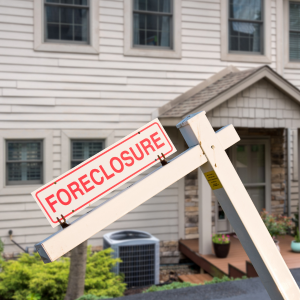
A homeowner in Beaumont went six months without paying and received a suit notice. A homeowner in a rural county southwest of San Antonio waited nearly three years before the county moved, leaving the timeline dependent almost entirely on where the property sits. Both outcomes are legal under Texas law.
Some taxing entities wait months or even years, while others act more quickly, sometimes within a few months of the original due date. How fast a county moves depends on its own policies and collection history. Don’t assume the slow county in the story you heard from your neighbor applies to yours.
If foreclosure is pursued, the taxing unit must first obtain a court judgment, after which a Notice of Tax Sale is issued with the date, time, and location of the auction. This notice is delivered by mail or in person and published publicly per Chapter 34 of the Texas Property Tax Code, making the sale part of the public record before it ever happens.
Once the property sells at auction, the redemption clock begins. For homestead properties, Texas gives you two years after the tax sale to pay off the purchaser and reclaim your home, but you’ll owe the sale price plus a premium of 25% in the first year or 50% in the second. That’s not cheap. And if the property wasn’t your primary residence, the redemption window shrinks to just six months.
Are you clear on which category your property falls into? This distinction matters more than most people realize when they’re calculating how much time they actually have.
Ways to Stop Property Tax Foreclosure Before You Lose Your Texas Home
Most articles on this topic lead with payment plans, but there’s a step most skip: you can sometimes get delinquent penalties reduced or waived through a formal waiver request to the tax office, particularly if the delinquency was caused by documented hardship or a billing error. It’s not guaranteed, but it costs nothing to ask before you start paying attorney fees.
With that in mind, here are the real options:
Paying the full balance clears the lien and stops everything. If you can borrow from family, pull from a retirement account, or refinance with enough equity to cover it, that’s the cleanest path.
You can also set up an installment plan with the tax office or work through a licensed property tax lender to pay off the full amount and restructure repayment on your terms. Property tax loans from state-licensed lenders pay the county in full, which stops the penalty clock and the foreclosure process (I’ve seen this buy homeowners years of breathing room), and then you repay the lender over time.
Texas also offers a tax deferral for homeowners over 65 or those with qualifying disabilities. It doesn’t erase the taxes, but it does pause foreclosure and stop additional penalties from accruing.
Selling your property is often one of the most overlooked solutions when property tax debt has become overwhelming. If your home has enough equity, selling can provide the funds needed to pay off the entire tax balance, clear the tax lien during closing, and potentially leave you with remaining proceeds. If time is running short, we buy houses in Texas in any condition and can help homeowners avoid the uncertainty of a tax foreclosure. Southern Hills Home Buyers has extensive experience purchasing homes with tax liens, understands how these liens are resolved at closing, and can move quickly to help you sell before foreclosure deadlines become a bigger problem.
When Is the Right Time to Take Action on Delinquent Property Taxes in Texas?

Some homeowners say: “I’ll wait until I get an official court notice before I panic.” That logic makes sense for a lot of financial problems. Property tax delinquency is one where waiting for the official notice means you’ve already lost most of your leverage.
By the time a formal suit hits your mailbox, attorney fees have attached, penalties are deep, and the county is already on a timeline. Your options haven’t disappeared, but they’re narrower and more expensive. Acting before the account moves to legal collection saves substantially on attorney fees alone, which on a two-year delinquency could easily be a four-figure amount.
In Harris County alone, foreclosure filings in 2025 were up over 45% compared to 2024. Counties are moving faster and more aggressively than they were even a year ago, and that’s a real signal. Sitting on a delinquency today carries more risk than it did five years ago, and I’ve watched that window shrink considerably in the time I’ve been buying houses.
The right time to act is the day you realize you can’t pay the bill in full, not when a notice arrives or after the July penalty hits. The window when your options are widest and cheapest is right now.
If a full payoff isn’t possible and the equity is there, a conversation with a local buyer like Southern Hills Home Buyers can help you understand what the property would net after the tax lien is cleared at closing. That number often surprises people in a good way, especially in markets like Fort Worth’s Fairmount neighborhood or San Antonio’s Tobin Hill where values have held up well. We buy houses in Fort Worth and act as cash home buyers in San Antonio, so we can put a number on a tax-lien property in either market quickly.
When Selling Becomes the Smartest Exit
Maria Mitchell called me about a bungalow in Garland on a Wednesday morning. She’d inherited the house from her mother, and a contractor’s estimate to get the kitchen and roof into sellable condition came back higher than the house’s assessed value. Two years of unpaid property taxes on top of that. The garage was full of vintage furniture, untouched since the 1990s.
She didn’t need a renovation loan. She needed to stop the bleeding. Selling as-is to a direct buyer cleared the tax debt at closing, covered the lien, and still left her with money she could actually use. No repairs, no listing period, no open houses. The furniture stayed in the garage, and the buyer handled it (a common close-out arrangement in these sales).
This is where Southern Hills Home Buyers can make a real difference. We buy houses for cash in any condition, including properties with tax liens and other financial challenges. Our team understands how to navigate lien payoffs during the closing process, so you don’t have to worry about making repairs, cleaning up the property, or handling complicated paperwork. If you’re facing mounting tax debt or a looming foreclosure deadline, call us today to discuss your options and get a fair cash offer.
Frequently Asked Questions
What Happens If You Don’t Pay Property Taxes in Texas?
Failing to pay by the January 31 deadline triggers a cascade of penalties, interest, and legal fees that can put your property at risk of a tax lien, public auction, or foreclosure. The county can file a lawsuit against you, obtain a court judgment, and ultimately sell your property at a public tax auction to recover what’s owed. You’ll receive written notice before the sale, but by that point, the balance owed has grown well beyond the original tax amount.
At What Age Do They Freeze Property Taxes in Texas?
Texas doesn’t freeze property taxes at any age, but homeowners who are 65 or older do qualify for a school district tax ceiling, which limits how much school taxes can increase on their primary residence. Seniors also qualify for a tax deferral that pauses foreclosure and stops additional penalties, though it doesn’t eliminate the taxes themselves. The deferred balance still accrues interest at a reduced 5% a year instead of the standard penalty and interest schedule, and the whole amount becomes due when the home is sold or the owner passes.
Are Property Taxes Paid First at Foreclosure?
Yes. Property tax liens in Texas carry senior priority over virtually every other claim on the property, including mortgage liens. When a home sells at a tax auction, the proceeds go to satisfy the delinquent taxes, penalties, and legal fees before any other creditor sees a dollar. The winning bidder receives a deed to the property, subject to the right of redemption. Any surplus above the judgment amount is returned to the prior owner, but don’t count on a surplus when penalties and attorney fees have been stacking for years.
What Is the New Law in Texas About Property Taxes?
The most recent change came in November 2025, when Texas voters approved Proposition 13 and raised the homestead exemption for school district taxes from $100,000 to $140,000, retroactive to the 2025 tax year. Voters approved Proposition 11 the same day, which lifted the extra school tax exemption for homeowners who are 65 or older or disabled from $10,000 to $60,000, bringing their combined exemption to $200,000. Both changes lower the taxable value on a primary residence, but neither one touches the delinquency timeline or the penalty structure, so if you’re already behind, the larger exemption doesn’t reduce what you owe. You can check current Texas Comptroller property tax resources for the most up-to-date guidance on exemptions and rates.
If your property taxes are past due and you’re trying to figure out what your options actually look like, Southern Hills Home Buyers is happy to walk through the numbers with you, no obligation. Reach out to us and find out what your home is worth as-is, with the tax lien factored in. Sometimes knowing the number is all you need to make a clear decision.
Helpful Texas Blog Articles
- Who Pays Real Estate Agents In Texas?
- Selling Tenant-Occupied Property In Texas
- How To Sell A House By Owner In Texas
- Earnest Money Rules In Texas
- Texas Tenant Rights
- How Will Medicaid Know If I Sell My House
- How To Get Your House Appraised For Free
- Do You Need A Lawyer To Add A Name To A House Deed?
- Short Sale vs Foreclosure Explained
- Can You Sell A House With A Mortgage In Texas
- How Long Can You Go Without Paying Your Property Taxes In Texas
- Selling A House With Water In The Crawl Space In Texas
- Difference Between Title and Deed
- Selling A House Without Permits
- Can You Pause Mortgage Payments While Selling a House in Texas?