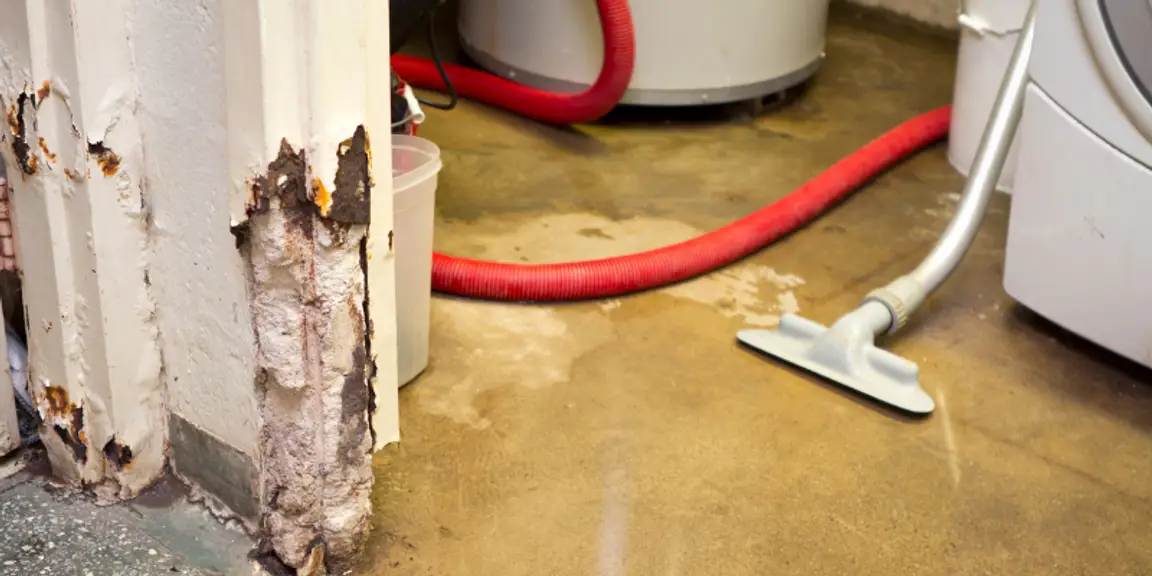

You get the keys back, push open the front door, and your stomach drops. Holes in the walls. Carpet that smells like a kennel. A bathroom nobody has mopped in years. Every Texas landlord I know has a version of this story. Most of them weren’t ready for it.
Tenant property damage doesn’t have to end in a loss, though. Take the right steps in the right order, and you’re in a strong spot to get your money back, protect what you own, and skip the long legal fight. I’ve been in that fight. You don’t want it.
Wear and Tear Vs. Actual Damage in Texas
Landlords argue with me about this one constantly. Tell them they can’t bill a tenant for faded paint or a carpet that’s seven years old, and you’ll get pushback. “They lived there; it was their mess,” is the usual line. Texas law reads it another way, and justice court judges side with tenants far more often than landlords expect.
The Texas Property Code defines normal wear and tear as deterioration that comes from the intended use of a home, including breakage or malfunction from age or deteriorated condition. Faded paint, worn carpet, small nail holes. Those costs sit with you, the property owner, and the statute says plainly that you may not keep any part of a deposit to cover them.
Damage is what the same code calls deterioration from negligence, carelessness, accident, or abuse by the tenant, their household, or their guests. Gaping holes in walls, unapproved paint jobs, broken fixtures, ruined carpet. All of that lands on the tenant, and you can take it out of the security deposit.
My test is simple. Would this happen to any home where someone lived that long? A scuff on a baseboard after three years is wear. So is a door hinge that’s gone loose after a thousand swings. A fist-sized hole in the drywall isn’t. Pet stains soaked into the subfloor aren’t either.
Smart landlords use HUD life expectancy guidelines to set fair repair charges, because a deduction has to account for an item’s age and the life it had left. A carpet with two years of useful life left earns a smaller deduction than a brand-new one. So you can’t bill full replacement cost and call it done. Charge the wrong number, and a judge may toss the whole deduction.
Keep a running inventory of when you installed the big stuff. That one habit keeps landlords from guessing, and from overcharging, at move-out. Put those install dates in a lease addendum too. The tenant sees the same numbers you will.
Most Common Types of Tenant Property Damage Landlords Face
About 23.3% of landlord-owned rental properties have needed or still need substantial renovations. Sounds high. Then you see what five years of neglect does to a unit. Wear spreads evenly. Damage clusters in the same few places.
Walls take the worst of it. Big anchor holes, doorknobs punched through drywall, paint colors that need two coats of primer. Broken doors and cracked tile show up constantly. So does appliance damage from misuse of ovens, fridges, or HVAC systems, because Texas tenants run the AC hard from April to October. Then there’s water damage from leaks nobody mentioned, plus flooring trouble: pet stains, burns, deep scratches in hardwood and carpet.
Flooring is where I watch landlords lose the most money. One unreported pet can wreck hardwood that costs several thousand dollars to sand or replace. Carpet soaks up everything and shows every sin once you pull it, especially near doorways and vents.
Even 13% of rental properties see broken or damaged kitchen items each year. That works out to roughly 5.59 million rental homes needing fixes. Ranges, fridges, and dishwashers lose years when a tenant never cleans them or runs them wrong.
Smoke damage belongs here, too. Nicotine bleeds through primer, and one heavy smoker can cost a landlord a full reseal. Ask your insurer whether your policy covers it.
Mold earns its own spot on this list because it straddles damage and habitability, and North Texas humidity gives it plenty of help. A tenant who blocks vents, skips the exhaust fan, or sits on a slow drip for months can hand you a remediation bill bigger than everything else here combined. Get inside the property once a year for a routine maintenance walkthrough. In my experience, that visit catches moisture problems before they turn into five-figure ones. It saves more money than any clause in the lease.
Good screening beats all of it, though. A landlord who calls two prior references spots the damage pattern before the deposit or the rent changes hands.
How to Document and Prove Tenant Property Damage

Take a rental in Mesquite. The tenant left after 18 months, and the garage had become an unofficial workshop: oil stains on the slab, power tools still plugged in. No move-in photos existed. No written condition report either. When the dispute came, the landlord had nothing solid to stand on, and the tenant disputed every line of it.
All of that was avoidable. Walk through with a camera before the first key changes hands. Photograph every room, every appliance, every wall. Timestamp the files. Do it again on move-out day, before anyone cleans or repairs a thing.
A written move-in checklist, signed by both of you, is your best friend in a dispute. Add dated photos, and you’ve got a before-and-after record that’s hard to argue with. I’ve won more than one justice court case on exactly that. Video is stronger still. A two-minute phone video of the unit beats any written description.
Texas doesn’t make you attach photos to a deposit deduction the way California now does. What Texas does require is a written description and itemized list of every deduction, which is a document you have to defend if the tenant pushes back. Photos are how you defend it. Shoot the unit right after the tenant hands back possession, again before any repair or cleaning you plan to charge for, and once more when the work is finished.
Get repair estimates in writing from licensed contractors. Save every receipt once the work is done. Two written offers beat one, especially on big damage. Judges in Texas justice courts respond to paper. Vague claims with no receipts rarely survive. Keep a landlord file on each unit: dated images, contractor bills, a damage log. At move-out, you’re filling in a deposit deduction, not rebuilding a year from memory.
What Are Your Legal Rights When a Tenant Damages Your Property?
Your right to chase a tenant for property damage doesn’t vanish when they hand back the keys. Evicted or not, a former tenant still owes for damage they caused, and that liability can follow them out of state.
Texas sets no dollar cap on a residential security deposit, which surprises landlords who moved here from tighter markets. What Texas regulates hard is timing. You have until the 30th day after the tenant surrenders possession to refund the deposit or send a written description and itemized list of deductions. The clock is tied to that surrender date, not to your repair schedule. Read your own lease before you read the statute, because a landlord who wrote a damage clause into the lease and then forgot it gives up leverage over their own property.
One legal detail most articles skip: miss that list, and you can lose more than the deduction. A Texas landlord who fails to give that written description and itemized list forfeits the right to keep any part of the deposit. The same failure kills your right to sue the tenant for damage to the premises. Blow the 30-day deadline and the law presumes you acted in bad faith. Bad faith retention runs $100, plus three times the portion wrongfully withheld, plus the tenant’s attorney’s fees. One missed letter can turn a $1,200 deduction into a four-figure judgment against you.
One more wrinkle worth knowing: you don’t owe the refund or the itemized list until the tenant gives you a forwarding address in writing. Ask for it at move-out, and note the date you got it.
Tenant property damage can also turn criminal. Under the Texas criminal mischief statute, damage a tenant causes on purpose is an offense, and the level climbs with the dollar loss. A loss of $750 up to $2,500 is a Class A misdemeanor. Loss of $2,500 up to $30,000 is a state jail felony. That road won’t guarantee you a dollar. A police report does create an official record, useful even years later, and it strengthens any civil claim you file. You don’t have to pick one track either, since a criminal mischief case and your claim for the money move separately.
Depending on the extent of the damage, a tenant could lose some or all of their security deposit, receive a notice to vacate, or even face eviction proceedings. A civil judgment may also appear on the tenant’s record, which can provide enough incentive to negotiate a payment arrangement before the situation escalates. For Dallas property owners dealing with tenant-related damage, selling your house fast in Dallas to a cash buyer may be an option worth considering if you want to avoid prolonged repairs and delays.
Can You Use a Security Deposit to Cover Tenant Damage?

A security deposit feels like a solid safety net right up to the moment you price the actual repairs. One month’s rent rarely covers a full unit restoration after a rough tenancy.
You collect a security deposit at the start of a tenancy to cover damages and charges the tenant is legally liable for under the lease. Broad on paper. Normal wear and tear is carved out by statute, so the deposit only stretches as far as real damage and money the tenant actually owes.
Because Texas sets no statutory cap, the market sets yours. Most Texas landlords land on one month’s rent, and a higher deposit on a marginal applicant is legal here even where it wouldn’t be elsewhere. Texas also doesn’t require you to hold the money in a separate or interest-bearing account. Do it anyway. Keep the deposit in an account you never dip into, and tell the tenant where it sits.
The 30-day deadline is where Texas landlords get hurt, and the penalty stings. A tenant can sue for triple the amount wrongfully withheld, plus $100, plus attorney’s fees, and the court presumes bad faith once you’re past day 30 with nothing sent. A filing delay can cost you far more than the deduction was worth. Send the itemized statement fast, receipts attached, and you’ve covered most of that risk. A vague deduction invites a fight. Itemize like a landlord who expects one.
When the damage clearly exceeds what the security deposit can cover, landlords generally have two choices: pursue the tenant for the remaining costs or take the matter to court. Some landlords decide it’s easier to eat the loss and move on, but that isn’t the only option. Has the damage made the property more trouble than it’s worth? Working with a company that buys houses in Texas may give you a way out without another round of repairs and expenses.
What Does Landlord Insurance Cover for Tenant Damage?
Not reading your policy closely is one of the pricier mistakes a landlord makes. Learning what your policy leaves out after the damage is done makes for a bad day.
Standard landlord policies usually cover structural damage from fire, storms, hail, or vandalism. Damage a tenant causes directly, like broken windows or holes in walls, may not be covered at all.
Insurers draw the line between accidental and intentional. Accidental damage means sudden events: a tenant starts a kitchen fire by accident, a tub overflows into the ceiling below, or a door breaks during a move. A standard policy may cover those. What it often won’t cover is a tenant who punches holes in walls on the way out, plugs the drains out of spite, or ignores a leak for months out of negligence.
Landlords can add coverage built for intentional harm by a tenant. Ask your insurer point-blank whether your policy covers tenant negligence and malicious damage. Get that answer in writing. Ask about rent loss coverage, too. If damage empties the property for a month, find out whether your policy covers the rent you lose during repairs. Texas owners should ask about wind, hail, and water backup limits in the same call, since those endorsements vary by county.
Making tenants carry renters insurance with liability coverage adds another layer, and it costs you nothing. A tenant’s liability coverage can pay for damage they cause by accident, which keeps your own policy out of it.
Landlord insurance runs about 25% more than homeowners’ insurance on the same property. Pay it. Learn what it covers. Add endorsements wherever the standard policy leaves a gap.
How to Recover Costs Through Dispute Resolution and Legal Action

Court is almost always the wrong opening move. Most landlord-tenant damage disputes settle without a judge, and filing first often costs more in time and fees than the money in dispute.
Start with a written demand letter. Spell out the damage, put a number on the claim, attach your proof, and set a response deadline. A lot of tenants settle once they see it laid out formally, especially if they know a court judgment would show up on their credit report.
A landlord near Fort Worth got a contractor estimate on a kitchen wrecked by a pipe drip the tenant knew about for months and never mentioned. The estimate came back higher than the cabinets were worth, and the tenant had already moved to another state. Chasing a judgment that might never get paid meant months of work for maybe nothing. So the landlord called Southern Hills Home Buyers, the cash home buyers in Fort Worth, and sold the property as-is, skipping a renovation the numbers didn’t support.
That isn’t giving up. That’s math.
When selling isn’t the plan and your demand letter gets ignored, Texas justice court comes next. Small claims cases are heard there, and you can sue for repair or replacement costs up to $20,000. That ceiling covers most tenant damage claims, and you don’t need a lawyer to file. Call the clerk in the precinct where the tenant lives, ask what filing and service cost, and weigh it against what you’d recover.
Texas gives you two years from the date of the damage to file a property damage claim. Miss that window, and you lose the right to collect in court, however good your evidence is. Remember the other clock too, because failing to send your itemized deduction list on time can wipe out that claim before the two years ever run. A local landlord-tenant attorney can confirm both deadlines for your situation.
Above $20,000, the case moves to county or district court, and hiring an attorney makes sense. Weigh the fee against what you’ll actually collect. A judgment you can’t collect on is paper. Check whether the tenant has income or assets before you spend on civil litigation.
If property damage, costly repairs, and ongoing tenant headaches have you wondering whether being a landlord is still worth it, Southern Hills Home Buyers buys houses for cash, even rental properties with tenant damage. You won’t have to make repairs, clean up the property, or deal with a lengthy listing process. Contact us today to learn how you can sell your rental property quickly and move on without the hassle.
Frequently Asked Questions
What Can I Do If My Tenant Damages My Property in Texas?
Document everything first, with dated photos and written repair estimates from licensed contractors. Then send the tenant your written description and itemized list of deductions within 30 days of surrender, along with any refund owed. No payment on the balance? Go after it in justice court, or through an attorney if the amount runs past $20,000. Southern Hills Home Buyers is worth a call, too, if the damage is bad enough that selling as-is beats funding a full renovation.
Who Pays for Damage Caused by Tenants?
The tenant pays for property damage that goes past normal wear and tear. Their security deposit is the first place that money comes from. If the deposit doesn’t cover the whole cost, you can pursue the tenant in civil court for the rest. If that tenant carried renters insurance with liability coverage, the coverage may apply to accidental damage as well.
Can a Tenant Go to Jail for Property Damage in Texas?
Property damage turns criminal when it’s intentional. Texas charges it as criminal mischief, and the level tracks the dollar loss: a Class A misdemeanor from $750 to $2,500, a state jail felony from $2,500 to $30,000. A police report creates an official record, and prosecutors decide whether to file charges. Most landlord-tenant damage disputes get settled through civil channels, though, not the criminal courts.
What Damages Are Tenants Liable For?
Tenants are liable for damage from negligence, carelessness, accident, or abuse, which is the language Texas law itself uses. Holes in walls, broken fixtures, pet damage, unauthorized changes, appliance misuse, and water damage from a leak nobody reported. Routine wear and tear, like minor scuffs, small nail holes, and gradual carpet wear, stays your responsibility and can’t come out of a security deposit.
How Long Does a Texas Landlord Have to Return a Security Deposit?
Thirty days from the date the tenant surrenders possession, though the clock on your obligation doesn’t start until the tenant gives you a forwarding address in writing. Send the refund and the itemized list together. Miss the deadline and the law presumes bad faith, which puts $100, triple the withheld amount, and the tenant’s attorney’s fees on the table.
Staring at a damaged rental and trying to figure out the next move? We’re around to talk it through. Southern Hills Home Buyers works with Texas landlords every day who are weighing repairs against selling, and there’s no pressure either way. Whether the property sits in Dallas or you’re looking for cash home buyers in Mesquite, reach out, tell us what you’re facing, and we’ll give you an honest read on your options.
Helpful Texas Blog Articles
- What Happens When a Seller Refuses to Close in Texas
- Living In A House During Texas Probate
- Renovate Before Selling Or Sell Your House As-Is in Texas
- Texas Squatter Rights Laws For Homeowners And Property Owners
- Capital Gains Tax on Rental Property Sales in Texas
- How To Remove A Property Lien From Your Texas Home?
- Selling Your Fixer-upper House Fast In Texas
- Do I Have To Sell My House In A Texas Divorce
- MLS Listing Costs In Texas
- Selling Home With Reverse Mortgage in Texas
- How to Avoid a House Foreclosure in Texas
- Can You Sell a House With Asbestos in Texas
- Selling a House That Needs Repairs in Texas
- How to File a Quitclaim Deed in Texas
- How to Sell a House While Living in It