


A family in Frisco, Texas, called me on a Wednesday afternoon with their bags half-packed. The dad had taken a job in Seattle. They had five weeks to be out of the house. I bought that property from them, and the first knot we had to untie was an HOA balance that had quietly hardened into a lien. Nobody had opened the certified letters. They had stopped paying HOA dues months earlier, and they figured a few missed months were a small itch they could scratch later. Fees kept stacking the whole time. It nearly cost them thousands more than it had to.
HOA debt climbs faster than most homeowners expect, and your options narrow every month you wait. What follows covers each real option you have, from trimming what you owe to knowing what happens if you never pay at all. Every legal option here works best before an HOA lien hits your property.
Understanding HOA Fees and the Bigger Picture
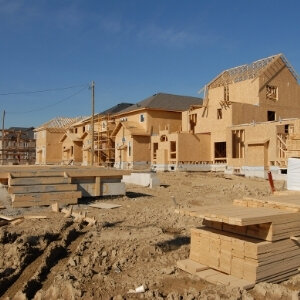
Homeowners everywhere are feeling this squeeze. Property records compiled by Benutech show 284,933 HOA liens filed nationally in 2025, up 8.6% from 262,446 in 2024, with Florida, Texas, and California leading. Those aren’t abstract numbers. Behind each one sits a family holding a letter they don’t know how to answer. Most of those homeowners still had HOA choices left.
New construction keeps feeding the trend. An NAHB read of Census data shows 65.7% of new single-family homes started in 2024 were built in a community or HOA, up from 51.8% in 2011. So the problem spreads. Plenty of buyers sign for an HOA-governed home without absorbing what the CC&Rs require them to pay, and with no plan for the year, those dues climb. Membership in those communities is mandatory, as outlined in the deed.
Vantaca, which builds software for association managers, has seen a rise in regular monthly assessments at 50.5% since 2020, more than double inflation. Condo owners have it worst. After the 2021 Surfside collapse, Florida’s structural reserve mandates pushed some buildings into six-figure per-unit assessments. For many households, the bill now reads like a second mortgage nobody budgeted for, and I’ve watched buyers back out of otherwise solid sales once that number surfaced. Those fees are now a homeownership cost.
Where you stand in the process decides which options you actually have. Current on dues but choking on them? You hold more leverage than someone already staring at a lien. Now is the moment to push the board or ask for a payment plan. Leverage shrinks once the process reaches the court-filing stage.
What Are HOA Fees and Why Do They Keep Going Up?
A homeowner bought a Dallas condo in 2020 with a $280 monthly HOA fee. By 2024, that fee had passed $420, and the HOA announced a special assessment for roof repairs on top of it. I keep seeing this pattern. Fees that looked fine at closing turn into something else a few years later, and the roof assessment is usually what breaks the budget.
HOA fees fund the daily and long-term costs of running shared property. Landscaping, pool upkeep, common-area repairs, insurance for shared structures, and contributions to a reserve fund for major future work all come out of that money. The CC&Rs, meaning covenants, conditions, and restrictions, are the binding documents that set what you owe and when. Read them before you close. Your CC&Rs and state law decide what the HOA can require of you.
Roughly 70% of community associations are underfunded, which leaves homeowners exposed to sudden special assessments. When a reserve runs dry, and a roof can’t wait, the board sends that bill straight to homeowners. It isn’t always mismanagement. Sometimes it’s aging infrastructure doing math, and I’ve watched the number land in the thousands per unit. Thin reserves warn that fees will jump across the community.
Insurance keeps shoving HOA costs upward. Newrez, analyzing about 1.2 million mortgage loans it services, found the average annual homeowner premium hit $2,625 at the end of 2025, up from $1,597 in 2021. That’s a 64% jump in four years. HOAs insure shared structures, too, and when those premiums spike, the annual budget swallows the difference. The cost lands in your monthly dues.
How HOA Fees Are Calculated and What They Cover
Median HOA dues nationally ran $757 a year in 2025, a 44% jump from the roughly $500 they had held for years, according to Vantaca. Condo fees in high-rise buildings with elevators, pools, and structural reserve duties sit well above that. Fees swing by community and by what the HOA maintains.
Each year, the board builds an annual budget projecting operating costs and reserve contributions. That total gets split across the units, and your share becomes your monthly bill. Management fees, landscaping contracts, utilities for common areas, insurance, repairs to shared property, and reserve allocations all contribute to the number. Homeowners have a legal right to see those numbers.
Do you know whether your community’s reserve is actually funded? Find out before the next renewal cycle, because a thin reserve is where surprise assessments are born. Ask for the most recent reserve study. Governing documents usually require one, and it will tell you whether a big bill is coming. Most governing documents require the HOA to hand it over.
Community associations billed homeowners $124.2 billion in assessments in 2025. The median special assessment that year hit $1,100, a record, and nearly one in ten HOAs levied one, up from 7.8% in 2021. HOA fees keep climbing, and that money leaves owners’ pockets each month.
Single-family HOA communities usually charge less because they maintain less. A condo HOA with an elevator, a pool, and a shared roof carries a longer repair list and bigger insurance exposure. Elevators alone are brutal to keep running. So the monthly number climbs. Fewer shared parts means fewer surprise repairs across the community.
Ways to Lower Your HOA Fees Without Legal Trouble

Can you push back on your HOA’s annual budget before the fees lock in? You can, and most homeowners never try.
Show up at the annual meeting where the board presents its proposed budget. You can ask questions, request documentation on line items, and vote. Think a vendor contract is overpriced, or that a repair estimate never went out to more than one contractor? Say so on the record. I’ve seen those numbers drop hard after that kind of pushback. Boards facing engaged homeowners decide differently from boards working in silence. You have a right to be in that room.
To formally appeal a fee or fine, write the board a letter explaining why the charge is wrong or unfair. Cite the specific sections of the governing documents that back you, and attach your evidence. An appeal citing the CC&Rs carries far more weight than a general complaint, so pull up the actual document before you write a word. A written appeal creates a paper trail for any later process.
Running for a board seat is underrated. Homeowners who sit on the board shape the annual budget, pick vendors, and set enforcement priorities. If your community has been run by people who rubber-stamp whatever the management company suggests, one or two engaged homeowner-members can change that. Lower fees start with better decisions.
Denied a waiver or a reduction? You may still have the right to appeal or request a formal hearing. Some states run their own dispute resolution process between homeowners and their HOA. Your state’s real estate regulatory office or a local HOA attorney can tell you what exists where you live. The board’s first answer isn’t always its last. Know your rights before that conversation.
HOA Fee Exemptions and Hardship Programs You May Qualify For
Plenty of homeowners assume their HOA won’t budge. Ask anyway, before you stop paying and late fees start piling up, because that assumption is often wrong.
Dues generally can’t be waived for good. Buying into an HOA meant agreeing to the CC&Rs, and those documents legally require you to pay. Still, most boards carry more room on temporary relief than they advertise.
Many HOAs have provisions for reduced or deferred payments when a homeowner hits real financial hardship: job loss, heavy medical bills, the death of a spouse, anything that guts your ability to pay. You apply directly to the board and submit documentation, usually unemployment filings, medical bills, or bank statements. Keep copies of everything you submit.
Some boards will defer collection for 30 to 90 days on documented hardship. Even where a full waiver is off the table, the board often has latitude to waive late fees and interest while the principal balance stays fixed.
Federal help has thinned out. The Homeowner Assistance Fund covered delinquent HOA dues in many states, but most of those programs have spent their money and closed, and the program will wind down at the end of September 2026. Check your state housing agency’s site for anything still open. A board’s fiduciary duty usually stops it from writing off what you owe the community. It doesn’t stop them from being reasonable about timing and penalties.
What Happens If You Stop Paying HOA Dues?
For a long time, I assumed HOAs would send a few letters and move on. They don’t. The escalation is real, structured, and faster than people expect.
Most HOAs start with routine collection efforts. When those produce nothing, the HOA may cut off your access to shared amenities, sue you for the balance, or record a lien against the property.
Silence doesn’t shrink the debt. Interest accrues on the unpaid balance, late fees accrue on the principal, and the moment an attorney enters, their fees are added to the total. The debt grows while you look away. A small debt quietly becomes a large one.
When money is tight, homeowners put the mortgage and the utilities first and let dues wait. In a hard month, that’s rational. Letting them slide for months without a word to the board is what turns a small problem into a lien. Ignored debt ends up in a foreclosure file.
Credit bureaus may get a report of the delinquency, too, depending on state law and your HOA’s collection policy. And a lien means you can’t refinance or sell cleanly until that debt is satisfied. That’s the point where a lot of owners north of Dallas start calling us, since we buy homes in McKinney, TX and handle the lien payoff at closing.
Late Fees, Liens, and How HOAs Can Foreclose on Your Home
A lien isn’t just paperwork. It can run all the way to foreclosure, sometimes over a balance that looks small on paper. Homeowners lose property over unpaid HOA fees they thought were minor. It helps to know how property liens work in Texas before you try to argue your way out of one.
HOAs do foreclose on liens, occasionally over modest sums, though several states set a floor first. California bars foreclosure on an assessment lien unless the delinquent assessments reach $1,800 or run more than 12 months behind.
The HOA collection process is documented and predictable: payment reminders, late fees, demand letters, payment plan offers, credit bureau reporting, lien filing, and, as the last step, foreclosure or a legal judgment.
In Nevada, Tennessee, and Washington, D.C., HOAs hold “super-priority” lien rights, meaning they can jump ahead of your mortgage lender when you fall behind on dues. ATTOM Data Solutions counted a 50% national rise in HOA-related foreclosures between 2022 and 2025, with Florida, Texas, and California being the most active. That quirk lets an HOA foreclosure outrun a mortgage default.
Notice rules matter here. California bars recording a lien until 30 days after the HOA mails a certified pre-lien notice, under Civil Code § 5660. Florida requires a written demand and 45 days to pay before an HOA files, under Fla. Stat. § 720.3085. An HOA that skips a required step may be open to challenge, which is why procedural errors are the first thing a real estate attorney looks for. Both states require written notice, and both timelines are strict.
Defenses That Can Stop or Delay an HOA Foreclosure
Ignoring a foreclosure notice because you plan to fight the fees later ranks among the costliest mistakes a homeowner can make. By the time you move, attorney fees alone may have doubled the original balance.
When an HOA starts foreclosure, you may have a defense if it overcharged you, imposed unreasonable fees, or failed to follow state law. Worth exploring with a real estate attorney before you accept the debt as settled. Many of the same protections apply to a lender’s case, so read up on how to stop a house foreclosure in Texas before you decide anything.
Procedural errors show up more often than you’d guess. Missing notices, a timeline that ignores the CC&Rs, and no internal chance to dispute charges before filing: any of those can be raised in court as legal defenses. Save every piece of correspondence you received, and note the dates.
Bankruptcy halts collection activity, including foreclosure. Filing triggers an automatic stay that immediately blocks the HOA from foreclosing during the process. That relief is usually temporary, since the HOA will likely seek permission from the bankruptcy court to continue. Chapter 7 wipes out certain unsecured debts, but dues that have become a lien on the home remain secured, and the lien travels with the title. An attorney who handles Chapter 7 in your state can spell out what’s dischargeable and what stays attached to the home.
Selling before the foreclosure finishes is another option. Southern Hills Home Buyers works with homeowners in this exact spot, where the clock runs, the balance grows, and a traditional listing won’t move fast enough. Selling to a direct buyer can clear the HOA debt at closing without you having to front the cash.
Your Right of Redemption After an HOA Foreclosure

Most articles stop at the foreclosure sale. They skip the part where losing a home this way isn’t always permanent. The redemption right is short-lived and easy to miss.
Several states, California and Texas among them, give homeowners a statutory right of redemption. It’s a limited window after the foreclosure sale during which you can buy back, or “redeem,” the property from whoever took it.
In California, a nonjudicial HOA foreclosure carries a 90-day right of redemption under Cal. Civ. Code § 5715. During that window, you can recover the property by paying the lien amount, plus costs, fees, and other allowable charges. State law also requires you to reimburse the buyer for repairs made to the property. Redemption rights give a homeowner one last shot at the property before the process closes.
Texas gives 180 days from the date the HOA mails a written notice of the sale, under Tex. Prop. Code § 209.011. For a Texas condominium, the window shrinks to 90 days under § 82.113. Your state may set a different period, or none at all, so confirm the rules with a local real estate attorney right after the sale. A company that buys houses in Garland, TX, can run the numbers with you in the meantime, so you know whether redeeming is realistic before the window shuts. A few weeks of waiting can close the door for good.
Deadlines set by the foreclosure sale govern redemption.
A landlord in Fort Worth, Texas, called me after his rental property went through HOA foreclosure while he was busy settling his parents into assisted living. By the time he pieced together what had happened, the redemption clock was already running. He got lucky. He had time left and enough equity to make the redemption math work. Homeowners without that equity often don’t. He kept the property because he moved fast.
If redemption isn’t financially feasible, Southern Hills Home Buyers has helped homeowners after a foreclosure sort out their remaining options and move forward, rather than letting the situation drag on. If you’re weighing cash house buyers in Arlington, TX, or anywhere else in the metro, ask each one how they handle an outstanding HOA lien at closing.
Frequently Asked Questions
Can an HOA Evict You for Not Paying Dues?
An HOA cannot evict you the way a landlord evicts a tenant. The HOA can record a lien on your property for unpaid dues. Left unresolved, that lien can be foreclosed through a legal process that ends with you losing the home. Slower and more structured than eviction, sure, but the result can be just as serious if you don’t act.
What Happens If I Refuse to Pay My HOA Fees?
Refusing sets off a predictable escalation. Late fees and interest begin accruing, demand letters arrive, amenity access may be suspended, and the HOA can report the debt, record a lien on your property, and eventually pursue foreclosure. Ignoring it doesn’t shrink the debt; each layer of fees and attorney costs only makes it bigger. Talking to the board early leaves you far more room than silence does. Your options shrink with every month the fees go unpaid.
Will HOA Fees Ever Go Away?
Not while you own property inside an HOA-governed community. The obligation attaches to ownership itself, not to a personal preference or a contract you can exit. Your only permanent exits are selling the property or going through a legal process to dissolve the HOA, which requires a vote of the homeowners and rarely happens. When the fees are no longer affordable, selling is usually the practical way out.
How to Get Rid of an HOA in Texas?
Texas has no statute laying out how to dissolve a property owners’ association, so the dedicatory instruments control the process. Most Texas associations are incorporated as nonprofits, which puts dissolution under Chapter 22 of the Texas Business Organizations Code. The board proposes it, the members vote, and your declaration and bylaws set the threshold. Condominium terminations are governed by Tex. Prop. Code § 82.068 and follow their own rules. Termination takes 100 percent of the votes plus every lienholder, unless the declaration sets a lower bar. For residential-only buildings, that bar cannot fall below 80 percent. Either way, you still have to handle shared property, outstanding debts, and the maintenance the HOA was covering, so a Texas HOA attorney is the right first call. Most HOAs never get dissolved. They get reformed from the inside when enough homeowners show up.
Carrying HOA debt and trying to work out what comes next, whether that’s a payment plan, an appeal, or selling the home to put this behind you? The team at Southern Hills Home Buyers is a good place to start. You can contact us and lay out where things stand. No pressure, no obligation. Just a real conversation about your options.
Helpful Texas Blog Articles
- Can a Hospital Put a Lien On Your House?
- How To Sell Your House On Facebook Marketplace
- Selling a Fire Damaged House in Texas
- How to Sell House and Move Out of State
- Tenant Damage to Property
- How to Sell a House on Craigslist in Texas
- Fire Damage Restoration Companies Available in Texas
- How Much Equity Do I Need to Sell My House in Texas
- How to Avoid Closing Costs in Texas
- Selling a Storm Damage House in Texas
- How to Get Out of Paying HOA Dues
- Can You Sue A Home Inspector