![Sell a Storm-Damaged Home in [market_city]](https://image-cdn.carrot.com/eyJidWNrZXQiOiJwcm9kdWN0aW9uLmNhcnJvdC11cGxvYWRzLm9uY2Fycm90LmNvbSIsImtleSI6InVwbG9hZHMvc2l0ZXMvMjEyODQvMjAyNi8wOS9TZWxsLWEtU3Rvcm0tRGFtYWdlZC1Ib21lLmpwZyIsImVkaXRzIjp7InJlc2l6ZSI6eyJ3aWR0aCI6MTE1Mn0sInRvRm9ybWF0Ijoid2VicCIsIndlYnAiOnsicXVhbGl0eSI6NzB9fX0=)

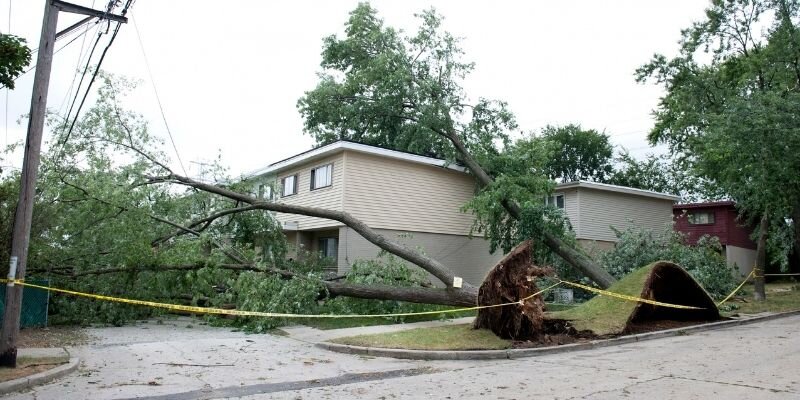
A roof missing a third of its shingles. Gutters hanging by one bracket after a tropical storm. Water stains on every ceiling. And a closing date that won’t move. Plenty of Texas homeowners land in that spot, and the advice they get is either too vague to use or too costly to afford. Sometimes both at once. Storm damage doesn’t have one fix, and the right move depends on how much time you actually have.
What Texas Storm Damage Actually Means for Sellers
For years, I thought storm-damaged properties were just discount houses. Price it low, put it on the MLS, and someone bites. Wrong. Storm damage can set off a chain reaction across inspections, insurance, financing, and disclosure at the same time. That’s the real problem, not the price, and most sellers don’t see them all coming.
A few years back, I worked with a family out of Katy. The husband got a job transfer mid-January, and they had five weeks to be out. Hail damage had hit the house the previous spring. Dented gutters, cracked shingles on the south-facing slope, and a garage door that wouldn’t seal. They’d never filed a claim. Within 48 hours, they had a cash offer that let them close before the move date. They skipped repairs, contractor bids, and the wait for an insurance adjuster. One thing counted: we knew just what we were buying, disclosed upfront, nothing hidden. Sellers who hide damage don’t get that speed. They get delays, haggling, and a sale that falls apart at inspection.
The weather here doesn’t give anyone a pass. Hurricanes, tropical storms, hail the size of golf balls across the DFW Metroplex, flooding that reaches neighborhoods dry for decades. These aren’t freak events anymore; they’re the background noise of owning property in Texas.
Does Storm Damage in Texas Make a House Harder to Sell?
Plenty of sellers push back on this. “My neighbor sold his flooded house just fine.” Maybe. Your neighbor probably got lucky with a cash buyer, priced aggressively enough to offset the risk, or closed before the lender figured out what it was financing. Government-backed loans through FHA or VA routinely require repairs first. A roof with missing shingles or visible structural wind damage can kill a financed sale in underwriting.
In June 2026, Texas homes sold at a median price of $342,900, and the median days on market sat at 62 days. Carrying a storm-damaged property for that long is a real burden. It gets worse if rain still gets in around compromised flashing or through cracked siding. Each week on the market is another utility bill, another mortgage payment, another shot at a second storm. Texas gets plenty of those. Insurance gets harder, too. Some carriers won’t write a new policy on a property with an open roof claim, and a buyer who can’t get insured can’t close.
As of June 2026, active listings in Texas sat at roughly 153,800. That’s firmly a buyer’s market, and buyers know it. Storm damage, even minor hail damage to the roof, is one of the fastest ways to lose a buyer who has 40 other listings to consider. You aren’t stuck, but you do have to look clearly at which path fits your situation.
What Counts as Storm Damage When You’re Trying to Sell in Texas

Most sellers picture roof damage and broken windows. That covers about half of it. Wind gusts push water under doors and into walls, and the slow rot doesn’t show for months. Hail doesn’t just break shingles; it granulates the surface coating, and once that’s gone, the underlying mat goes fast. Flooding leaves mineral deposits inside walls long after the drywall looks dry. A tree that grazes the roofline can shift the ridge boards. I’ve seen that on properties that looked fine from the street, and no amount of fresh paint hides it from a home inspector.
Texas disclosure rules cover foundation, roof, plumbing, electrical, and HVAC issues. Wildfires, hailstorms, and foundation problems caused by drought all require disclosure, too. Foundation cracks from soil expansion count as storm-adjacent damage, and buyers’ agents know to look. That’s most true in Houston’s Meyerland and Westbury neighborhoods, where clay soils shift hard after dry spells followed by rain. I’ve watched slabs move inches in a single season.
Sellers get one thing wrong over and over. Flood damage to HVAC systems. A unit that sat in six inches of water may run another year before the electrical components corrode and fail. You could be handing a buyer a repair bill you never knew about. Replacing the whole system runs into real money, and a buyer who finds out later has every reason to feel misled. A buyer’s inspector will flag it. Budget for that conversation.
What Texas Law Says You Have to Disclose to Buyers
A seller came to me after her sale collapsed during the option period. She’d bought the property after Hurricane Harvey hit her Friendswood neighborhood, fixed the visible damage herself, and thought it was behind her. The buyer’s inspector found moisture readings in two walls, and the disclosure form said no known flooding. That transaction died, and she had real legal exposure on top of it.
Texas Property Code Section 5.008 requires disclosure on most previously occupied single-family home sales. The standard TREC form covers roughly 20 categories, from structural issues and roof age through flooding history and environmental hazards. You fill it out based on what you know. “I didn’t know” is a thin defense when a claims history report shows three prior insurance claims.
Every homeowner’s insurance claim filed on a property lands in the Comprehensive Loss Underwriting Exchange (CLUE) database. Buyers and their insurers can pull that report. Hiding past damage isn’t just wrong. It’s not smart strategically. Texas also makes you hand over any certificate of mold damage remediation issued in the five years before the sale, under Texas Occupations Code Section 1958.154. Any post-storm work on water-damaged walls can put you in that group.
Old Storm Damage You Never Fixed, Does It Change Your Options?

A seller who patched a wind-torn soffit with roofing tape three years ago sits in a very different position than one who hired a licensed contractor and kept the invoice. Both can sell. The difference shows up in how the price gets set and which buyer pool is realistic. Financed buyers with FHA or VA loans evaporate fast when repairs aren’t documented.
Unrepaired storm damage essentially prices out financed buyers. FHA appraisers are trained to flag roof conditions, water intrusion, and structural issues. If your roof has missing or curled shingles from a wind event two years back, the appraisal will require repairs before the loan can close. That leaves three realistic paths. Repair first and wait for the market, negotiate a repair credit with a conventional buyer, or sell to a cash buyer who doesn’t need bank approval. I’ve watched sellers spend eight weeks repairing a storm-damaged property, then lose the buyer because the contractor’s work failed re-inspection. That’s a longer delay than selling as-is would have been.
If you want a straight opinion, unrepaired damage older than two years usually costs sellers more in price cuts and carrying costs than a fast cash sale would have.
Should You File an Insurance Claim Before You List the House?
Filing a claim, collecting a check, and then selling. Sometimes that works. It’s more complicated than the question makes it sound.
Some Texas insurers require notification within 90 to 180 days of a weather event, while others allow up to one year. These deadlines are legally enforceable, and missing one gives the insurer grounds to deny the claim. Read your policy first. Texas Insurance Code Section 542A.003 sets a separate rule for lawsuits. You have to give your insurer written notice at least 61 days before you sue over a denied or underpaid claim. That rule does not extend your policy’s own reporting deadline. Adjusters also have a hard time tying old roof damage to a specific weather event, though, especially after a second storm rolls through.
Filing also raises your premium and lands on the CLUE report that future buyers and their insurers will pull. If the damage is minor and you plan to sell as-is to a cash buyer anyway, the claim adds friction without adding value. A local roofing contractor who works with adjusters can tell you whether the damage clears your deductible before you start the paperwork. I’ve seen that one conversation save weeks. Check with Southern Hills Home Buyers if you’re unsure whether repairing or selling as-is pencils out better. We know storm-damage scenarios across the Texas market.
Your Real Options for Selling a Storm-Damaged House in Texas

Listing as-is on the MLS isn’t your only path. For a lot of sellers, it isn’t even the best one.
Three real options exist. Repair and list traditionally. List as-is through an agent and take the discount at market pace. Or sell directly to a cash buyer like Southern Hills Home Buyers and close in days instead of months. Repairing first opens the widest buyer pool, but you carry repair costs plus holding costs while the work drags. A listed property sits on the market while you keep paying the mortgage, the insurance, and the utilities. Listing as-is traditionally means buyers negotiate hard on price and may still back out after inspection. I’ve watched a sale unravel at that stage. Selling directly trades some top-line price for certainty, speed, and zero repair costs.
One thing usually gets left out: repair credits. Agents often push sellers to offer a credit at closing instead of fixing the damage. In practice, lenders won’t allow large credits on damaged properties. Buyers using those credits still have to run the repair project themselves after closing, and that makes plenty of them nervous enough to walk. A cash buyer prices the repair work into the offer instead of handing you a punch list. If the numbers don’t work on repairs, you can sell your home for cash in Texas and skip the contractor stage entirely.
How the As-Is Sale Process Works for Storm-Damaged Homes
In 2025, 88,634 Houston-area single-family homes changed hands. A meaningful slice of properties with deferred maintenance or storm damage was sold directly to investors and cash buyers. That is a big part of why we buy houses in Houston in whatever shape a storm leaves them. The process is simpler than most sellers expect.
A reputable cash buyer visits the property, sizes it up in its current condition, and makes an offer within a day or two. No inspection contingencies, no repair demands, and nothing the lender requires you to fix first. Closing takes two to three weeks, and you’ll still complete a seller’s disclosure. The difference is that a sophisticated cash buyer already prices in the known damage, so the disclosure rarely derails a sale the way it can with retail buyers who panic at each line item.
One landlord in the Allandale neighborhood of Austin called us on a Thursday. A storm had split a large oak through the back porch roof of his rental house. Tenants gone, insurance in dispute, and the second mortgage payment had come out twice, with no rental income behind it. We closed in 18 days. The garage still held the tenants’ abandoned bicycles. We handled it. That’s what a real as-is sale looks like: the buyer takes the property as it sits, problems and all, and the seller walks away without managing a single repair contractor.
If you’re weighing options on a storm-damaged property in Texas, the team at Southern Hills Home Buyers works with sellers like you every week. No agents, no repair lists, no surprises at the closing table. We buy houses in Plano and across Collin County, storm damage included.
Frequently Asked Questions
How Long After Storm Damage Can I File a Homeowners Insurance Claim?
Your policy’s internal notice of loss deadline controls when you have to report the damage, and that window varies by carrier. Some insurers require notification within 90 to 180 days of the event, while others may allow up to one year after the damage occurs. Read your own policy instead of assuming you have a full year. If you eventually need to sue your insurer over a denied or underpaid claim, a separate two-year deadline applies under Texas law, so talk to an attorney before that window closes.
Do You Have to Disclose Flooding When Selling a House in Texas?
Yes, and there’s no workaround. Texas requires sellers to disclose detailed information about flood risk and flood history. That includes whether the property sits in a federally designated flood hazard zone, has suffered flood damage, and has had any prior flood insurance claims. Selling as-is to a cash buyer doesn’t erase the legal obligation to disclose what you know. It just means the buyer is better equipped to price the risk than a retail homebuyer might be.
Who Pays for Storm Damage to a House?
Your homeowners’ insurance policy is the first stop, subject to your deductible and whatever the policy covers. Post-Hurricane Harvey legislation requires sellers to disclose additional FEMA-based flood risk classifications. Flood zone status can affect whether a future buyer’s lender requires flood insurance. If the damage happened while a tenant lived there, renters’ insurance or liability questions may come into play, too. Your insurer, a public adjuster, or a licensed roofing contractor familiar with insurance claims can walk you through what your policy covers.
How Long Do You Have to File a Property Damage Claim in Texas?
It depends on whether you mean reporting to your insurer or filing a lawsuit. For reporting, your policy sets the deadline, and it can run as short as 90 days. Texas has a two-year statute of limitations for suing if you need to dispute your insurer’s decision in court. That two-year window does not replace your insurer’s shorter reporting deadline. Act fast after any storm. Document the damage with photos the same day if you can, and don’t assume the longer legal deadline buys you extra time to notify your carrier.
Selling a storm-damaged house in Texas doesn’t have to mean losing months of income and still walking away short. If you want to talk through your options, we’re here. No pressure, no obligation, just a straight conversation about what makes sense for your property and your situation. Reach out to Southern Hills Home Buyers whenever you’re ready.
Helpful Texas Blog Articles
- Can a Hospital Put a Lien On Your House?
- How To Sell Your House On Facebook Marketplace
- Selling a Fire Damaged House in Texas
- How to Sell House and Move Out of State
- Tenant Damage to Property
- How to Sell a House on Craigslist in Texas
- Fire Damage Restoration Companies Available in Texas
- How Much Equity Do I Need to Sell My House in Texas
- How to Avoid Closing Costs in Texas
- Selling a Storm Damage House in Texas
- How to Get Out of Paying HOA Dues
- Can You Sue A Home Inspector