
You moved in on a Tuesday. By Friday, you’d found a foundation crack that clearly wasn’t new, a bathroom fan venting straight into the attic, and soft spots in the kitchen floor. The report said the house was fine.
Now you’re staring at repair estimates that make your stomach hurt. Can you sue a home inspector who cleared all of it?
Sometimes, yes. The full answer gets complicated fast, and most homeowners only learn how complicated it is once they’re in it.
What You Need to Know Before Pursuing a Home Inspector

Most home inspectors do the job honestly. They walk a property for two to three hours, write down what they can see and reach, then hand you a report. Trouble is, “what they can see” has hard limits, and those limits are set by the contract you signed.
A home inspection is a non-invasive visual exam of the accessible parts of a house, flagging defects the inspector observes and considers material. “Visual” and “accessible” become a home inspector’s best defense in court.
You can sue in civil court for negligence, breach of contract, misrepresentation, or breach of warranty. Each route asks you to prove something different, so figure out which fits before you call an attorney.
Here’s what trips people up. Missing a defect isn’t always negligence. An inspector who didn’t spot a crack behind a finished wall stands in a very different position from one who skipped the crawlspace. The first is an honest limit. The second may breach the professional standard and your contract.
Most states license home inspectors, though a fair number still don’t. Where licensing exists, a regulatory board can pull credentials for negligent work. That’s a second path with no courthouse attached.
I’ve bought a lot of houses around Dallas and sat with sellers who learned after closing that an inspection missed something serious. The strongest cases point to something a competent inspector should have caught. Plenty of them also want to know whether the seller is responsible for repairs after closing in Texas, since that’s a separate question from what the inspector owes you.
How Real Estate Agents Influence Which Home Inspector You Hire
A seller in Garland called us a couple of years back, looking for a company that buys houses in Garland, TX. She had five weeks to be out of state. The weekend before closing, her buyers found a rotted subfloor and a slow leak that their inspector had cleared. Unwinding the sale by then would mean a legal fight nobody could afford.
Nobody had mentioned that the buyer’s agent recommended that home inspector. That isn’t wrong on its face, though it’s a conflict worth naming. An agent who feeds the same inspector steady work has a relationship with both sides of your sale. Inspectors who want to stay on that list have a quiet reason to keep things together rather than blow them up.
Agents can suggest names. You’re free to hire somebody else, and plenty of buyers never realize it.
ASHI and InterNACHI are the two big certification bodies, each with its own training path. An inspector carrying credentials from either gives you a published benchmark, and that benchmark matters if a court has to decide whether the inspection measured up.
Find your own home inspector before you’re under contract. Otherwise, you’re scrambling inside a one or two-week window while your agent nudges you toward a favorite.
How to Find a Home Inspector You Can Trust
A standard inspection runs $300 to $500, with the national average around $344. That fee is the least important thing about the person you’re hiring. Training, professional affiliation, and how clearly they explain things matter far more.
Ask whether they carry errors and omissions insurance before you book. An inspector who carries it has skin in the game, and you have somebody solvent to pursue if things go sideways. One without it hands you their risk for free.
Read a sample report first. Good ones name the component, describe its condition, and recommend a specialist when something sits outside a visual inspection. Bad ones are checked boxes.
When we help a homeowner decide between listing and selling as-is, our first question is what the inspection turned up. At Southern Hills Home Buyers, we’ve watched sales collapse because a buyer didn’t trust the report, and we’ve watched sellers get hit with repair demands built on a rushed walkthrough.
Red Flags That Signal a Bad Home Inspector
Two to three hours is normal for a 2,000-square-foot house. Forty-five minutes is a warning. Speed is the clearest sign that corners got cut.
Watch for anyone who doesn’t want you following along. A good home inspector welcomes you and explains what they’re looking for as they inspect. Working alone and emailing a report later keeps information from you that you paid for.
Format matters too. Failing to accurately report a property’s condition, including failing to inspect thoroughly enough to reveal defects, can be the basis for a claim. If the written report doesn’t match what you heard on the walkthrough, that’s a problem.
Then there’s the home inspector who answers every borderline finding with “monitor this” instead of naming a specialist. Some things really do just need watching. Soft drywall near a plumbing stack doesn’t. Vague recommendations protect the inspector, not you.
What Does a Home Inspector Look For?
What an inspector is supposed to find decides whether a miss was negligence or simply outside the job.
A standard inspection covers the visible, accessible parts of the structure and its major systems. That means roof, foundation, drainage, attic insulation and ventilation, electrical panel and visible wiring, plumbing, water heater, HVAC, and interior surfaces. You and the inspector can modify that scope beforehand. Add-ons like radon testing or a sewer scope cost extra.
Professionally, a home inspector answers to the published standard of practice of whatever organization they belong to. Courts in some states weigh the ASHI Standards of Practice and Code of Ethics when deciding whether an inspection met requirements. Your attorney will hold the inspector’s work to the standard that was demanded.
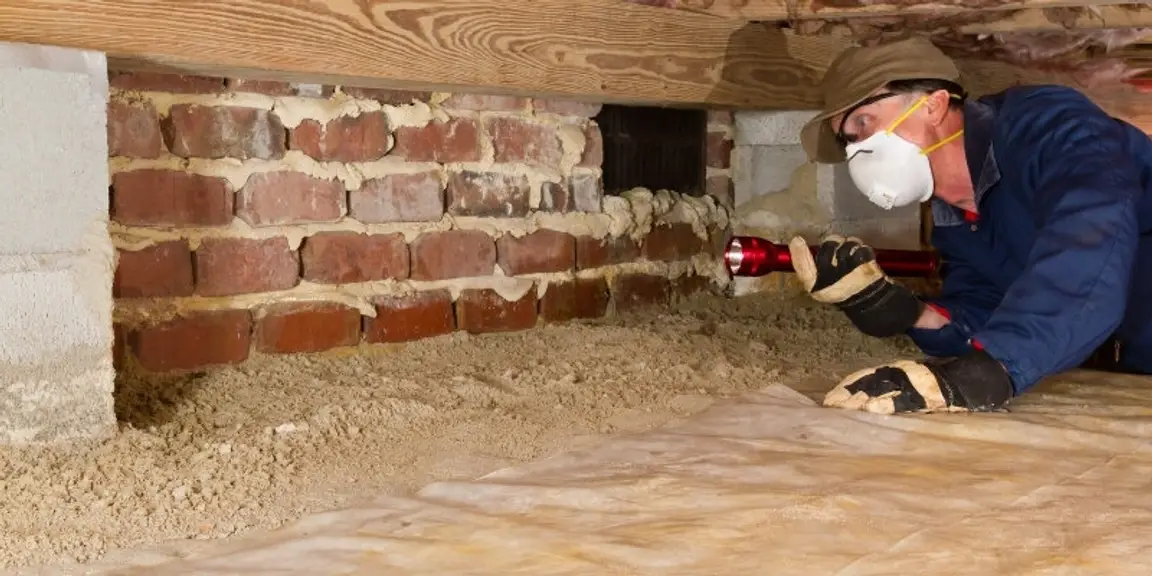
Access drives everything else. A finished-out garage hides framing. Furniture stacked along a wall hides the wall. Good inspectors write down every limit and say exactly what they couldn’t reach. If yours didn’t, that omission deserves a hard look.
What Home Inspectors Are Not Required to Find
Some defects hide where nobody can see them. Mold inside a wall cavity is the classic example.
Inspectors aren’t required to find what they can’t see. Mold behind drywall, termite damage inside a wall cavity, cast iron pipe failing ten feet past the access point. None of that is automatically the inspector’s miss.
ASHI’s standard flatly excludes recalled appliances. The home inspector isn’t required to determine whether items, materials, conditions, and components are subject to recall, litigation, product liability, or other adverse claims (ASHI SoP section 13.2(A)(17)).
Environmental hazards sit outside the job, too. Asbestos, lead paint, and buried oil tanks are excluded unless you contract and pay for that testing. Nobody has to move furniture, lift carpet, or run a system that isn’t working that day.
A material defect isn’t chipped paint in the garage. It’s termites or a failing roof. The line between a latent defect that’s truly hidden and a visible one the inspector walked past is the whole ballgame in most home inspection lawsuits. Visible and unreported is where inspectors land in real trouble.
Can You Sue a Home Inspector for Missing Something?
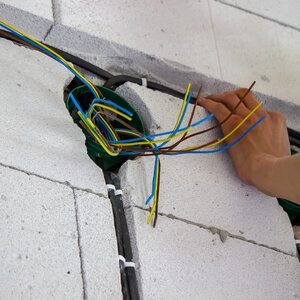
A buyer in Fort Worth closed in the spring. Six months later, a contractor opened a wall and found knob-and-tube wiring running through half the house, hidden behind drywall finished recently enough that somebody probably knew about it. The report showed the panel and the words “no deficiencies noted.”
Yes, you can sue a home inspector. Three causes of action apply: negligence, breach of contract, and misrepresentation. Filing a lawsuit and winning one are different projects.
Professional negligence gives you the strongest case. You have to show the inspector owed you a duty of care, breached it by falling below a professional standard, caused your harm, and left measurable damage. All four elements have to land.
Breach of contract may still work when negligence is out of reach. That route gets useful when the pre-inspection agreement named a system the inspector then skipped or never documented.
You can’t sue over cosmetic issues or over damage that might happen later. The problem has to be real and present. When the repair bill runs past anything a claim would return, it helps to know what it takes to sell a house that failed inspection in Texas.
When Is a Home Inspector Legally Liable for a Missed Defect?
Most people assume a missed defect means the home inspector owes the full repair bill. Legally, that’s rarely how it lands.
Most inspection contracts bury a limitation-of-liability clause in the fine print. Inspectors often avoid full liability that way and owe only a refund of the fee. A $15,000 roof claim can shrink to a $400 refund.
Those clauses aren’t bulletproof. Courts have refused to enforce them against gross negligence or fraudulent concealment, which leaves the cap meaning very little when the conduct was bad enough.
Liability is cleanest when three things line up. The defect was visible and accessible, the inspector’s own published standard required checking it, and the report said nothing. One real errors-and-omissions claim went that way. A detached garage had a foundation wall that turned out to be boards holding back loose gravel, with repairs estimated at over $30,000. The inspector argued the detached garage sat outside his scope. ASHI’s standard, as outlined in its own agreement, includes detached garages. He was liable.
Lose a lawsuit like that, and a home inspector can owe the repair cost, the fee, or more. In licensing states, the license goes on the line, too.
How Errors and Omissions Insurance Protects Home Inspectors
I used to think E&O insurance mostly covered careless inspectors. It does. It also protects homeowners, because it means there’s money on the table to settle with.
Home inspectors pay about $82 a month, or $989 a year, for errors and omissions insurance, and a typical policy carries a $1 million per occurrence limit. That’s a real ceiling for a legitimate claim. An inspector with no coverage is somebody you might beat in court and never collect from.
Roughly a third of states require home inspectors to carry professional liability insurance. If your inspector can’t show proof in one of those states, that’s a red flag, and possibly a licensing violation your state board wants to hear about.
More than half of home inspectors face at least one claim during their careers. Their insurers report that roughly 80 percent of those claims turn out exaggerated or meritless. Disputes are common. Winning one is not. Homeowners who’d rather not bet on those odds sometimes skip the claim, and we buy houses in Mesquite, TX without asking anyone to fix what the report missed.
Once the policy is activated, the carrier’s attorneys handle the defense. That’s a well-funded opponent built to pay out as little as possible. Hire your own real estate attorney before you send a demand letter.
How Long Do You Have to Sue a Home Inspector?
Wait long enough, and the right to sue is gone.
Deadlines depend on your state and on what you’re claiming. Negligence claims often have a 2-year statute of limitations, contract claims longer, and a few states have written a hard limit into law specifically for inspectors. No national statute of limitations covers this.
Many inspection contracts shorten the window to 1 year from the inspection date, and courts have enforced them. Georgia’s Supreme Court did so in June 2024, in Omstead v. BPG Inspection. A retaining wall collapsed and killed a homeowner more than a year after the inspection. The court held the clause enforceable and barred the wrongful death claim.
Pennsylvania goes further. The Supreme Court confirmed in October 2025 that Section 7512 of the state’s Home Inspection Law is a statute of repose, not a statute of limitations. Any claim arising from an inspection report must be filed within 1 year of delivery, and the discovery rule doesn’t pause the clock. Find the problem two years later, and the clock had already run out.
Some states do let the discovery rule extend your window, so the clock starts when you found the defect. A few extend it further if the inspector deliberately hid the problem. Don’t assume either applies to you.
What to Do Before You Take Legal Action Against a Home Inspector
Skip this step, and your attorney gets a case built on sand. Pull out the inspection report and read it front to back, looking for mistakes. You’ll probably find some.
Document what you’ve found since move-in. Timestamped photos, notes on where each problem sits and how bad it looks, and any repair estimates in hand. Courts want specifics, not your memory.
Get a second home inspector to look independently. Many will review the original report for a small fee, and an opinion that backs you up strengthens the claim before you file. That opinion becomes expert testimony if the case reaches litigation.
Then bring in a real estate attorney to draft the demand letter and properly file the claim. That letter sometimes ends the matter, especially when the E&O carrier decides that settling beats fighting. Southern Hills Home Buyers has walked homeowners through this, and the pattern holds. Sellers who document early keep the most options open.
When You Need a Lawyer to Handle a Home Inspector Dispute
A real estate attorney here isn’t a luxury. Usually, it’s the difference between collecting damages and collecting nothing.
Attorneys who specialize in protecting inspectors wrote most inspection contracts. The liability caps, the shortened deadlines, the arbitration requirements: none of it landed there by accident. Countering them without somebody who knows property litigation is a long shot.
Several legal theories can support a lawsuit, including negligence or professional malpractice, where the home inspector strayed from the standard of care.
Small claims court handles lower-dollar disputes without an attorney. Limits vary a lot, from $2,500 in Kentucky to $25,000 in Delaware and Tennessee, with most states between $5,000 and $15,000. If your repair bills fit under your state’s cap, small claims works.
Ask how many home inspector cases the attorney has handled, how many were settled versus went to trial, and how they charge. Some work on contingency when the facts are strong.
Sometimes winning costs more than the win is worth. Selling as-is to a buyer you trust can be the better call, in money and in peace, even with a real claim in hand. Sellers who go that route often call cash house buyers in Arlington, TX, and elsewhere around the metroplex rather than wait on a court date.
What Happens When You File a Legal Claim Against a Home Inspector?

Filing is the easy part. What follows is where people get it wrong.
Once the lawsuit lands, the home inspector’s E&O carrier quickly assigns defense counsel. That insurance covers defense costs, settlements, and judgments tied to errors, omissions, or negligence. Your inspector has a lawyer within days, funded by a company built to minimize payouts.
Expect the defense to attack every element. They’ll say the defect wasn’t visible on inspection day, that the liability clause caps exposure at the fee, or that your deadline already passed. An arbitration clause lets them push the whole thing out of court, and arbitration favors repeat players. Here, the repeat player is the insurer.
Cases settle cleanest when the missed defect was visible, the report is silent about it, and repair costs run past whatever the clause caps. Carriers write checks rather than try those. Murkier evidence means a longer fight, and you can burn the repair budget arguing over who owes it.
Frequently Asked Questions
How Long Can a Home Inspector Be Held Liable?
That depends on your state’s law and the contract you signed. Some states measure from the inspection date, others from the day you discovered the problem, and the deadline shifts with the type of claim. Many contracts shorten the window to one year, and courts in Georgia and Pennsylvania have enforced those deadlines against homeowners. Pennsylvania’s run from the day the report was delivered and can’t be extended. Talk to a real estate attorney before you assume there’s still time to file.
What Qualifies as a Failed Home Inspection?
No industry definition exists, as it does for a failed plumbing test. If an inspector writes a report that’s inaccurate, incomplete, or misleading, the person relying on it may have grounds to sue. In practice, an inspection failed you when it missed a visible, accessible defect that a competent inspector should have written up and that you later paid to repair.
Which Actions Are Most Likely to Be Considered an Ethical Breach by a Home Inspector?
Deliberate misrepresentation tops the list. An inspector has a duty to write a report that isn’t misleading or misstates the condition of a house. Beyond outright fraud, ethical breaches include accepting referral fees that compromise objectivity, inspecting a property in which they have a financial interest, and omitting areas that fall within the agreed scope.
How Do You File a Complaint Against a Home Inspector?
Start with your state’s regulatory board if your state licenses inspectors. A board can suspend or revoke a license over negligent work, a real penalty that costs you nothing but time. You can also file with ASHI or InterNACHI when the inspector holds their credentials, since both run ethics reviews. For money damages, a demand letter through a real estate attorney comes next, then small claims or civil court.
Your Options After a Missed Defect
If you’ve found problems since closing and you’re weighing whether to chase the inspector, go back to the seller, or just sell and move on, contact us. We’re happy to talk it through. No pressure, no obligation. Reach out to Southern Hills Home Buyers, and we’ll give you a straight read on your options.
Helpful Texas Blog Articles
- Can a Hospital Put a Lien On Your House?
- How To Sell Your House On Facebook Marketplace
- Selling a Fire Damaged House in Texas
- How to Sell House and Move Out of State
- Tenant Damage to Property
- How to Sell a House on Craigslist in Texas
- Fire Damage Restoration Companies Available in Texas
- How Much Equity Do I Need to Sell My House in Texas
- How to Avoid Closing Costs in Texas
- Selling a Storm Damage House in Texas
- How to Get Out of Paying HOA Dues
- Can You Sue A Home Inspector